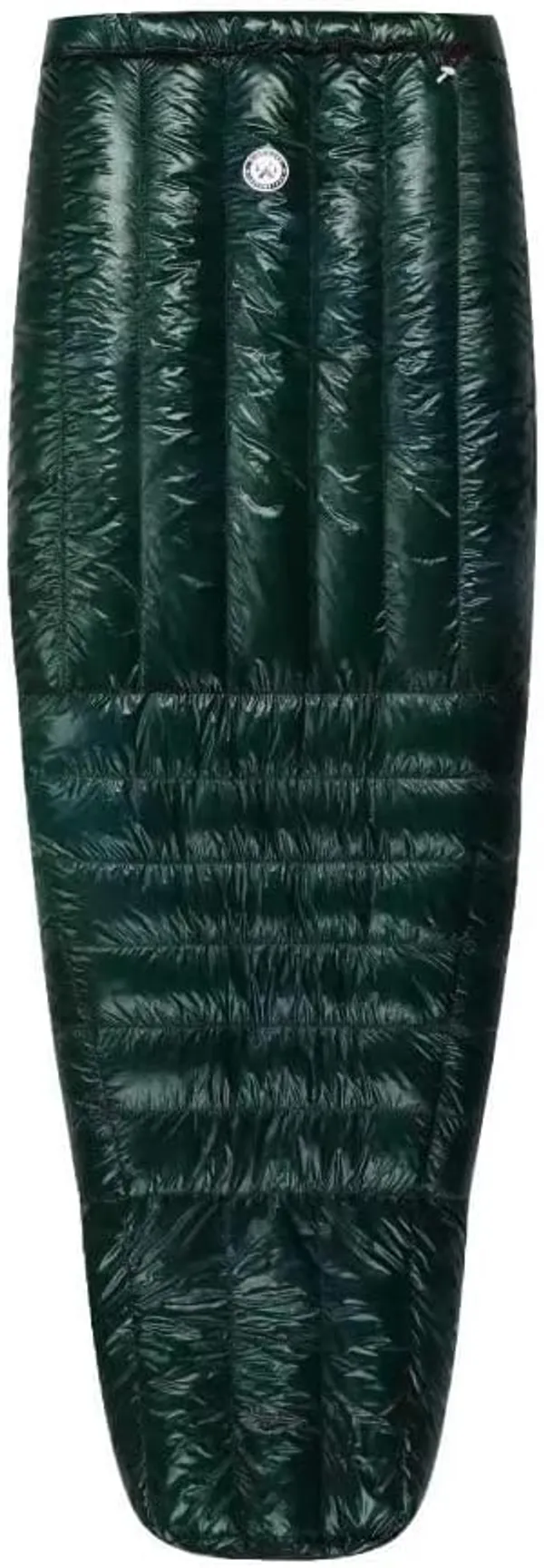
Sleep Systems
Aegismax Wind Hard Twilight vs Naturehike CW400
A 509 g 800FP quilt against a roomy 650FP bag about a third cheaper. Compared on warmth per gram, season range, shell, drafts and price.

Research & editorial
GravelPacker is a research desk, not a test lab. We read the spec sheets, the long-run owner reports and the forum threads where things break, then score what survives that reading against a rubric we publish. We say so plainly because a review you can check is worth more than one you have to trust.
A 509 g 800FP quilt against a roomy 650FP bag about a third cheaper. Compared on warmth per gram, season range, shell, drafts and price.
Twenty minutes the night before catches most of what strands people. What to check, in what order, and the three things worth doing a week ahead instead.

The three things that actually matter for hygiene on the bike, what causes saddle sores, and a wash kit that weighs about 260 grams.
What to do when a spoke goes 60 km from anywhere: stop the wheel rubbing, true it roughly by feel, and know when to stop riding it.
Your core stays warm and your extremities do not. What actually works for hands and feet on a wet multi-day trip, and what is a waste of money.
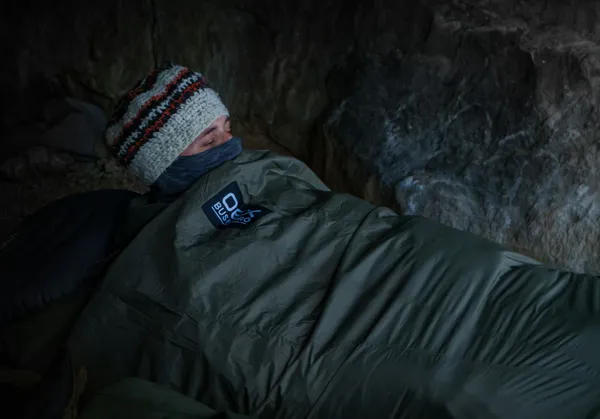
What a wet down quilt actually costs you overnight, how to dry one on the bike with no sun, and the point at which you should have brought synthetic.
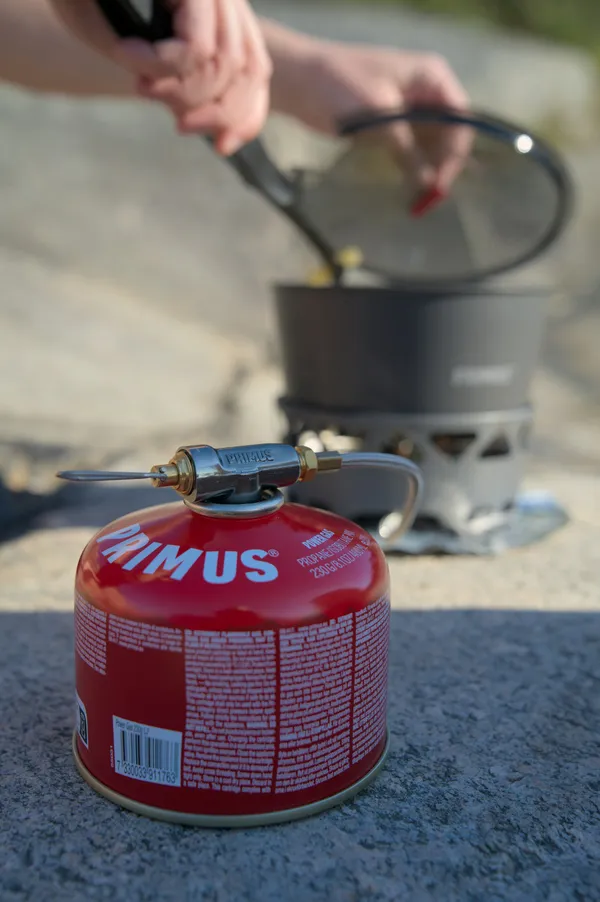
Why a gas canister loses power below 5°C, what actually restores it in the field, and which of the popular tricks is a good way to start a fire.
Your water tastes like a shower curtain because something is growing in the hose. Here is the field clean, the deep clean, and how to stop it coming back.
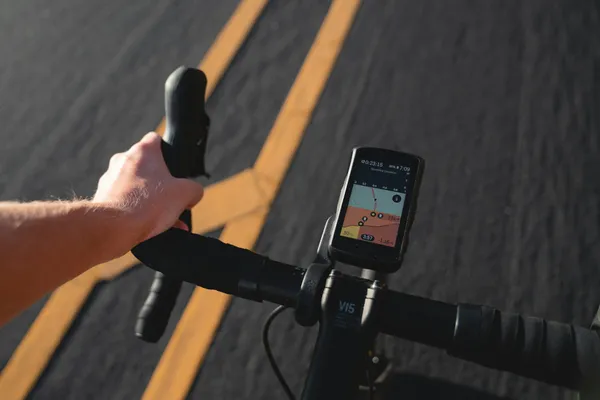
Across the head units we have scored, battery life runs opposite to price — the $110 unit lasts 20 hours and the $400 one lasts 17. For bikepacking that inverts the buying advice.
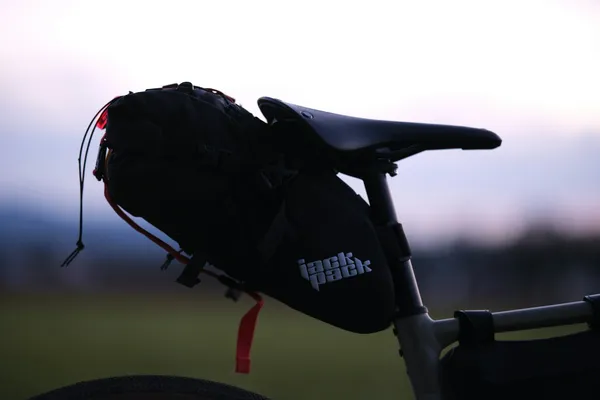
10L, 14L, 17L — bag capacity numbers mean less than they appear to. Here is how much volume a real setup needs, where it should sit, and why the biggest seat pack is rarely the right one.
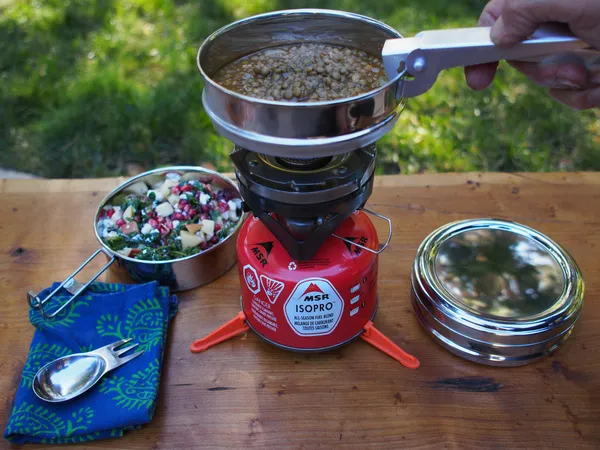
Most riders carry too much food and too little of the right kind. Here is how to plan resupply around the route, what actually earns its weight, and when a stove is worth carrying at all.
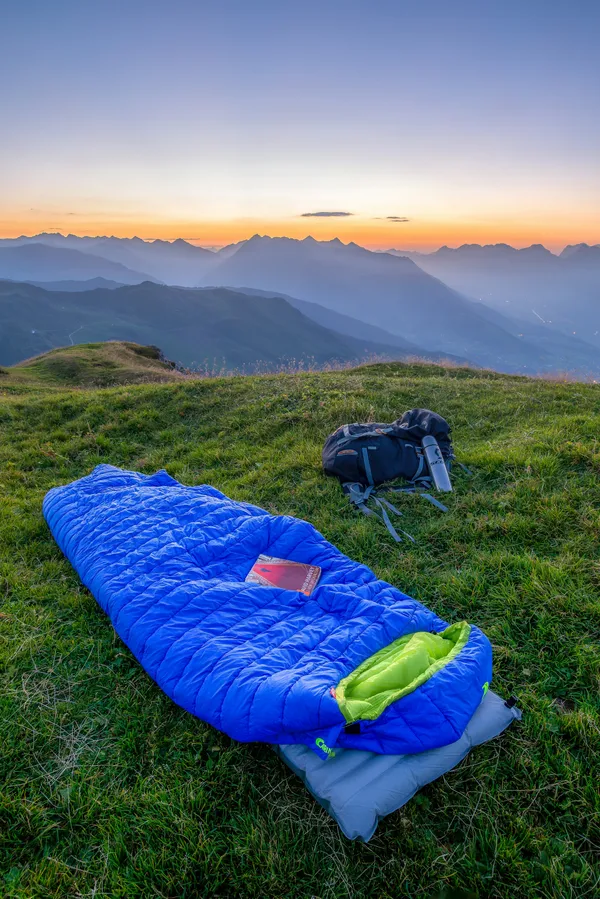
Two bags in our catalogue are rated to the same -5°C and cost within a dollar of each other. One weighs 950g and the other 530g. The difference is fill power, and this is what it is worth.
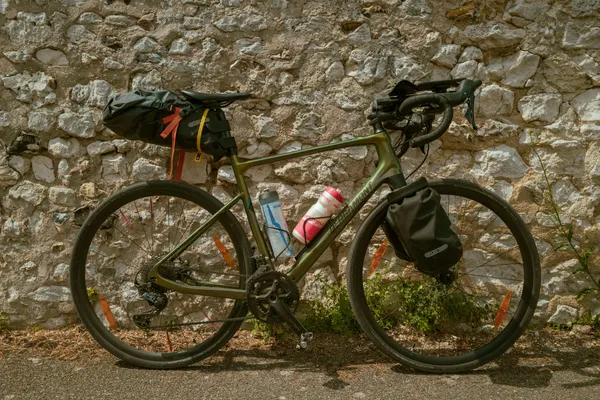
Usually not both, and the reason is geometry rather than bag choice. What actually fits inside a size S main triangle, measured against real bag dimensions.
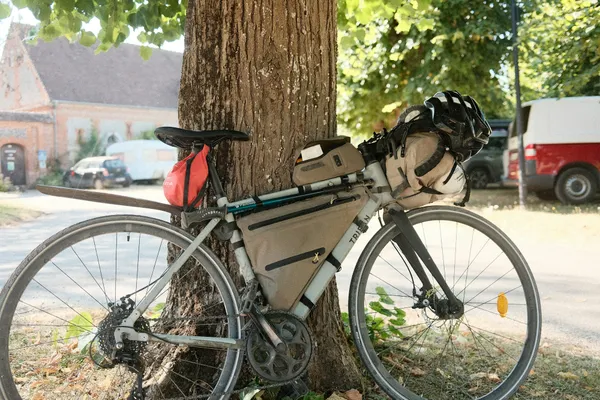
The frame bag is the only place weight is genuinely free. Here is what belongs in it, what does not, and the packing order that keeps the bike steady.
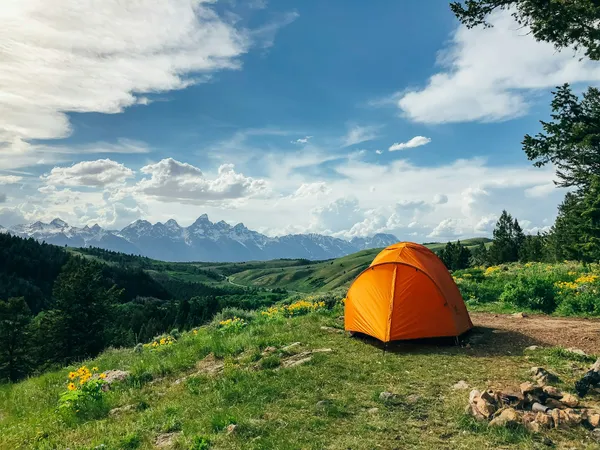
The Naturehike Cloud-Up 1 and Cloud-Up 2 weigh within grams of each other. If the 1P tent saves you nothing, the only question left is what the extra space is worth.
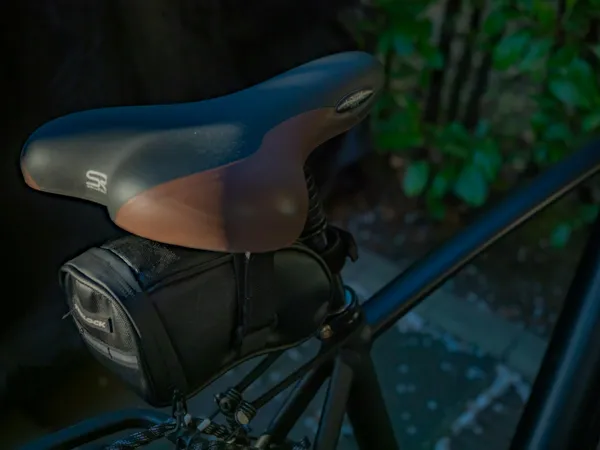
We have scored 16 bags across both brands. Their average scores differ by 0.08, but they are not interchangeable, and where they overlap the cheaper one wins.
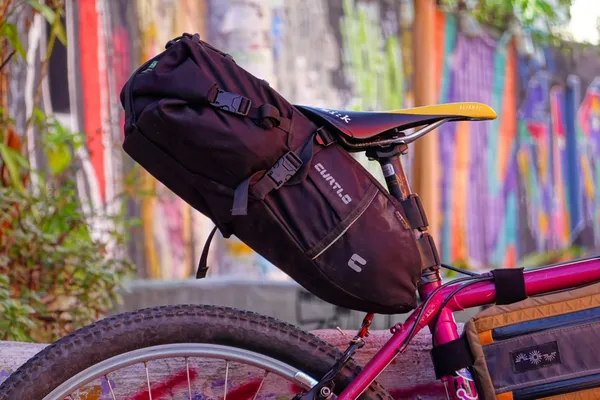
Bag makers quote a minimum clearance and almost nobody checks it. Across eight seat packs the requirement ranges from 5cm to 15cm — and it does not track capacity the way you would expect.
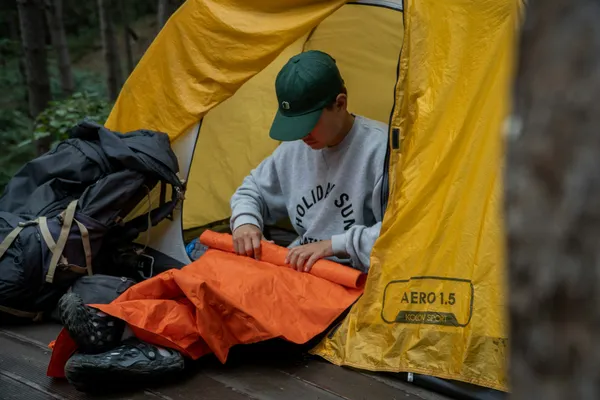
The budget pads in our catalogue sit at about R-2 or below. Several of the bags are rated to -6°C. Those two facts cannot both be true on the same night, and the pad is the one that decides it.
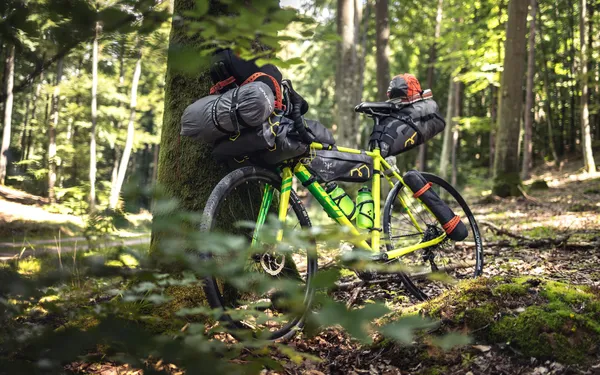
Two complete overnight kits, itemised from product weights: 5.15kg for $413, or 4.67kg for $581. The interesting part is where the weight actually sits, and it is not where most people look.
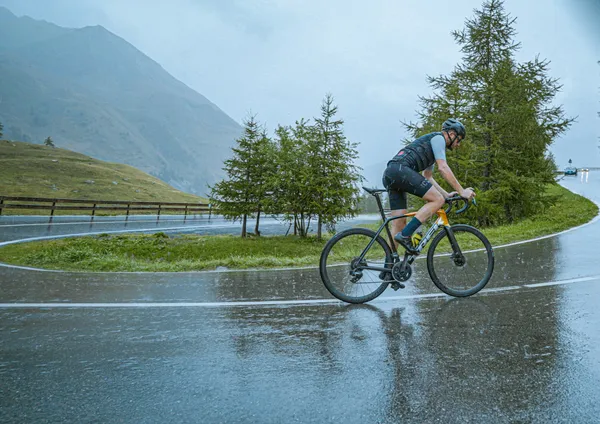
Across 36 bags we have scored, 'waterproof' is written 17 different ways and only some of them are testable. Where the water actually gets in, and the two-second habit that fixes most of it.
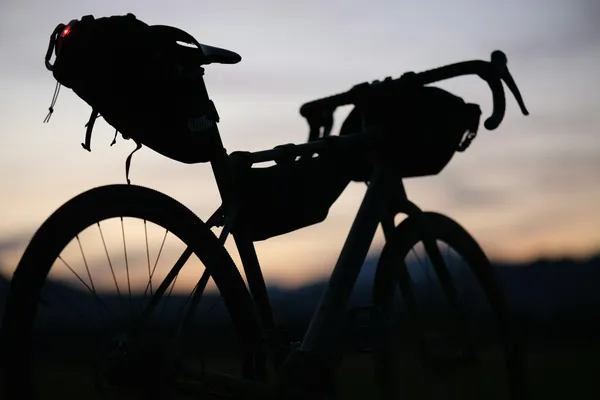
A swaying bikepacking saddle bag destroys your cornering and wastes energy. Learn how to pack your tail bag properly to completely kill the pendulum effect.
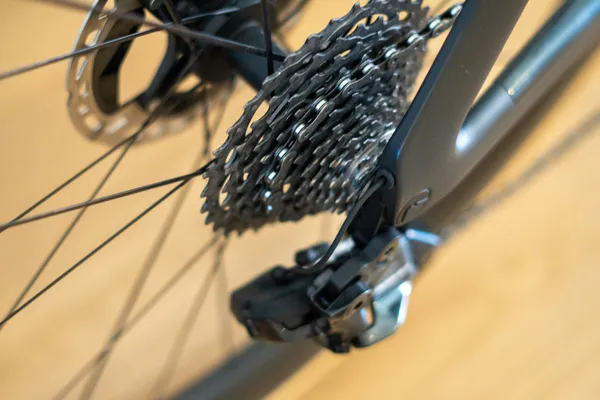
Chain slap chews through paint and carbon on rough gravel. Protection, clutch tension and chain length fixes that silence it for good.
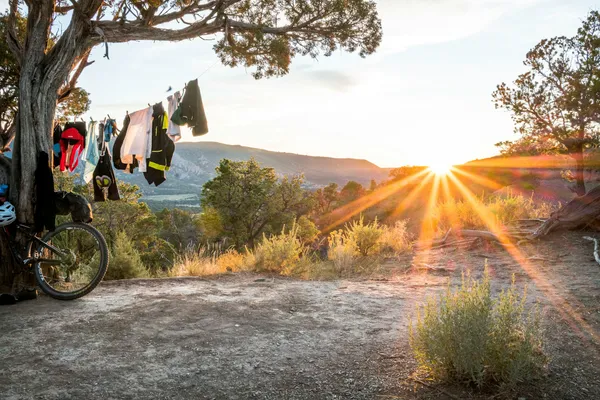
Overloading your rear tire and bringing your living room will destroy your ride. Here are 5 amateur packing mistakes and the exact gear used to solve them.
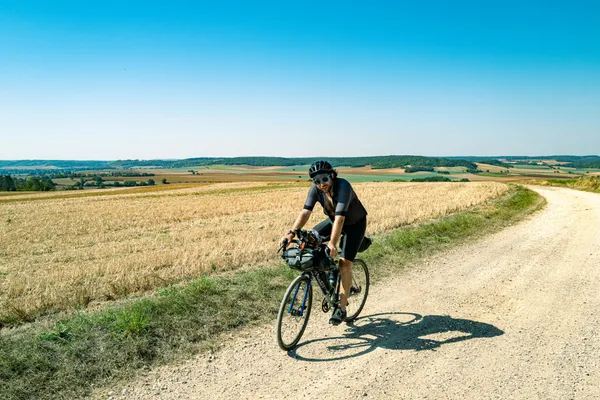
Sealant will not close a gash. How to plug a tubeless tyre at the roadside, when to give up and fit a tube, and what to carry for both.
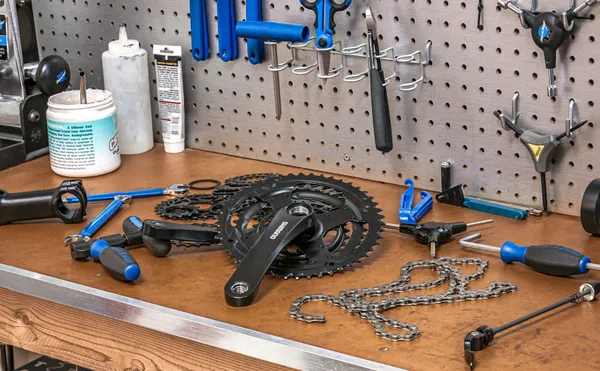
A broken chain is a mechanical death sentence in the backcountry. Learn the basics of field repair, including how to use a chain tool and master links.
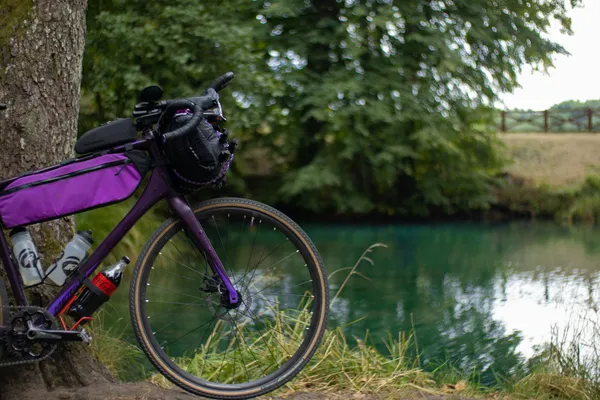
That down-tube bottle cage is critical real estate for water, but it is also a mud magnet. Here is how to setup a clean, dirt-free hydration system.
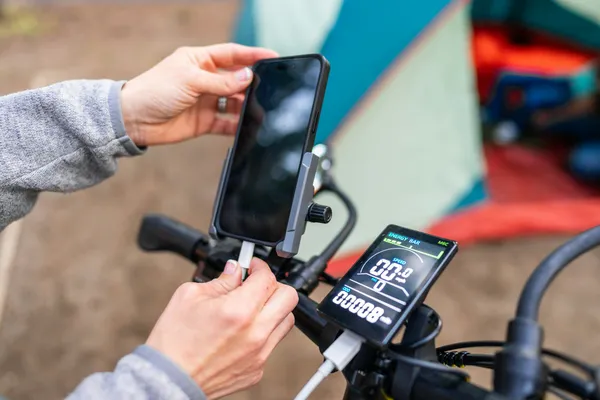
Navigation failure is a major risk on long gravel routes. Learn how to stretch your GPS battery life for triple-digit days and manage your power effectively.
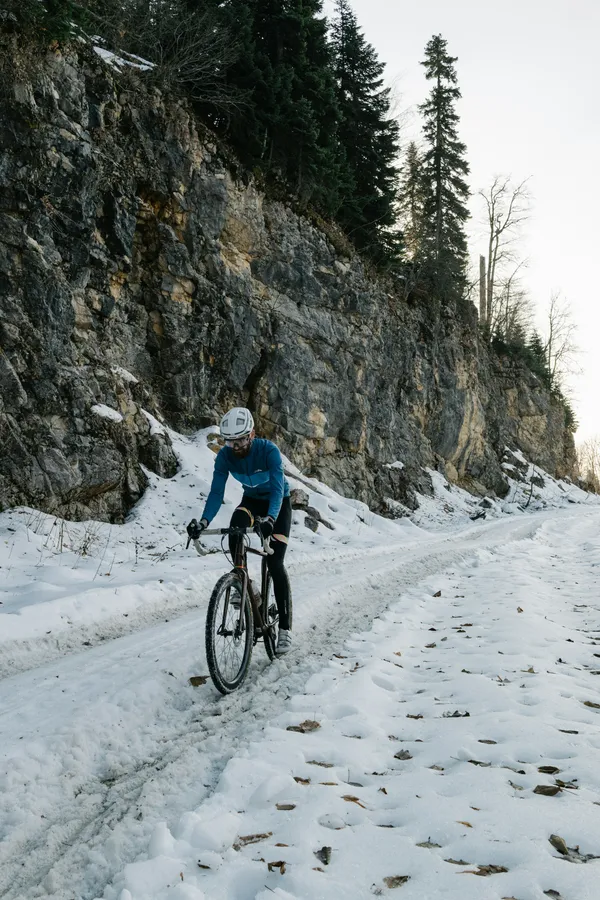
When the temperature drops below your quilt's rating, the 4 AM shivers are inevitable. Six ways to add real warmth to a bag that's underrated for the night you're having.
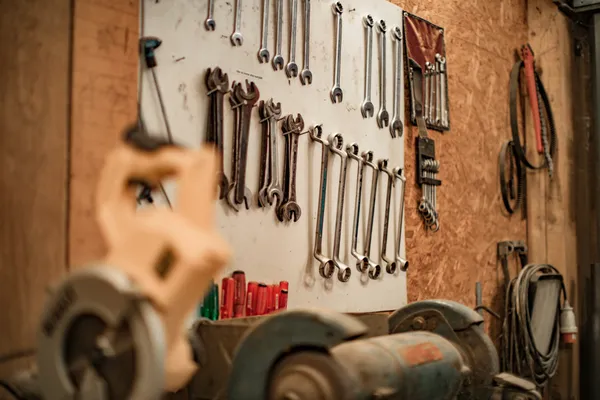
A rattling bike is a failing bike. Learn how to secure your multi-tools and spares so you can actually hear your tires on the trail.
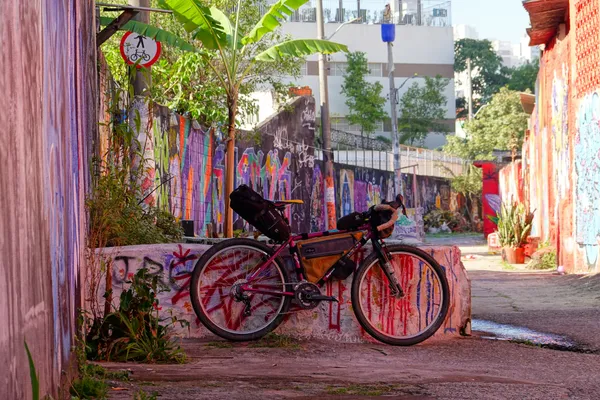
A loose frame bag sands through paint in 20 miles. How to stop frame rub and harness movement before the damage reaches carbon or bare metal.
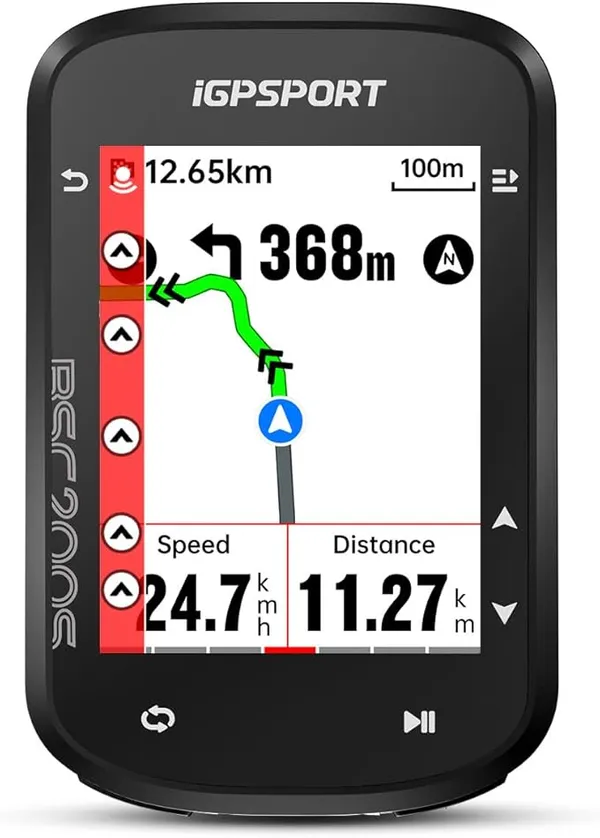
Five head units from $30 to $150, ranked on the one thing each trades away against a $328 Garmin Edge 540: the map, rerouting, buttons or battery.
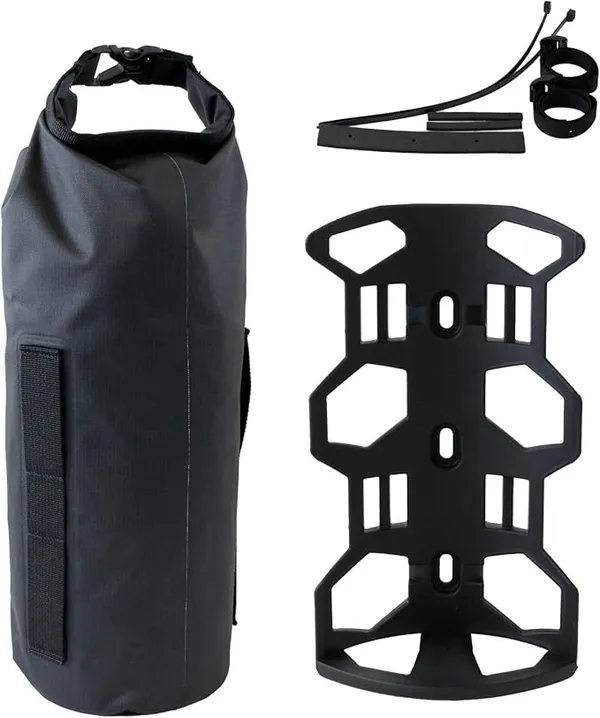
Six ways to use the empty space on your fork legs, from a $33 cage-and-bag set to a clamp mount for forks with no bosses. Load limits and what balance does.
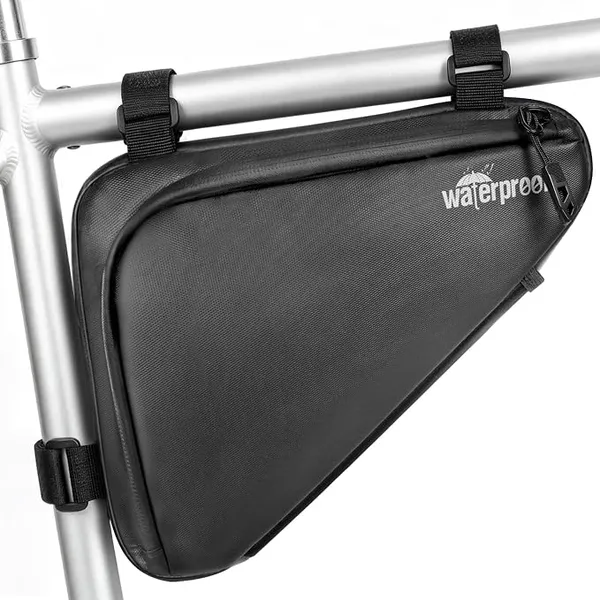
Seven frame bags from $18 to $85, split by the decision that actually matters: whether you keep your bottle cages or give the whole triangle over to luggage.

Six items from $10 to $22, including the one that decides whether day three happens. What to carry, what to decant, and what to leave at home.
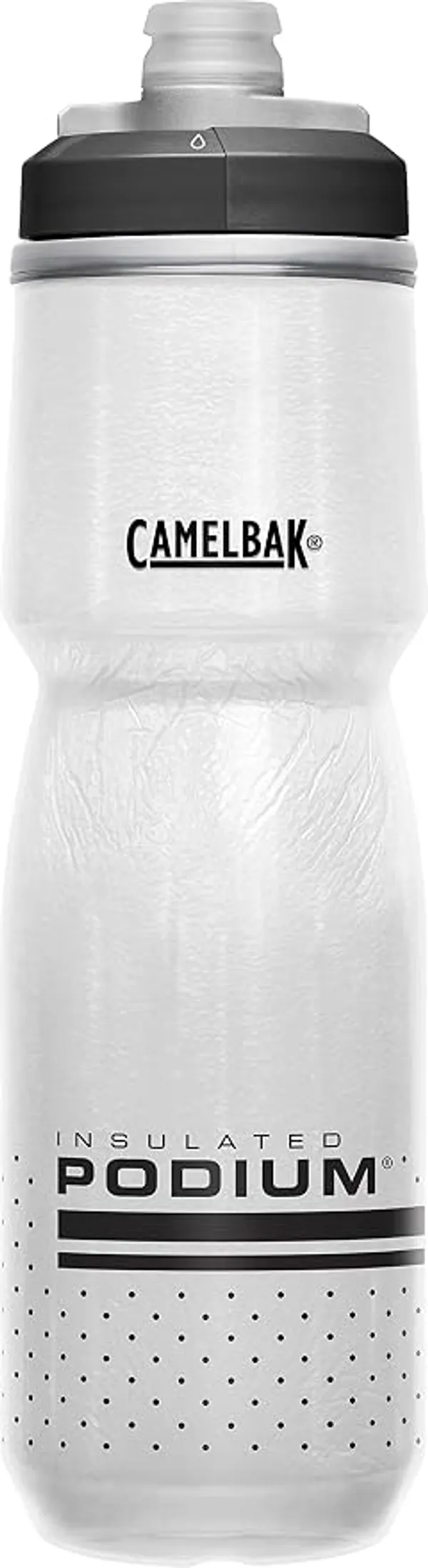
Eight ways to carry water on a loaded bike, from a $8 bladder to a titanium cage. Side-entry cages, insulated bottles, and what a frame bag does to your clearance.
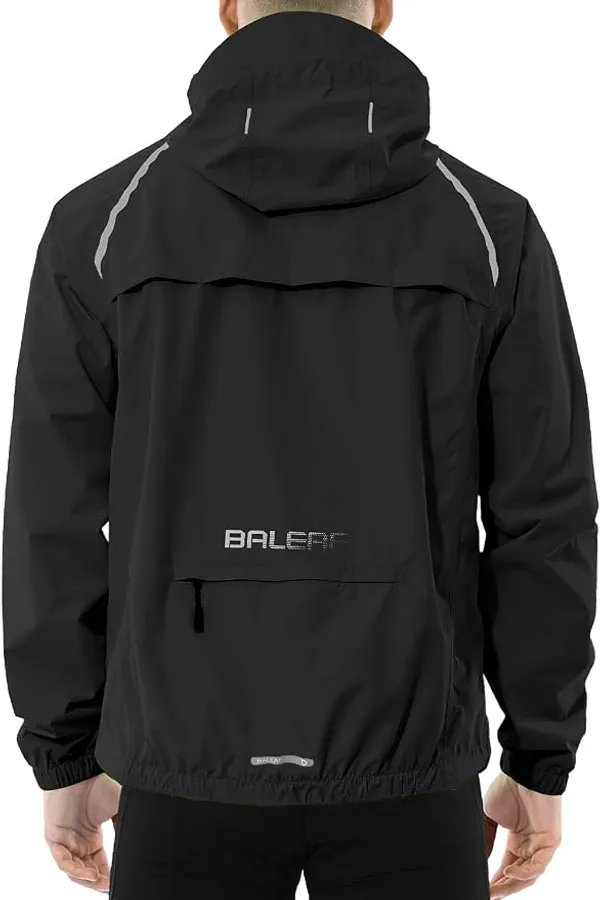
Seven packable shells from $20 to $50, judged on cut and packed size rather than membrane marketing. Why a hiking jacket fails on drop bars.
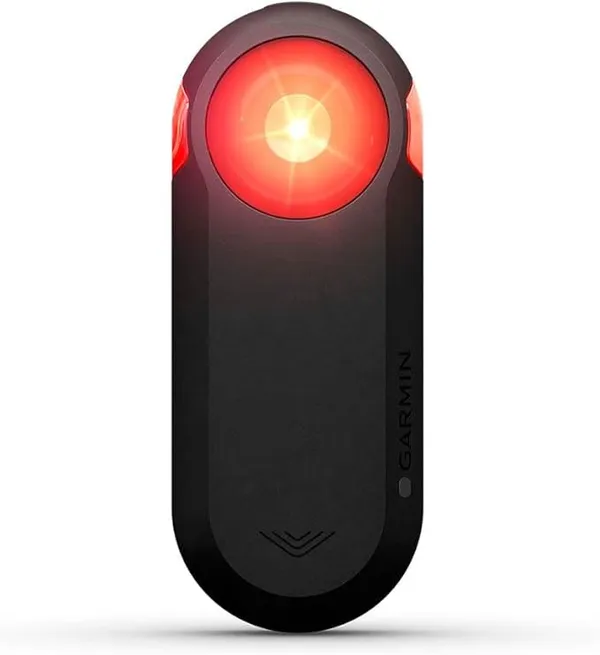
Four pieces covering three different jobs: being seen on a road, seeing an unlit gravel road, and finding things in a tent. Most riders need all three.
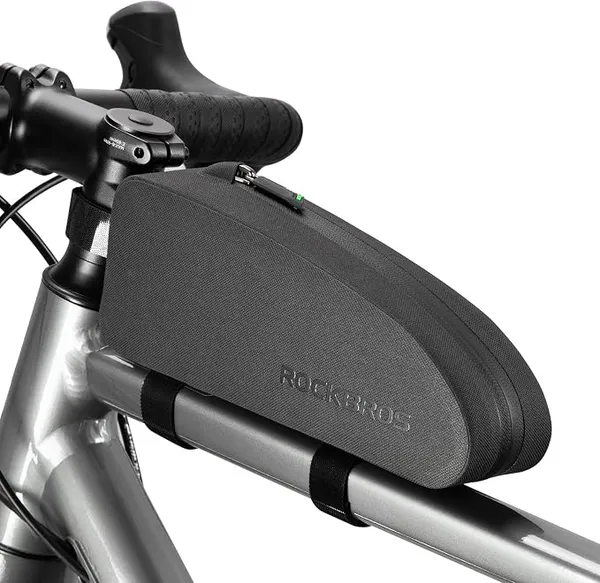
Four small bags that decide whether your kit is findable. Top tube bags, a dry sack and a wedge, judged on what they solve rather than capacity.
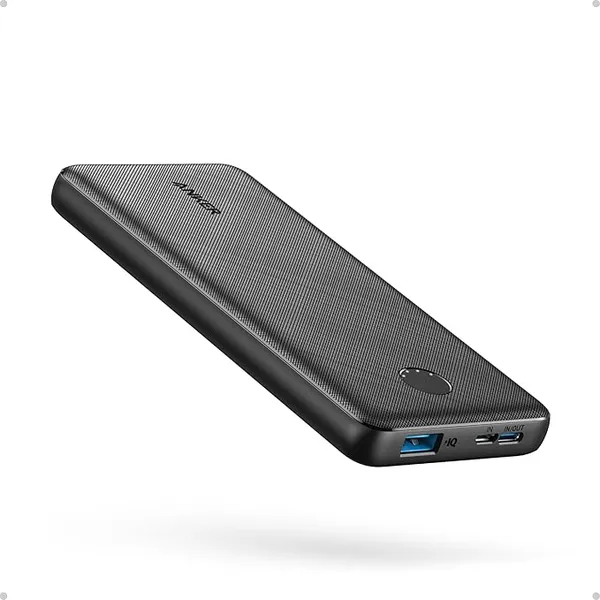
Seven ways to keep a GPS, lights and a phone alive for three days. Capacity per gram, the losses between rated and delivered mAh, and when a dynamo makes sense.
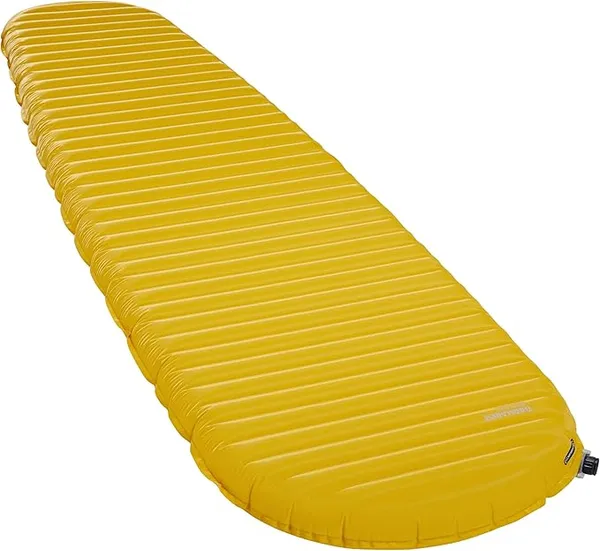
Eight sleeping pads from $40 to $229, judged on R-value, packed size and how they behave in a seatpack. The spec that matters is the one nobody reads.
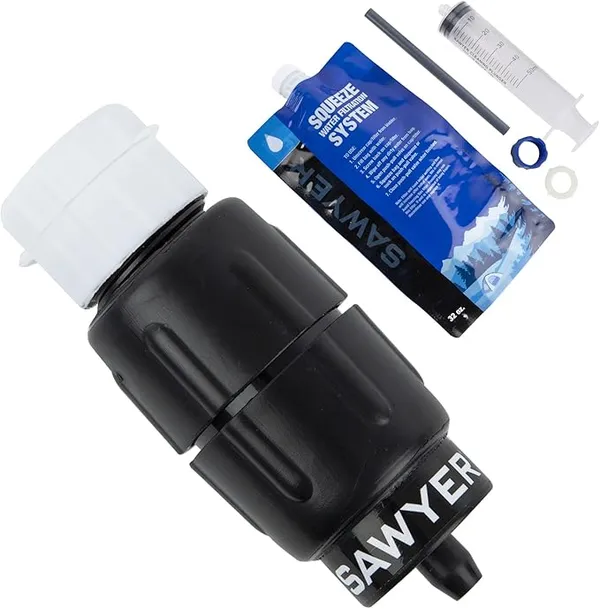
Nine filters and the parts that fail on them, from a $10 spare pouch to a pump that draws from a puddle. Flow rate, cartridge life, and what freezing does.
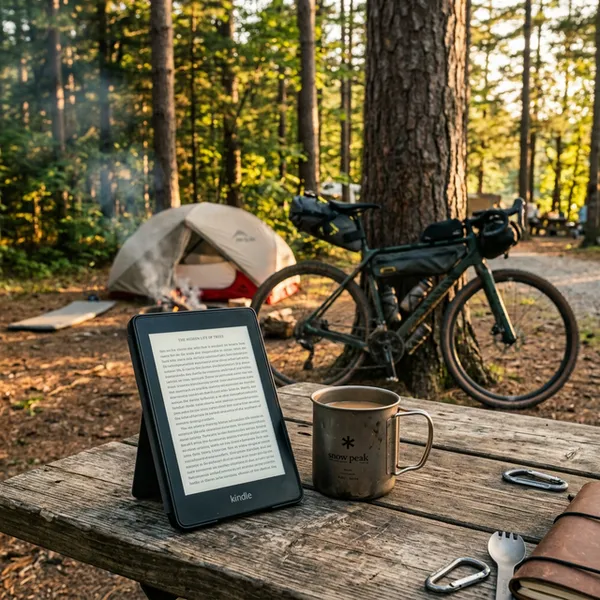
Seven bikepacking tents compared on packed pole length first, from an $80 solo shelter to a bike-specific Big Agnes. Packed size, pitch order, and where each one gives out.
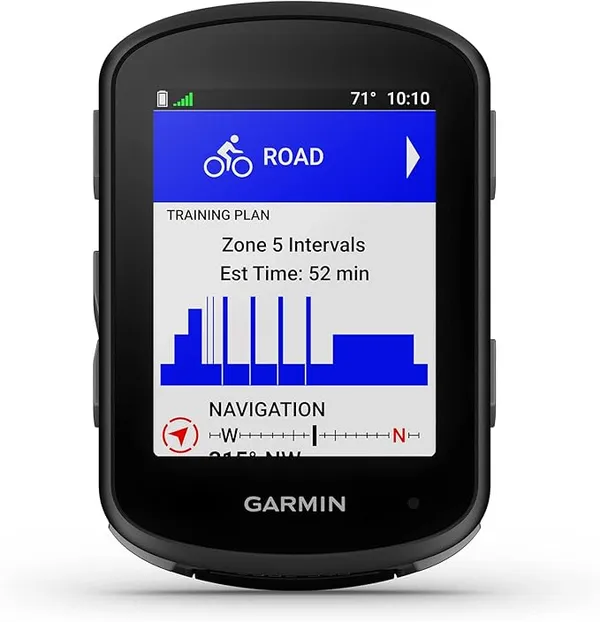
Bike computers that survive a triple-digit day without dying, plus the radar unit worth the handlebar space. Eight picks from $30 to $419.
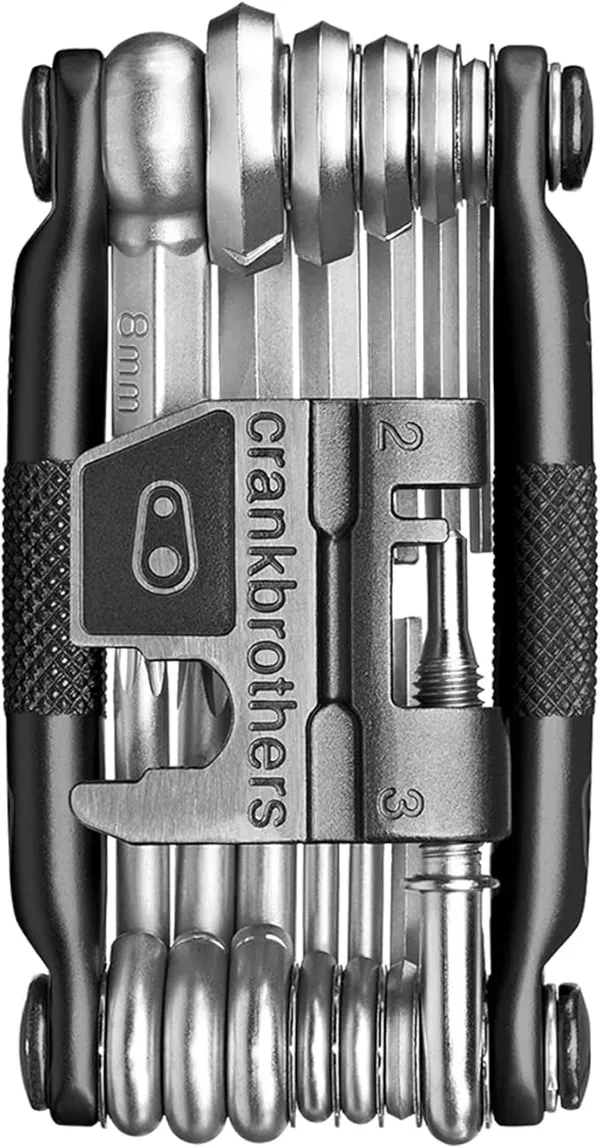
The multi-tool, pump and spares that turn a ride-ending mechanical into a twenty-minute roadside stop. Five picks we would carry on a remote gravel route.
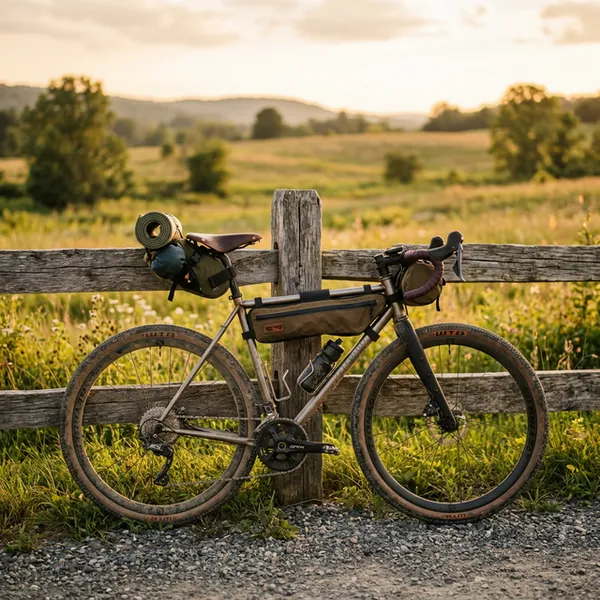
The quilts, bags and pads that pack down small enough for a seat pack and still get you through a cold night. Ten picks from ultralight to budget.
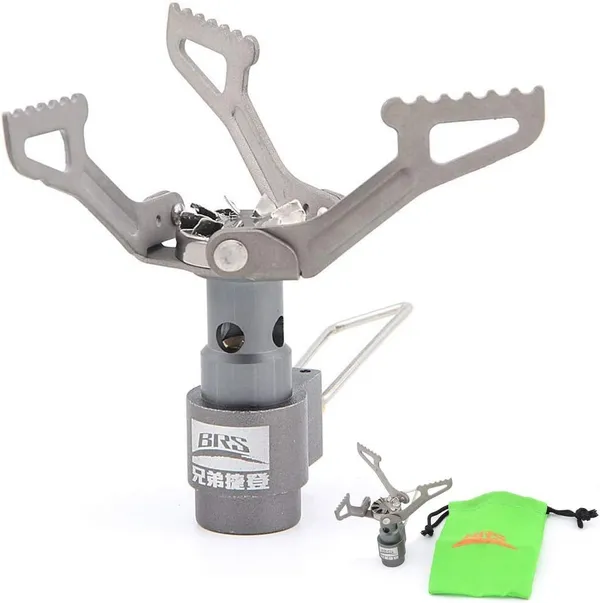
Stoves, pots, utensils and the one luxury worth its weight. Eight pieces, judged on what a bike actually has room for.
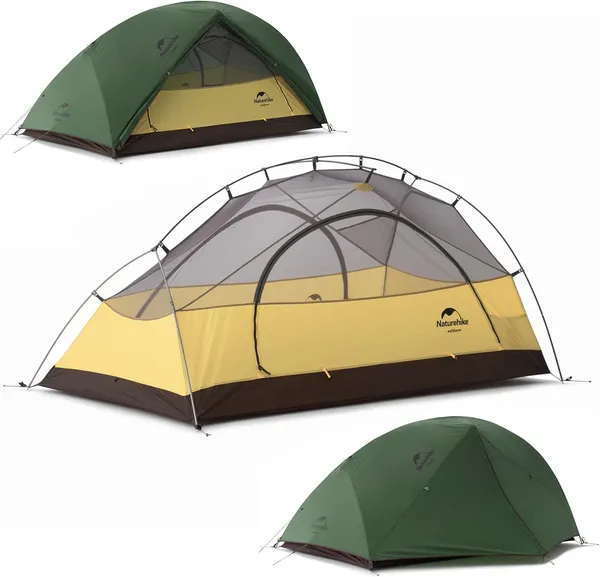
A full bikepacking setup without the flagship prices. Ten budget picks under $120 each, with the three that are false economy named.
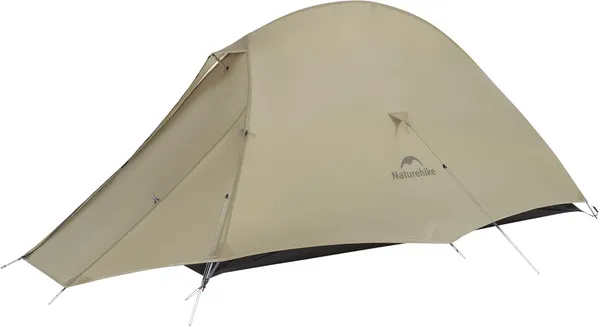
The 9 things worth carrying on a lightweight overnighter, and the gear most first-timers pack that never comes out of the bag.
Ten cycling and bikepacking reads that weigh nothing on tour, from trailside maintenance manuals to the long-distance memoirs worth the battery.
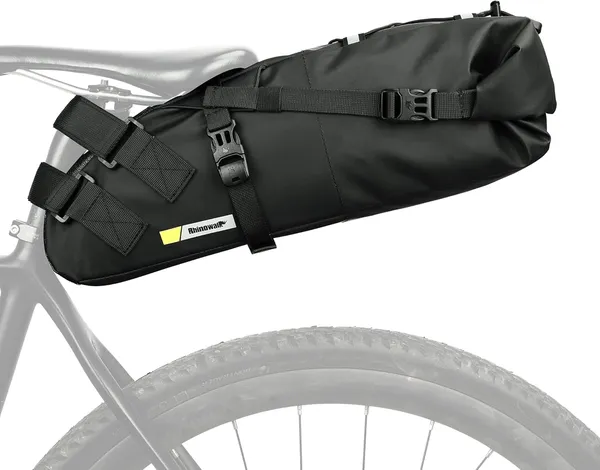
A complete 4-day gravel kit, ranked by how often you'd actually reach for each item — and honest about which pieces are luxuries you could leave at home.
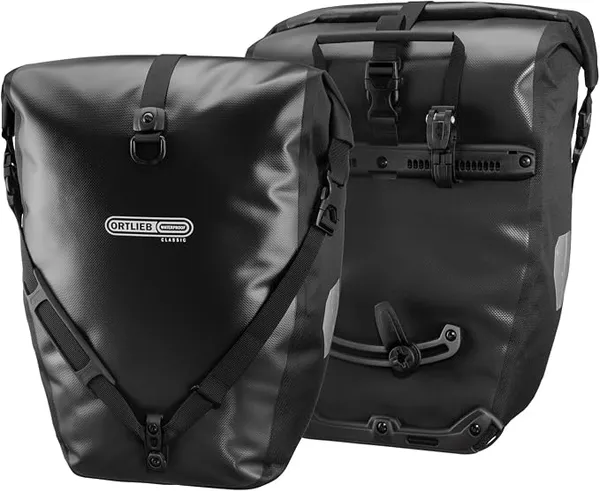
From Ortlieb Back-Rollers to 50L expandable budget sets, seven bike panniers and rack trunks compared for gravel touring, commuting and multi-day loads.
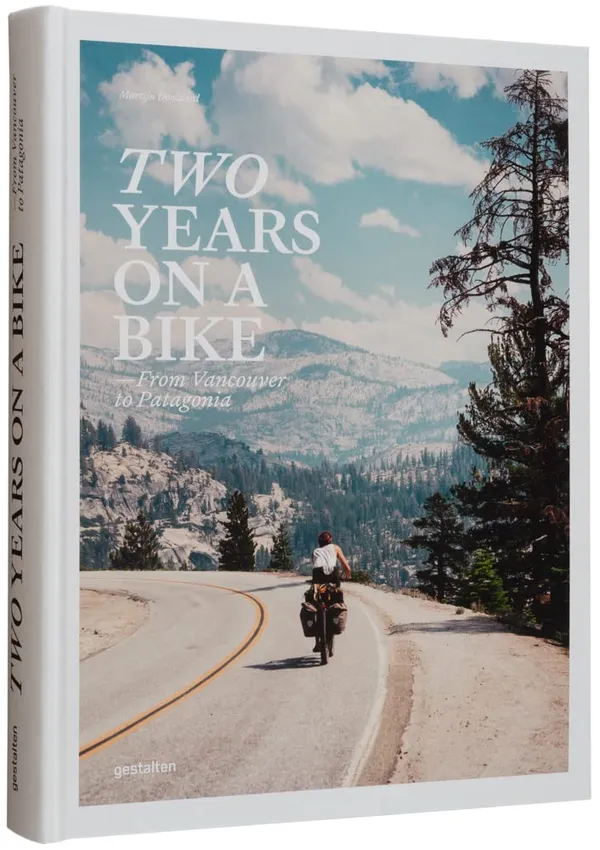
The 12 bikepacking books worth the shelf space in 2026, from practical route guides to the long-distance epics that got us riding.
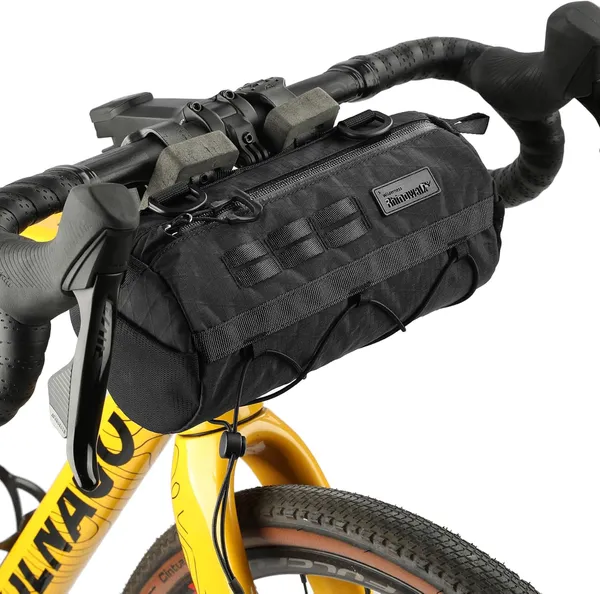
From a 20-litre roll and pouch set for multi-day trips to thermal-insulated lunchboxes for day rides, we compare 8 budget handlebar bags for gravel bikepacking.
Everything you actually need for a first multi-day gravel trip in 2026, from bags to sleep systems, with the kit we would skip and why.
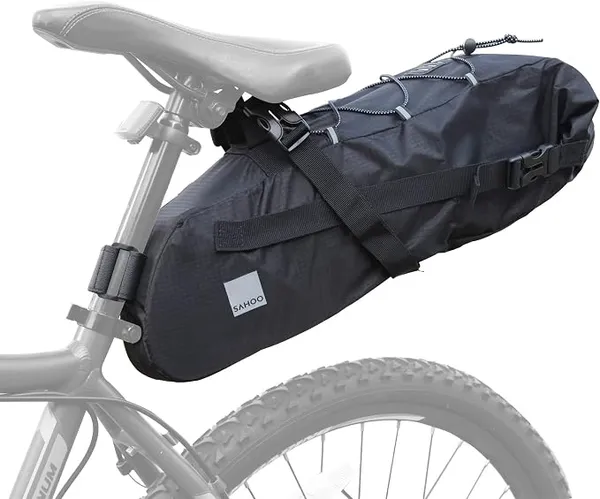
Ten large bikepacking seatpacks compared on the thing that actually fails: the harness. Which 10L+ saddle bags resist tail sway, and which ones we would not put a loaded bag on.
94 km and 2,100 m of climbing from Black Canyon City to Crown King and back. The route is simple. The water plan is the whole trip.
A 187 km loop through the Tillamook State Forest and the Nehalem valley. Logging-road gravel, reliable water, and rain that tests every claim on your bags.
A 71 km Colorado overnighter with 1,540 m of climbing, from Boulder up Left Hand Canyon to Ward and back down Lee Hill. Water, camping and bailouts.