Hygiene
The Best Bikepacking Wash Kit and Camp Hygiene
Six items from $10 to $22, including the one that decides whether day three happens. What to carry, what to decant, and what to leave at home.
Hygiene on a bike trip is not about being clean. It is about preventing three specific problems, and everything beyond them is comfort.
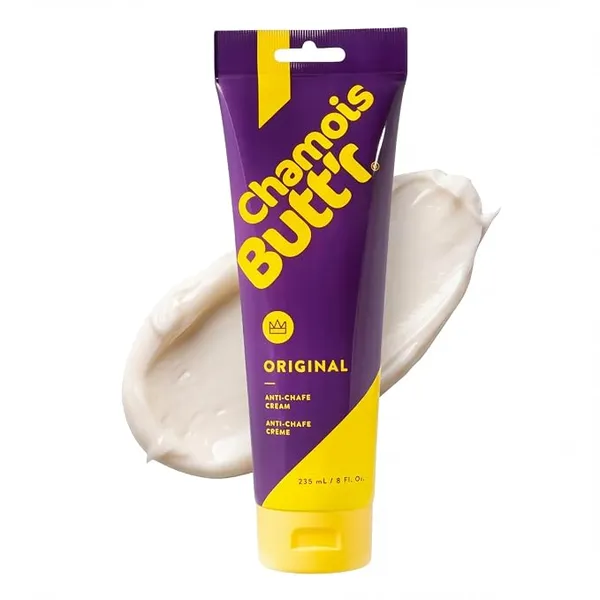
Saddle contact. This is the one that ends trips. Rinse and change into clean shorts every evening, and rinse the day's pair so they are ready. Friction and pressure you manage with fit and position, but the bacterial half of a saddle sore is entirely preventable with a rinse.
Hands before eating. You have been touching a chain, a tyre and a public tap all day. Hand sanitiser weighs 30 g and the alternative is a stomach problem in a tent, which is genuinely the worst outcome available on a bikepacking trip.
Feet. Wet, warm and enclosed all day is exactly the condition feet do not like. Wash them at camp, dry them properly, and put on the sleep socks that never get ridden in.
Do those three every day and you can skip everything else for a week without consequence.
This is the whole article in one habit.
At camp, rinse the day's shorts in water carried away from any stream. No soap needed most nights. Wring them hard, then strap them to the outside of a bag in the morning and let 20 km/h do the drying.
That gives you two pairs in rotation and a clean one every day, which is the single largest hygiene improvement available for zero extra weight. Riders who carry four pairs instead are carrying three days of dirty laundry and the same problem.
5 Rookie Bikepacking Packing Mistakes (And How to Fix Them)
Overloading your rear tire and bringing your living room will destroy your ride. Here are 5 amateur packing mistakes and the exact gear used to solve them.

A microfibre towel and half a litre of water is a functional wash.
Wet the towel, wash the parts that matter, rinse the towel, repeat. It is not luxurious and it removes the salt, grit and bacteria that cause the actual problems. A 100 g towel does this and dries on the bike, which a cotton one never will.
Keep soap away from water sources. Biodegradable soap breaks down in soil, not in a creek, so carry water 60 metres from the bank, wash there, and scatter the water rather than pouring it in one spot. This matters more on popular routes where you are one of many people doing it that week.
About 260 grams, before the wipes.
Microfibre towel, around 100 g. Small decant of biodegradable soap, 40 g. Hand sanitiser, 30 g.
Toothbrush and a decanted paste, 30 g. Trowel and toilet paper in a zip bag, 60 g. A few wet wipes in a bag for the day it is too cold to wash properly, sealed so they do not dry out.
Everything decanted, nothing in its original packaging, all of it in one bag so it is a single item to find in the dark. That last part is the difference between a kit you use and a kit you carry.
Bury waste 15 to 20 cm deep and at least 60 m from water and trails. Pack out toilet paper on any route with real traffic, because the alternative is what everyone finds behind the popular campsites.
None of this is complicated and all of it is the price of the routes being open. The trowel is 40 g.
Water That Tastes Like Plastic: Cleaning Bladders and Bottles on Tour
Your water tastes like a shower curtain because something is growing in the hose. Here is the field clean, the deep clean, and how to stop it coming back.
Friction, pressure and bacteria, in that order, and the bacteria part is the one hygiene addresses. Riding day after day in shorts that were not rinsed gives skin already under load a bacterial problem on top of a mechanical one. Rinsing shorts nightly does more than any cream.
No, but you do need to clean the contact points every day: the saddle area, the feet, and your hands before eating. A full wash is a comfort, and those three are maintenance. Most riders can go a week without a real shower and be entirely fine if they do the three.
Not in the creek. Biodegradable means it breaks down in soil, not in water, so carry water 60 m away from any stream or lake, wash there, and scatter the grey water. Soap directly in a water source is one of the most common and most damaging camp mistakes.
Strap it to the outside of a bag while you ride. A microfibre towel dries in about twenty minutes at 20 km/h and will not dry at all folded in a seatpack. This is the same principle as drying anything else on a bike: airflow rather than sun does the work.
A microfibre towel, a small bottle of biodegradable soap, hand sanitiser, a toothbrush and paste, and a trowel with toilet paper. That is about 260 g including the towel, and there is very little on that list you can cut without regretting it by day four.
Six items from $10 to $22, including the one that decides whether day three happens. What to carry, what to decant, and what to leave at home.
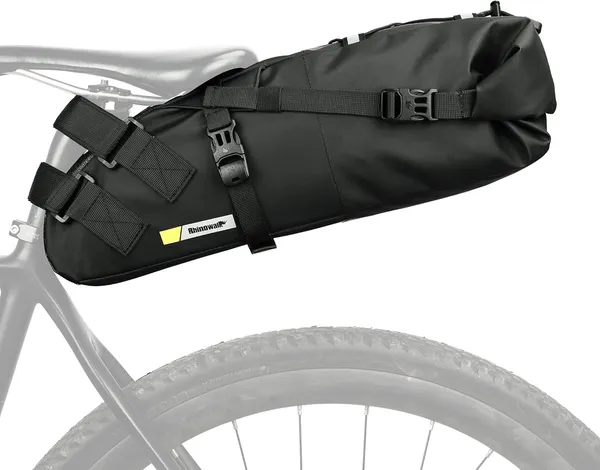
A complete 4-day gravel kit, ranked by how often you'd actually reach for each item — and honest about which pieces are luxuries you could leave at home.
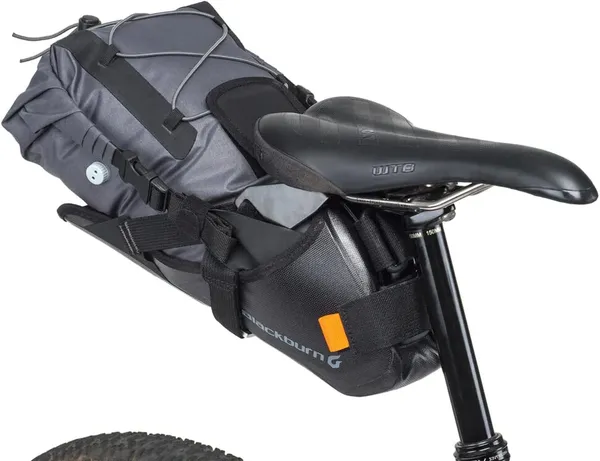
An alloy rail wing, a bolt-on brace and a stiff holster, compared on sway, clearance, fitting and hardware. Only one is built around a dropper post.

GravelPacker is a research desk, not a test lab. We read the spec sheets, the long-run owner reports and the forum threads where things break, then score what survives that reading against a rubric we publish. We say so plainly because a review you can check is worth more than one you have to trust.