
On this page

The Best Bikepacking Wash Kit and Camp Hygiene

Saddle sores end more tours than mechanicals do, and the whole wash kit that prevents them weighs less than a spare tube.

Published September 6, 2026
Edited by Louis Raveton
When you purchase through links on our site, we may earn an affiliate commission. Here's how it works.
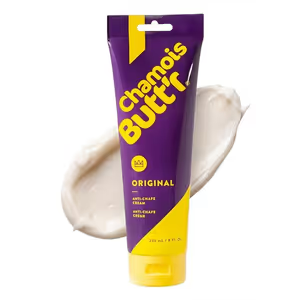
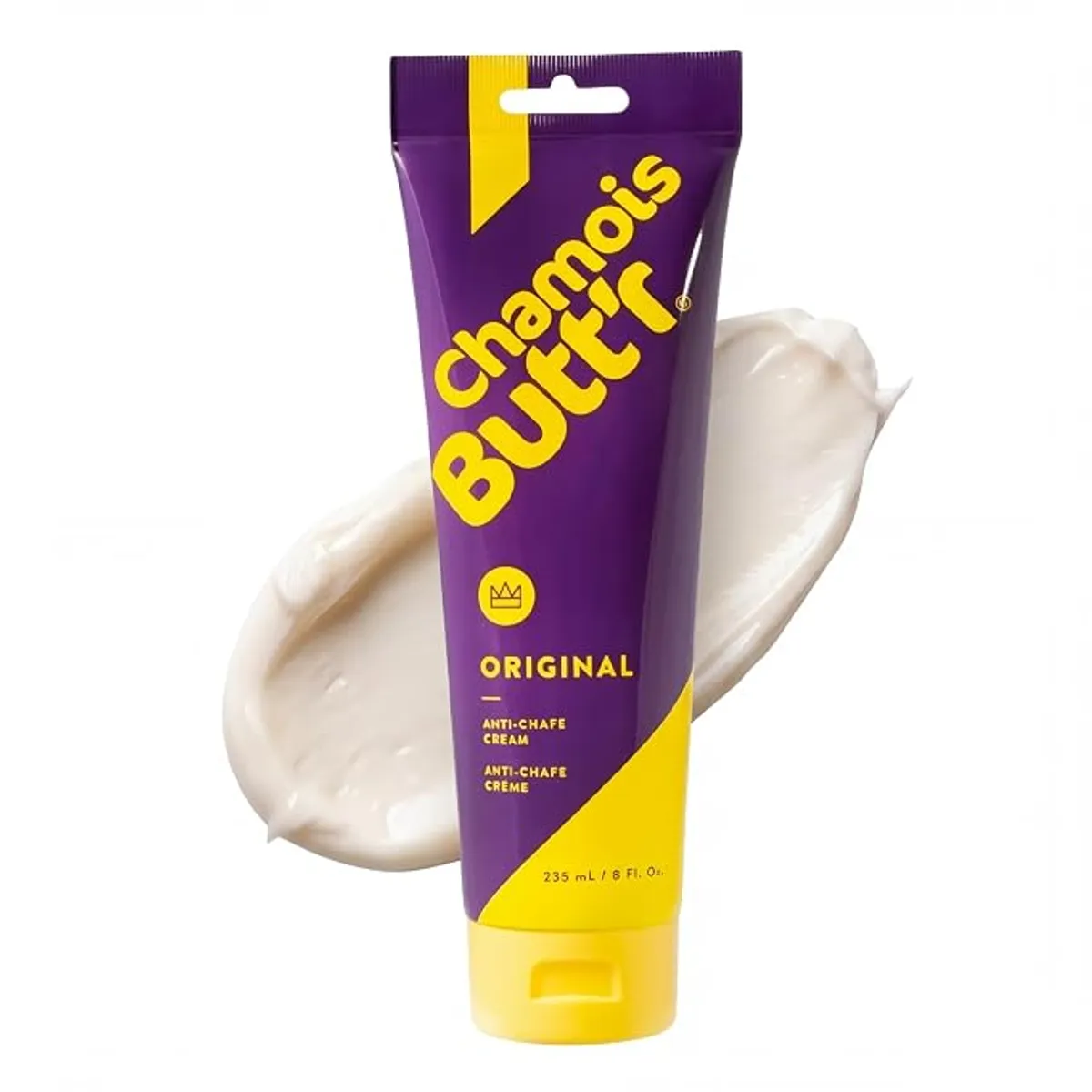
Chamois Butt'r Original Anti-Chafe Cream (8oz), our top pick in The Best Bikepacking Wash Kit and Camp Hygiene

A wash kit is the part of a bikepacking setup people either overthink or skip entirely, and skipping it has consequences that overthinking does not. Saddle sores end trips. Nothing else in this list does.

The whole kit fits in a sandwich bag and weighs under 200 grams once you decant it, which almost nobody does on their first trip and everybody does on their third.

Seven items here, from $10 to $22. Some links are affiliate links, which is how the site pays for itself, and none of them changed a score.

Editor's Choice

  • Prevents the problem most likely to end a tour
  • Washes out of shorts instead of building up
  • Very large and consistent review base
$21.99
Checked Aug 2026
Buy on Amazon

Quick Comparison

Sort
Best for Saddle Sores
  • Size 8oz tub, decant for touring
  • Use Applied to shorts pad and skin
  • Type Non-greasy, washes out
  • Frequency Every ride day
Best for Camp Washing
  • Size 8oz, decant to a 60ml bottle
  • Uses Body, dishes, laundry
  • Biodegradable Yes, away from water sources
  • Concentration Highly concentrated
Best for Camp Hygiene
  • Material 85% Polyester
  • Weight 156g (Large)
  • Drying_Time Fast
  • Size Many Options
Best for Dry Camp
  • Type Biodegradable body wipes
  • Size Large, body-sized
  • Pack Resealable
  • Use One per night typical
Best for Dry Camp
  • Pack Two packs
  • Type Extra thick, biodegradable
  • Added Aloe and vitamin E
  • Use Body and hands
Best for Camp Hygiene
  • Count 125 tablets
  • Fluoride Yes
  • Packaging No tube, no liquid
  • Trip_Length Two months at two a day
Best for Trail Hygiene
  • Material Microfibre
  • Dimensions 100 x 50 cm
  • Weight ~100g
  • Feature Snap-loop for hanging

The Kit Most Riders Should Carry

Chamois cream, castile soap, a microfibre towel and a toothbrush. Under 200 grams and about $45.

Everything else on this page is a variation for specific conditions. This four-item set covers any trip where water is available, fits in a sandwich bag, and prevents the one problem that actually ends tours.

Add wipes only if the route is dry. They exist for the situation where washing with your drinking water would be indefensible, and on a route with streams they are weight you are carrying for no reason.

Related Read

Staying Clean on a Multi-Day Trip

The three things that actually matter for hygiene on the bike, what causes saddle sores, and a wash kit that weighs under 200 grams.

Decant Everything, On The First Trip

This is the difference between a wash kit that weighs 200 grams and one that weighs 900.

Chamois cream is sold in an 8oz tub because that is a sensible size for a cupboard, not for a seatpack. A tour uses a fingertip a day, so a 30ml screw-top pot covers two weeks. Soap is the same: a 60ml dropper bottle from an 8oz bottle, and you will still come home with some.

Nobody does this on their first trip and everybody does it by their third, having carried the full-size versions of both across a mountain range for no reason at all.

Where Each One Gives Out

Castile soap lathers badly in hard water and leaves a film, which is chemistry rather than a fault.

Wipes are single-use, must be packed out, and are redundant wherever there is water to spare. Buying them for a route with streams is buying weight.

Toothpaste tablets need acclimatising and soften in humidity outside their container.

And chamois cream only works applied to clean skin on a rinsed pad. Putting it on with dirty hands over yesterday's residue is worse than not bothering, which is the part most people learn the hard way.

Our Recommendations

Chamois Butt'r // Best For Saddle Sores //
4.7 (12,490 ratings at the retailer)

Chamois Butt'r Original Anti-Chafe Cream (8oz)
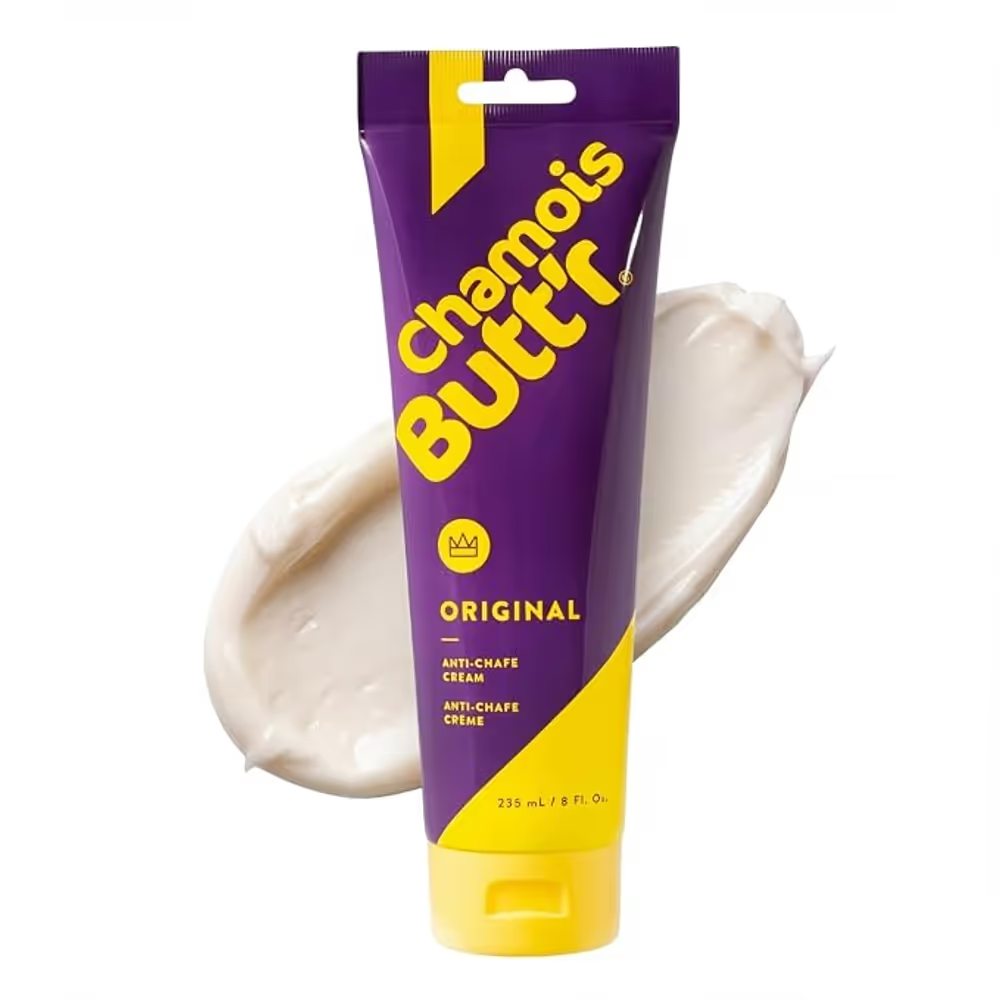
Product shot of Chamois Butt'r Original Anti-Chafe Cream (8oz) by Chamois Butt'r
Best For Saddle Sores

Tech Specs

Size
8oz tub, decant for touring
Use
Applied to shorts pad and skin
Type
Non-greasy, washes out
Frequency
Every ride day
Saddle sores end more tours than mechanicals do.

Saddle sores end more multi-day trips than mechanical failures do, and they are almost entirely preventable. The mechanism is friction plus moisture plus time, and chamois cream addresses the friction directly while making the other two matter less. On day one nobody needs it. By day three the riders who skipped it are the ones cutting the route short.

Read the full review

This formulation washes out of shorts rather than building up, which is the practical difference between it and a petroleum-based barrier. Shorts that hold old cream get less breathable and more prone to causing exactly the problem you were preventing.

The 8oz tub is far more than a tour needs and the sensible approach is decanting into a small screw-top pot. Carrying the full tub is a common beginner mistake and it is a lot of dead weight for something used a fingertip at a time.

Hygiene matters as much as the cream itself. Applying it with dirty hands onto a pad that was not rinsed the night before actively undoes the point, because you are sealing yesterday's bacteria against skin for another eight hours. That is why this belongs in a wash kit rather than filed with the tools.

Full review, score breakdown & specs

The Verdict

The highest-consequence item in this list. Decant a small pot, apply every morning, and the problem mostly does not arise.

GravelPacker score How we score
4.5/5
Durability
4
Performance
5
Usability
4.5
Value
4.5
  • Prevents the problem most likely to end a tour
  • Washes out of shorts instead of building up
  • Very large and consistent review base

$21.99
Checked Aug 2026
Buy on Amazon

The Good

  • + Prevents the problem most likely to end a tour
  • + Washes out of shorts instead of building up
  • + Very large and consistent review base

The Bad

  • 8oz tub is far more than a trip needs
  • Needs clean hands and a rinsed pad to work
  • Must be applied daily to be worth carrying
Dr. Bronner's // Best For Camp Washing //
4.8 (71,182 ratings at the retailer)

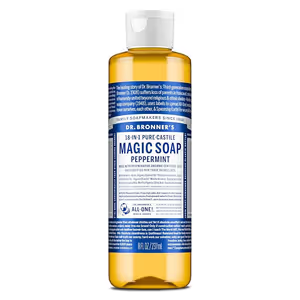
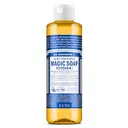
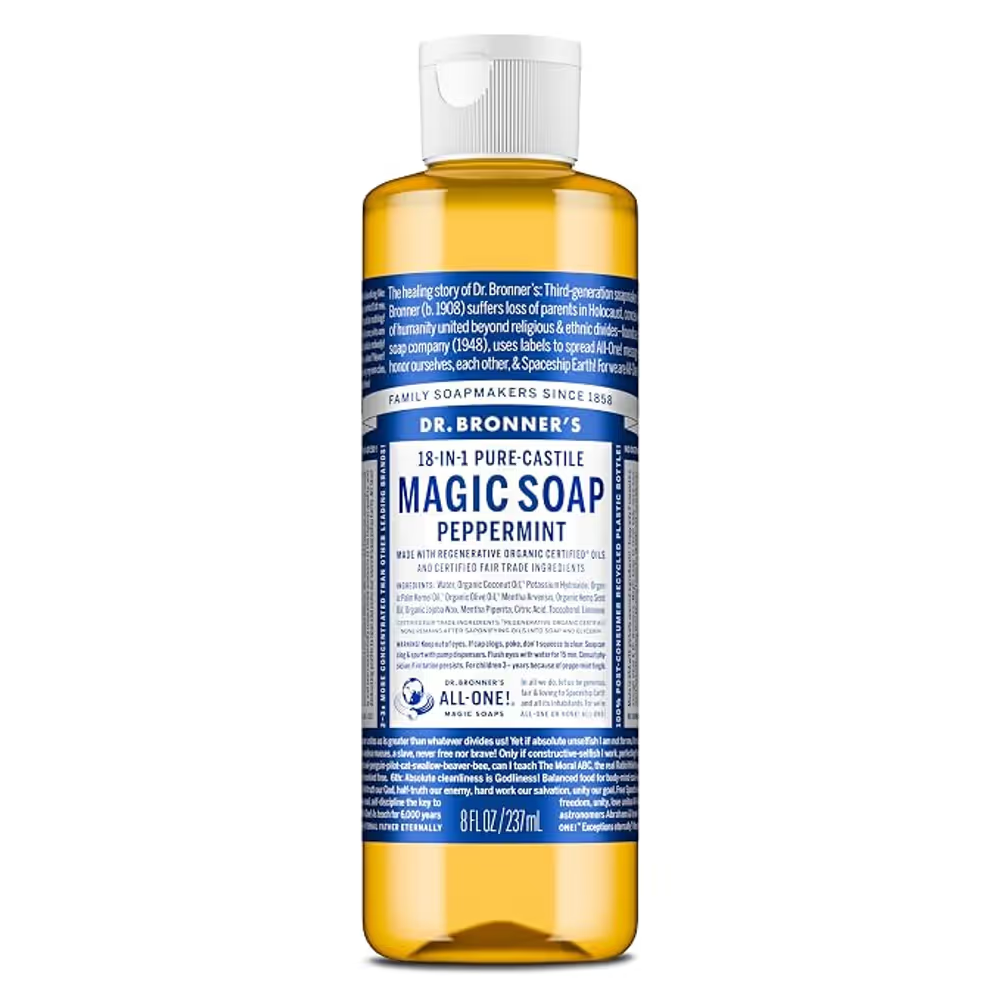
Dr. Bronner's Pure-Castile Liquid Soap (8oz)

Product shot of Dr. Bronner's Pure-Castile Liquid Soap (8oz) by Dr. Bronner's
Best For Camp Washing

Tech Specs

Size
8oz, decant to a 60ml bottle
Uses
Body, dishes, laundry
Biodegradable
Yes, away from water sources
Concentration
Highly concentrated
One soap for your body, your pots and your shorts, in a bottle the size of your thumb.

The reason this appears in every bikepacking kit list is consolidation. It washes a body, a titanium pot and a pair of shorts, which means one 60ml bottle replaces a shower gel, a washing-up liquid and a travel detergent. On a bike, where every item has to earn its volume, that ratio is hard to beat.

Read the full review

It is genuinely concentrated, so buying the 8oz bottle and decanting into a small dropper bottle is the correct approach rather than carrying the whole thing. A few drops is a body wash and a few more is a sink of dishes.

Biodegradable does not mean you can wash in a stream. It means the soap breaks down in soil, so the rule is to carry water at least sixty metres from any watercourse and wash there. Doing it in the water is the single most common misuse of this product.

In hard water it lathers poorly and leaves a faint film on skin, which surprises people expecting shower-gel behaviour. That is the chemistry of castile soap reacting with dissolved minerals rather than a fault in the product, and rinsing with a little more water clears it.

Full review, score breakdown & specs

The Verdict

The most useful ten dollars in a bikepacking wash kit. Decant it, dilute it, and keep it well away from the stream.

GravelPacker score How we score
4.4/5
Durability
4
Performance
4.5
Usability
4.5
Value
4.5
  • Replaces body wash, dish soap and detergent
  • Extremely concentrated, so a 60ml decant lasts
  • Breaks down in soil
$9.99
Checked Aug 2026
Buy on Amazon

The Good

  • + Replaces body wash, dish soap and detergent
  • + Extremely concentrated, so a 60ml decant lasts
  • + Breaks down in soil

The Bad

  • Must be used well away from water sources
  • Poor lather in hard water
  • Not a substitute for a proper shampoo
Rainleaf // Best For Camp Hygiene

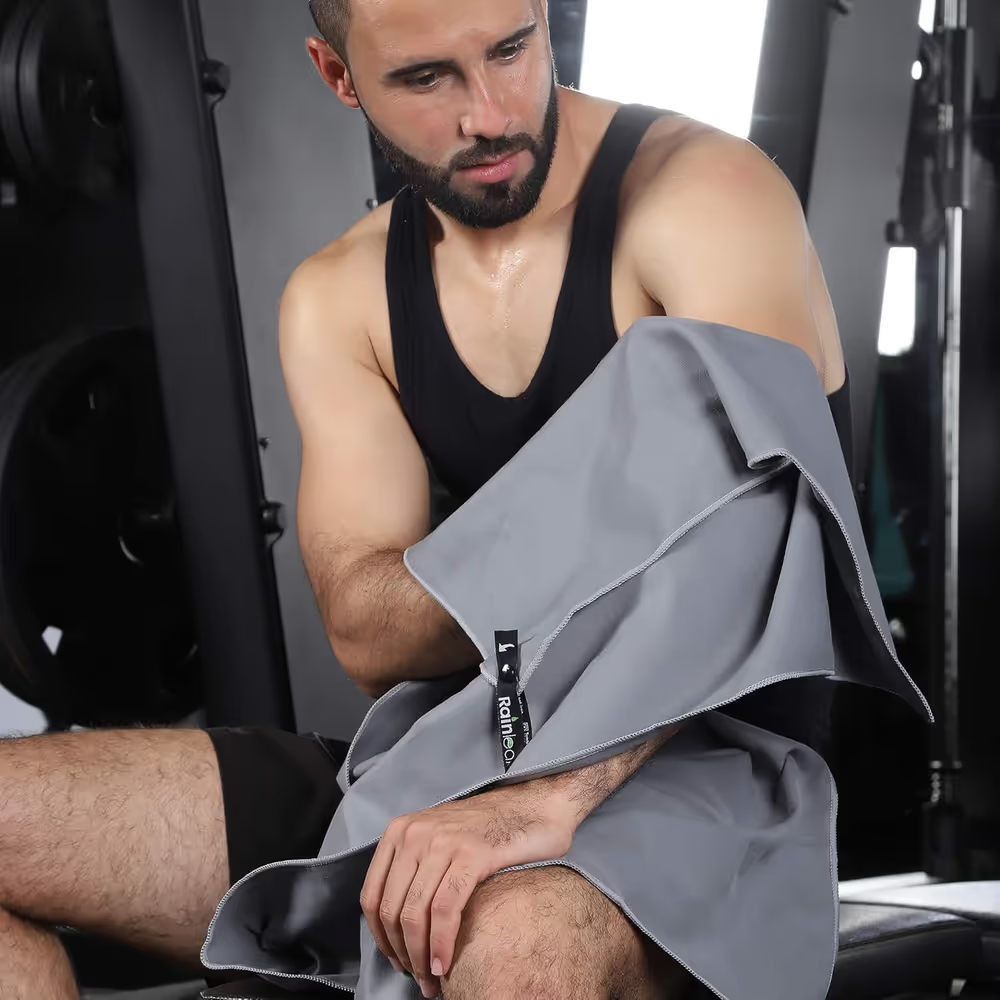
Rainleaf Microfiber Travel Towel

Product shot of Rainleaf Microfiber Travel Towel by Rainleaf
Best For Camp Hygiene

Tech Specs

Material
85% Polyester
Weight
156g (Large)
Drying Time
Fast
Size
Many Options
Absorbs 5x its weight. Dries in minutes. Under $15.

A proper travel towel is a mandatory piece of hygiene gear for multi-day bikepacking, and the Rainleaf microfiber model is the most efficient budget option available. Unlike traditional cotton towels that stay damp for days and weigh a ton, this microfiber fabric absorbs five times its weight in water and can be wrung almost bone-dry by hand, allowing it to fully dry in the wind while strapped to your saddle bag. This high-quality gear is designed specifically for the rigors of multi-day bikepacking adventures across varying terrain. It represents a solid investment for anyone looking to build a reliable and ultralight setup without compromising on essential features or durability.

Read the full review

The integrated snapping hang loop is a simple but vital feature, allowing you to secure the towel to a tree branch or your bike's rear rack without needing clothes pins. It packs down into its own mesh carry bag that is roughly the size of a large orange, making it a low-bulk addition to your seat pack that provides essential comfort after a rainy ride or a hidden trail-side river dip. This high-quality gear is designed specifically for the rigors of multi-day bikepacking adventures across varying terrain. It represents a solid investment for anyone looking to build a reliable and ultralight setup without compromising on essential features or durability.

Full review, score breakdown & specs

The Verdict

Dries fast, weighs nothing, and lasts for years. Buy one.

GravelPacker score How we score
4.5/5
Durability
4.5
Performance
4.5
Usability
4
Value
5
  • Very fast-drying
  • Integrated snap loop
  • Compact mesh bag
$12.99
At time of review
Buy on Amazon

The Good

  • + Very fast-drying
  • + Integrated snap loop
  • + Compact mesh bag
  • + Suede-like feel
  • + Antibacterial finish

The Bad

  • Microfiber feels weird
  • Collects dirt/grass
  • Not very plush

Also rated

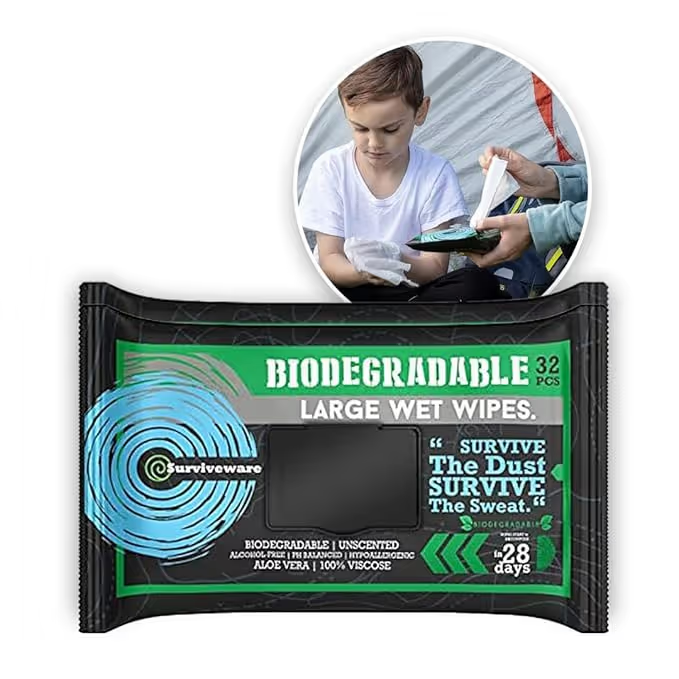
4. Surviveware

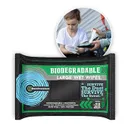
Surviveware Biodegradable Shower Wipes

4.1 /5

On a route where water is scarce, washing with it is not an option, and a body wipe is the difference between a tolerable second night and an unpleasant one.

Type
Biodegradable body wipes
Size
Large, body-sized
Pack
Resealable
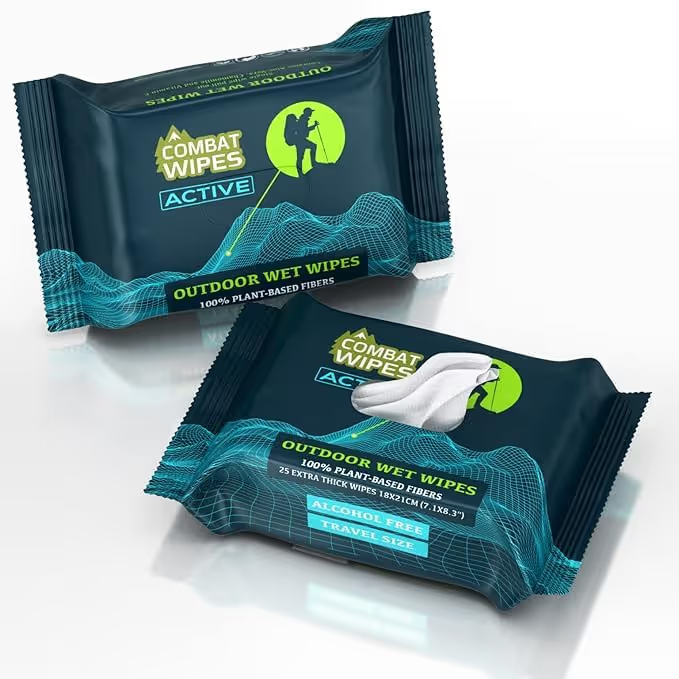
5. Combat Wipes

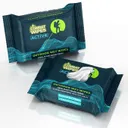
Combat Wipes ACTIVE Outdoor Wet Wipes (2-Pack)

4.1 /5

Thickness is the specification that separates wipes, because a thin one tears and you use three where one should have done.

Pack
Two packs
Type
Extra thick, biodegradable
Added
Aloe and vitamin E
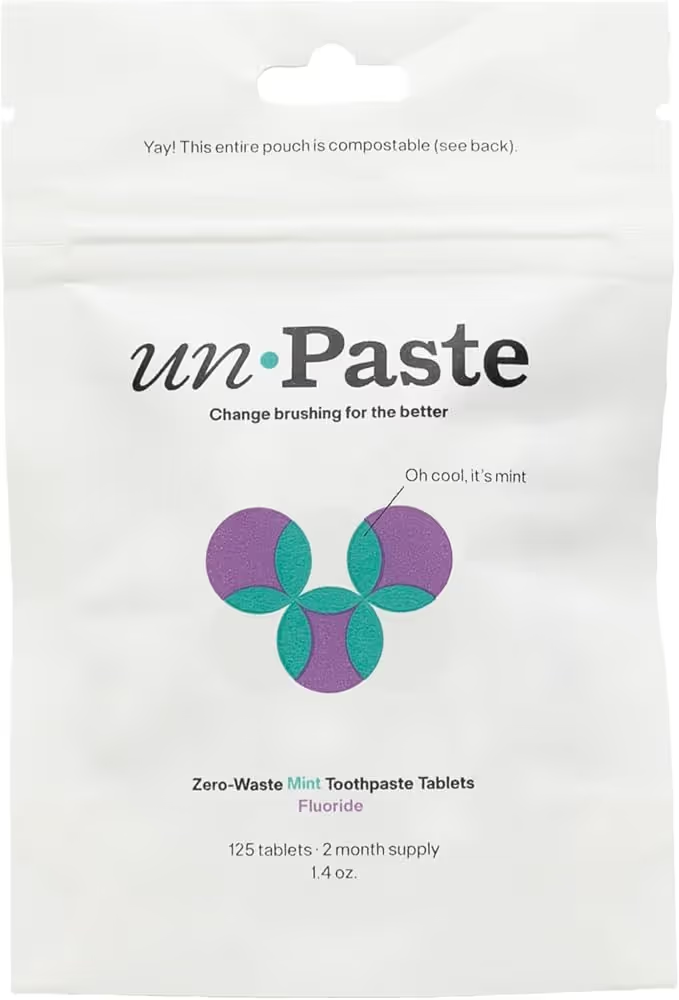
6. Unpaste

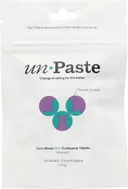
Unpaste Fluoride Toothpaste Tablets (125ct)

4.1 /5

Tablets remove the water and the tube from toothpaste, which on a bike is the entire point, and the fluoride stays.

Count
125 tablets
Fluoride
Yes
Packaging
No tube, no liquid
7. Fit-Flip

Fit-Flip Microfibre Travel Towel

4.0 /5

A microfibre towel is one of those items you don't think you need until you're standing soaking wet at a campsite with nothing to dry off with.

Material
Microfibre
Dimensions
100 x 50 cm
Weight
~100g
$14.99 Trail Hygiene
Read the review

The Fit-Flip towel dries you off in seconds and then dries itself within an hour, even in humid conditions. It packs down to the size of a small fist, taking up almost no space in your frame bag. The 100 x 50cm size is generous enough for a full-body dry without feeling like you're using a flannel. This high-quality gear is designed specifically for the rigors of multi-day bikepacking adventures across varying terrain. It represents a solid investment for anyone looking to build a reliable and ultralight setup without compromising on essential features or durability.

The fabric has a slightly different feel to a regular towel (less fluffy, more smooth), but it absorbs water far more effectively for its weight. It comes with a snap-loop for hanging it off your bike to air dry while you ride, which is a thoughtful touch. After a river dip or a sweaty day in the saddle, this towel earns its tiny space in your kit. Machine washable and surprisingly durable across multiple seasons of use.

What works

  • · Ultra-compact pack size
  • · Rapid drying fabric
  • · Generous 100x50cm size

What doesn't

  • · Not as soft as cotton
  • · Can smell if not aired
  • · Clips can break
Buying Advice

What to look for

Four decisions, and the first one is not really optional.

1. Chamois cream is the one that matters

Saddle sores are friction plus moisture plus time, and they are almost entirely preventable. On day one you will not need it. By day three the riders who skipped it are the ones shortening the route. Apply it every morning, to clean skin and a rinsed pad.

2. Decant everything

An 8oz tub of chamois cream and an 8oz bottle of soap is most of a kilogram of packaging and product you will not use. Small screw-top pots and a 60ml dropper bottle turn the same kit into something that disappears into a corner of a seatpack.

Related Read

Staying Clean on a Multi-Day Trip

The three things that actually matter for hygiene on the bike, what causes saddle sores, and a wash kit that weighs under 200 grams.

3. Soap or wipes depends on water, not preference

Where water is plentiful, castile soap and a cloth beats wipes on weight, cost and waste. Where water is carried and rationed, washing with it is indefensible and wipes are the only sensible answer. Most riders end up carrying both and using one.

4. Biodegradable does not mean bury it

Castile soap breaks down in soil, not in a stream, so washing happens sixty metres from any watercourse with carried water. Wipes take months and get dug up long before that. Both get packed out.

Methodology

How we chose

A desk selection from published specifications and owner reports. GravelPacker does not run a test lab, so what follows is an assessment of what each item replaces and how well the reports say it holds up.

1. What one item removes from the kit

Anything that does one job is weighed against something that does three. Castile soap scores well here because it replaces a body wash, a dish soap and a detergent, which is three containers removed from a bag with no spare room.

2. How it decants

A product sold in a size no rider would carry is assessed on whether it survives being moved into a smaller container. Creams and liquids do, and anything that depends on its own dispenser does not.

3. Skin reactions, from the one- and two-star reviews

For anything applied to skin that has spent a day in a damp chamois, the negative reports are the useful ones, and they cluster around fragrance and preservatives rather than around performance.

4. Packaging failures

Lids that open in a bag ruin more than themselves. Reports of leaking tubs and split pouches carry more weight here than they would for kit that travels in a car.

Q&A

Frequently Asked Questions

Do I really need chamois cream for bikepacking?

From about day two onwards, yes. Saddle sores are the single most common reason multi-day trips get cut short, and they come from friction on skin that stays damp. A fingertip of cream each morning on clean skin prevents most of it, and once a sore has started nothing you carry will fix it on the road.

Can I wash in a stream if my soap is biodegradable?

No. Biodegradable means it breaks down in soil, where microbes act on it, not in water. Carry water at least sixty metres from any stream or lake, wash there, and scatter the greywater. Washing directly in a watercourse is the most common misuse of camp soap.

Soap or wet wipes for a bikepacking trip?

It depends entirely on water availability. Where there is water to spare, a few drops of castile soap and a microfibre cloth is lighter, cheaper and reusable. On a dry route where every litre is carried for drinking, wipes are the only defensible option. Many riders carry a small amount of both.

How much does a bikepacking wash kit weigh?

Under 200 grams if you decant. A 60ml bottle of soap, a small pot of chamois cream, a compact microfibre towel, a toothbrush and tablets. The mistake is carrying full-size containers, which turns the same kit into most of a kilogram.

What about the toilet side of camp hygiene?

A trowel, a dedicated bag for used paper and wipes, and hand sanitiser. Bury waste 15 to 20 cm deep and at least sixty metres from water and trails, and pack out everything that is not waste itself. Wipes never get buried, biodegradable or not.

How do I stop shorts smelling after three days?

Rinse the pad each evening with a few drops of soap and carried water, and hang them where air moves. It is the bacteria in a pad that is left damp overnight that causes both the smell and the sores, so this one habit does more than any product on this list except the cream.

Keep Riding

More Hygiene →
Reviewer

The GravelPacker Desk

GravelPacker is a research desk, not a test lab. We read the spec sheets, the long-run owner reports and the forum threads where things break, then score what survives that reading against a rubric we publish. We say so plainly because a review you can check is worth more than one you have to trust.