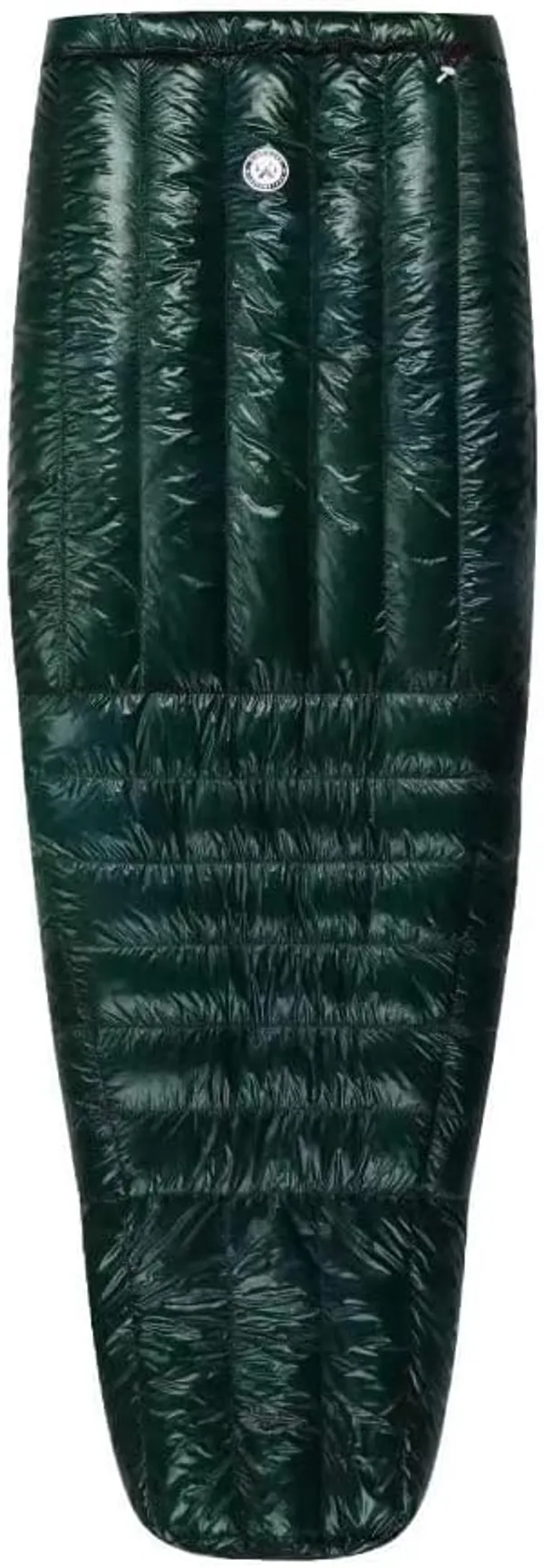
Sleep Systems
Aegismax Wind Hard Twilight vs Naturehike CW400
A 509 g 800FP quilt against a roomy 650FP bag about a third cheaper. Compared on warmth per gram, season range, shell, drafts and price.
Recovery happens while you sleep.
You can’t ride hard if you’re shivering all night. We compare sleeping pads and quilts on measured R-values, fill power and packed size — the numbers that decide warmth-to-weight.
We prioritize warmth and compressibility:
Our curated lists below cover the essentials.
A 509 g 800FP quilt against a roomy 650FP bag about a third cheaper. Compared on warmth per gram, season range, shell, drafts and price.
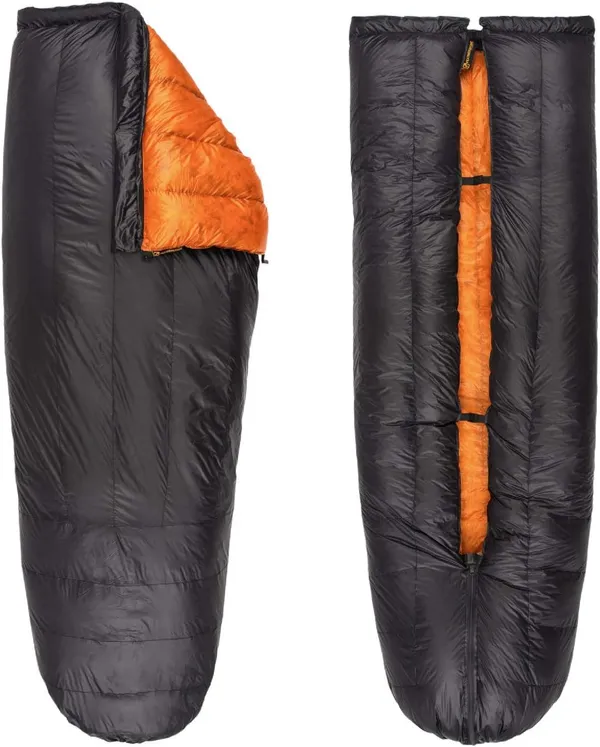
An 850FP quilt, a hooded down bag and a convertible hybrid compared on warmth per gram, drafts, packed size and price, and who should skip the quilt.
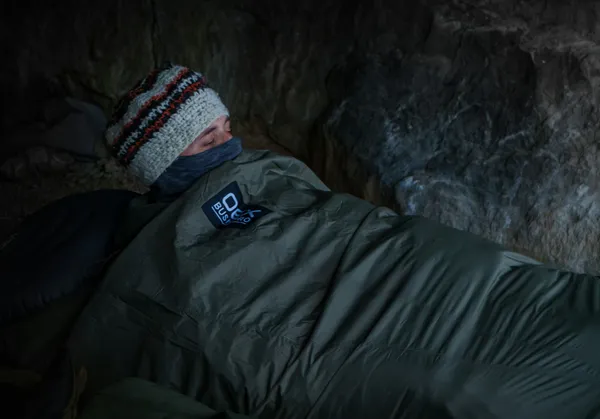
What a wet down quilt actually costs you overnight, how to dry one on the bike with no sun, and the point at which you should have brought synthetic.
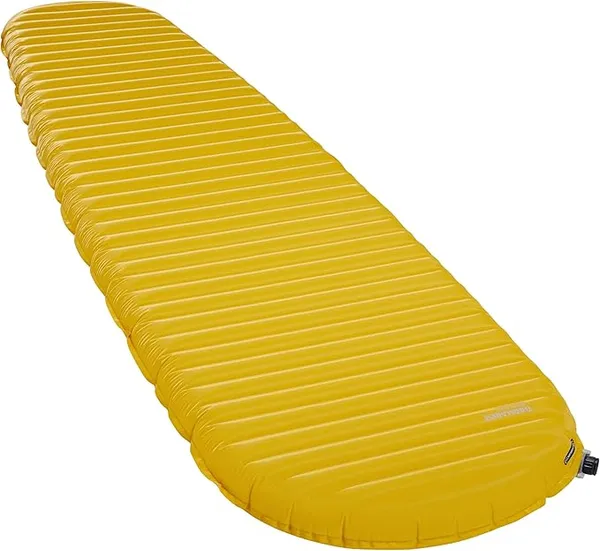
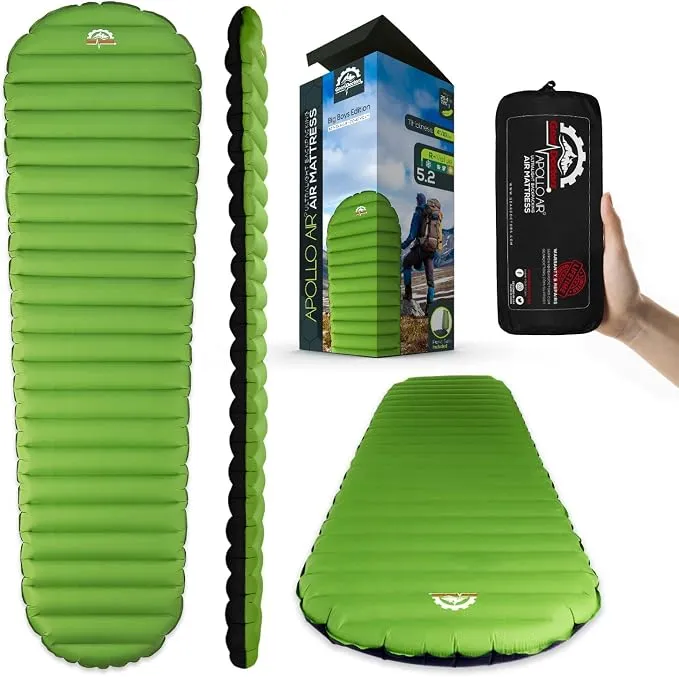
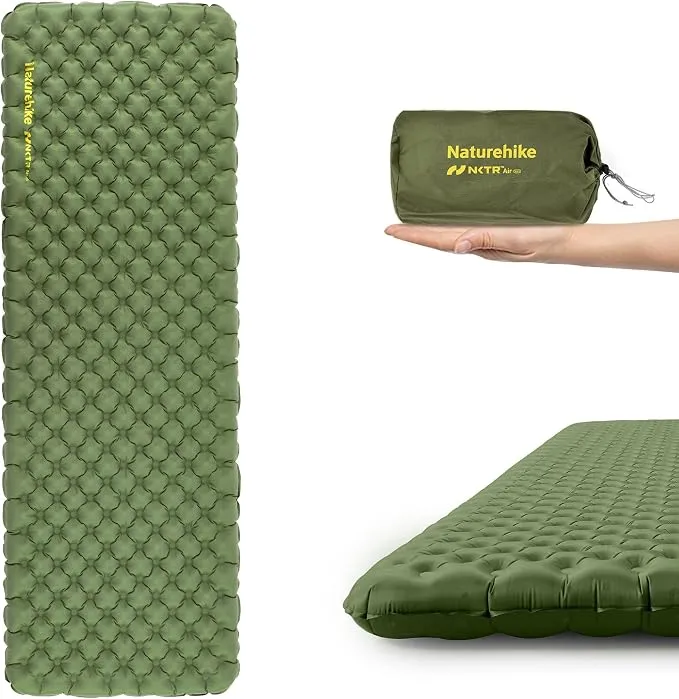
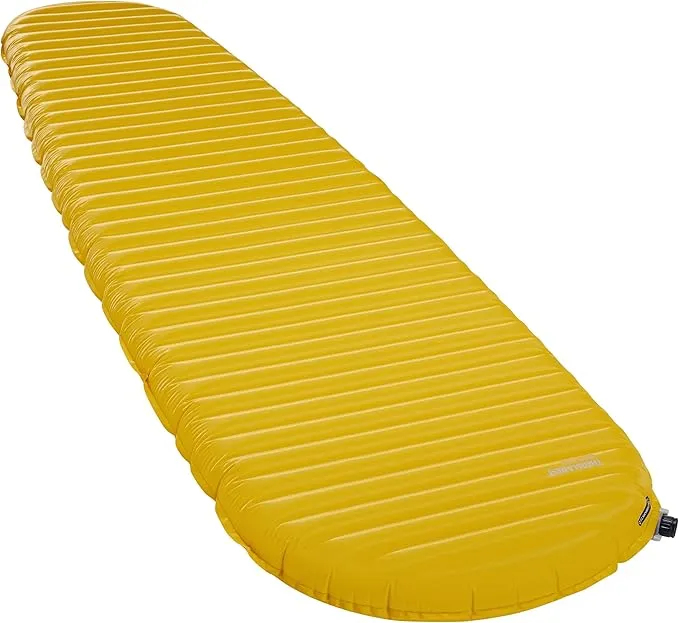
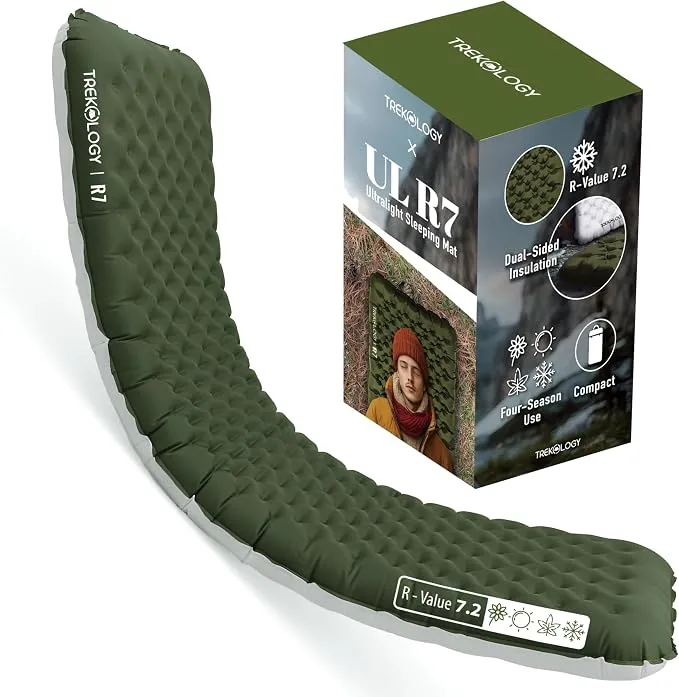
Eight sleeping pads from $40 to $229, judged on R-value, packed size and how they behave in a seatpack. The spec that matters is the one nobody reads.
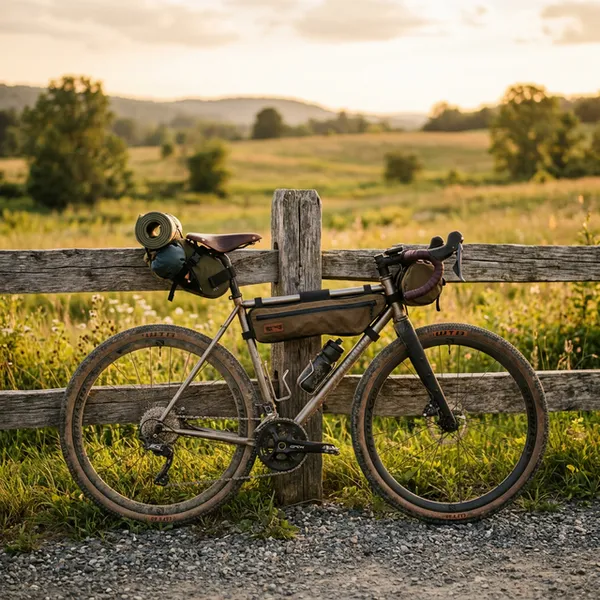
The quilts, bags and pads that pack down small enough for a seat pack and still get you through a cold night. Ten picks from ultralight to budget.

Two bags in our catalogue are rated to the same -5°C and cost within a dollar of each other. One weighs 950g and the other 530g. The difference is fill power, and this is what it is worth.
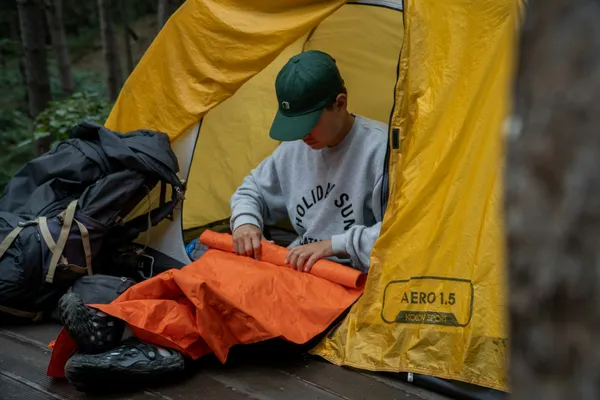
The budget pads in our catalogue sit at about R-2 or below. Several of the bags are rated to -6°C. Those two facts cannot both be true on the same night, and the pad is the one that decides it.

When the temperature drops below your quilt's rating, the 4 AM shivers are inevitable. Six ways to add real warmth to a bag that's underrated for the night you're having.
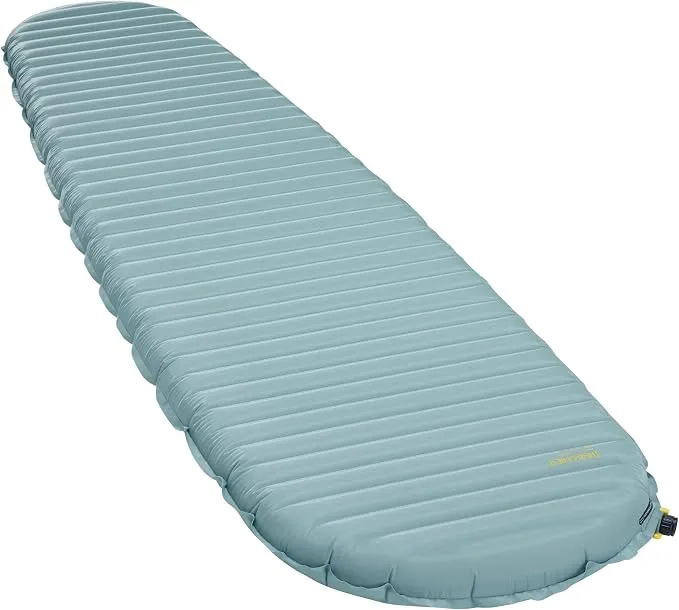
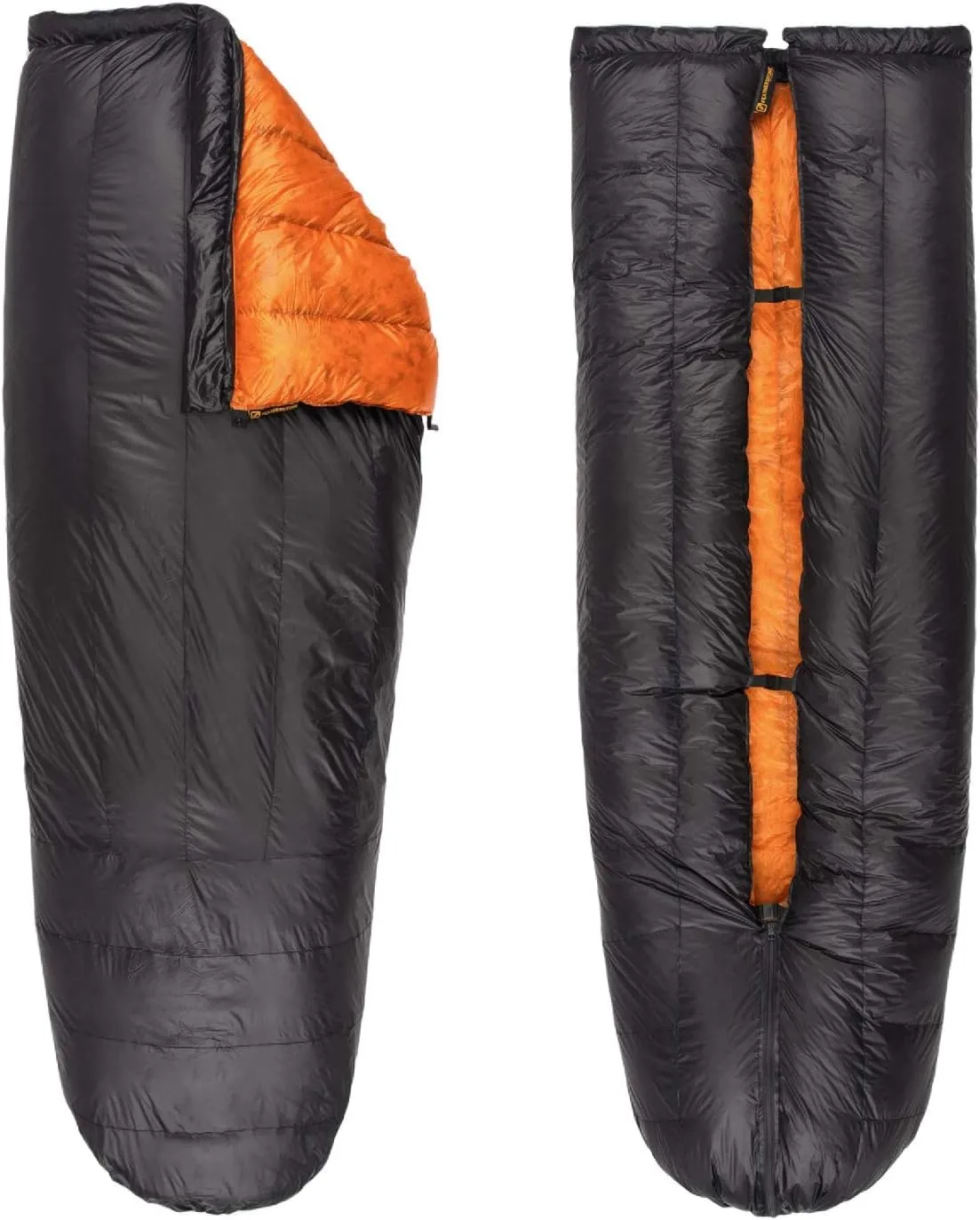
We re-check prices and picks quarterly. When a recommendation changes — or a product we rated well turns out not to last — you hear about it. No weekly digest, no gear-of-the-day.
By subscribing you agree we can email you when a recommendation changes. That is the only thing we use your address for. Unsubscribe in one click; we don't sell or share the list — see our privacy policy.