Navigation
iGPSPORT BSC500 vs Garmin Edge Explore 2: What Twice the Price Buys
Two touchscreen mapping units with three buttons each, one at about half the price. Rerouting, real battery figures and support record compared.

Editor
Louis runs GravelPacker and is accountable for what it publishes. He wrote the scoring rubric the product reviews are graded against and decides what ships. The pieces under his byline are the desk-research ones: comparisons and explainers built from spec sheets, owner reports and the rubric, not from a test lab.
Two touchscreen mapping units with three buttons each, one at about half the price. Rerouting, real battery figures and support record compared.
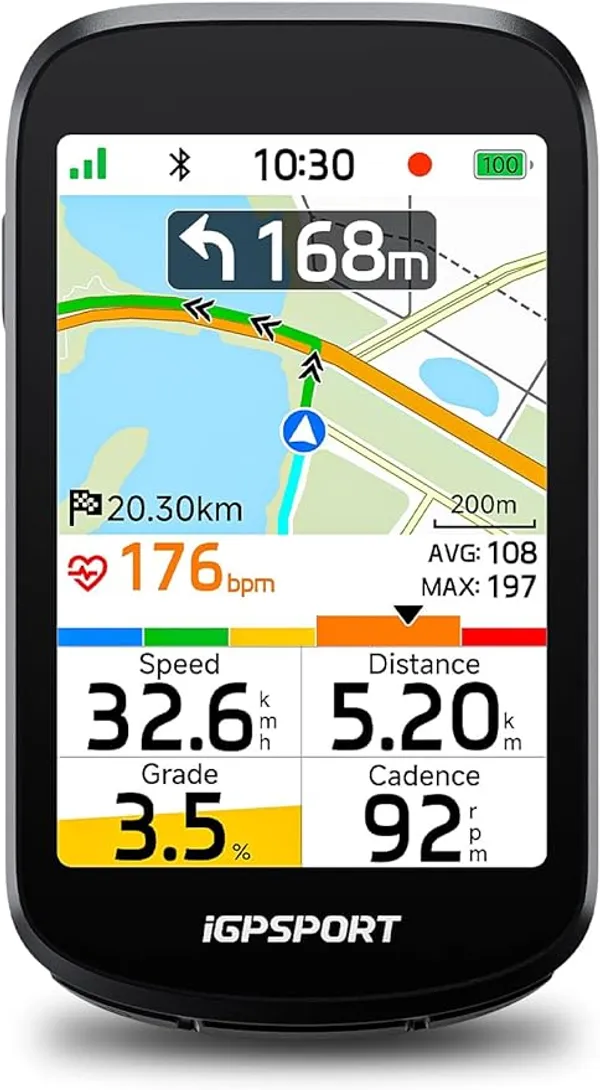
One reroutes, one shows a map but cannot reroute, one follows a line for under half the price. Specs from iGPSPORT, August prices and a clear pick.
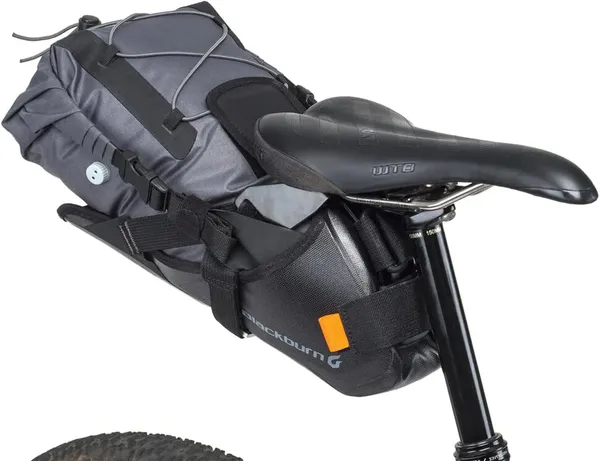
An alloy rail wing, a bolt-on brace and a stiff holster, compared on sway, clearance, fitting and hardware. Only one is built around a dropper post.
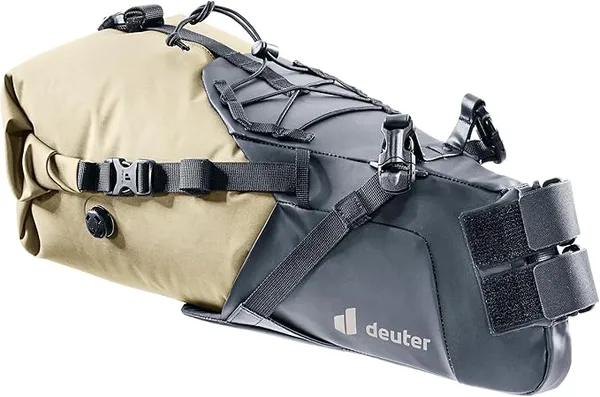
Three seatpacks between $80 and $140, the range where budget bags stop and premium starts. Two separate into a harness and a bag, one does not, and it shows.
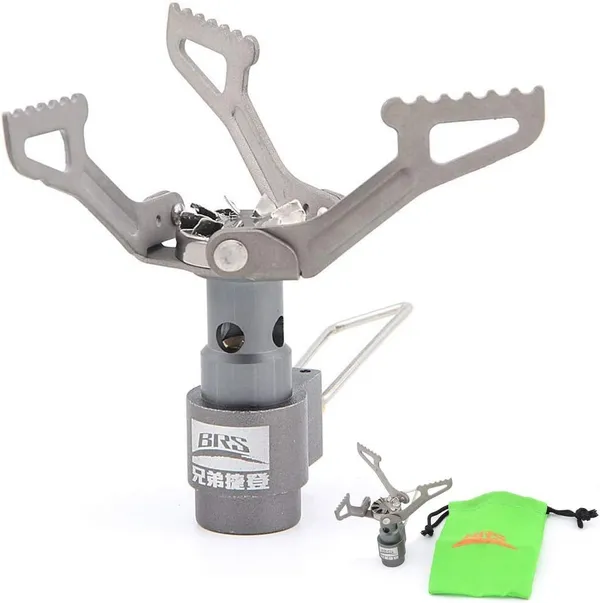
Three stoves from $17 to $130 judged on boil time in wind, pot stability, fuel economy and what each one costs you in grams. None is the answer for everyone.
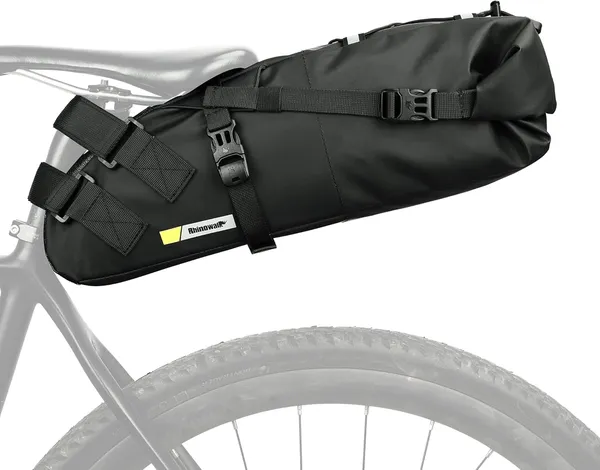
A 10 L Rhinowalk, a 3 L ROCKBROS and an 11 to 13 L KEMIMOTO compared on waterproofing claims, sway, clearance and owner reports. Only two carry overnight kit.
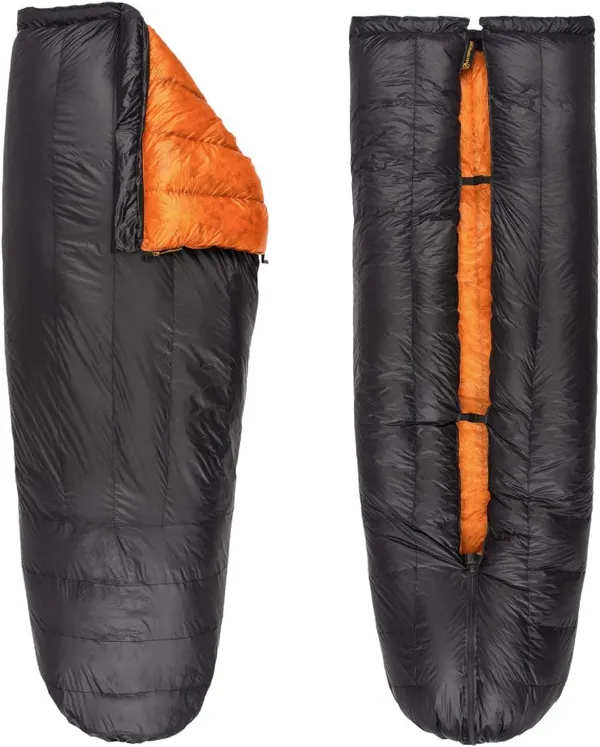
An 850FP quilt, a hooded down bag and a convertible hybrid compared on warmth per gram, drafts, packed size and price, and who should skip the quilt.
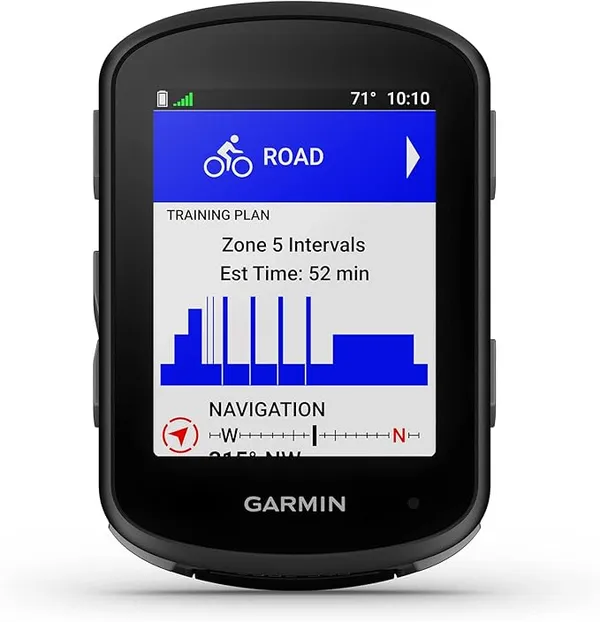
Three bike computers from $173 to $419 compared on battery under navigation, screen legibility, route handling and what you actually lose at each price.
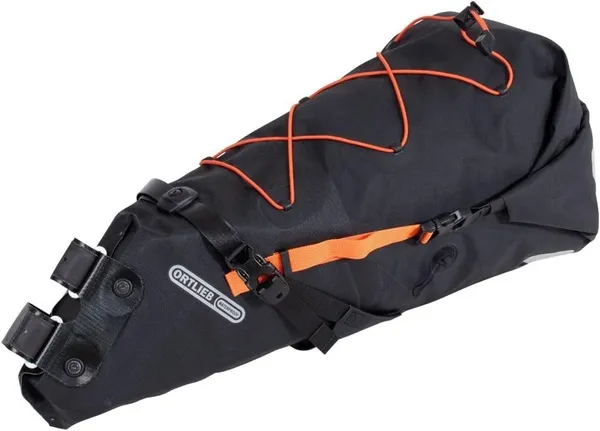
Three ways to carry the same kit, compared on capacity, handling, cost of entry and off-road tolerance. A winner on every axis, and a different one each time.
Three large seatpacks compared on sway, waterproofing, camp packing, tyre clearance, weight and price per litre. A winner named on every one.
Both score 4.4 and sit about $90 apart on Amazon US. The Ortlieb is lighter and fully welded, the Zefal is a harness plus a removable dry bag. Which one suits your bike.
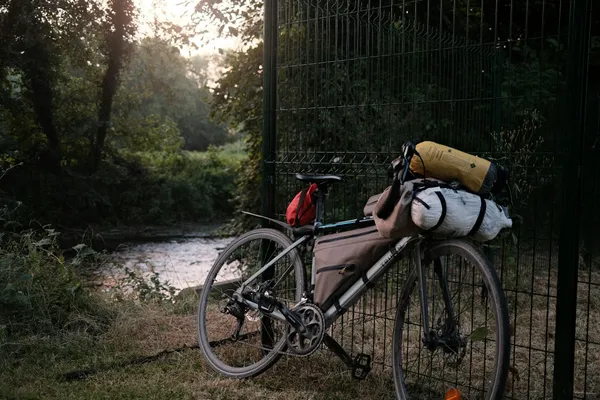
The MT900 down bag now sells as Simond and carries a lab-tested ISO rating. The bags are heavier and fussier to mount, and US stock is thin.
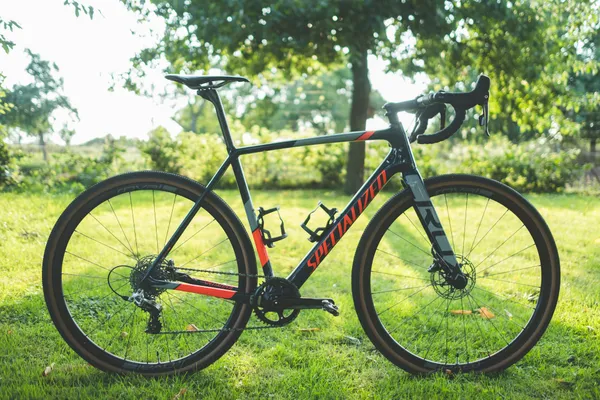
Widths by surface, a pressure starting point that accounts for your kit weight, and why the number on the sidewall is the wrong place to start.
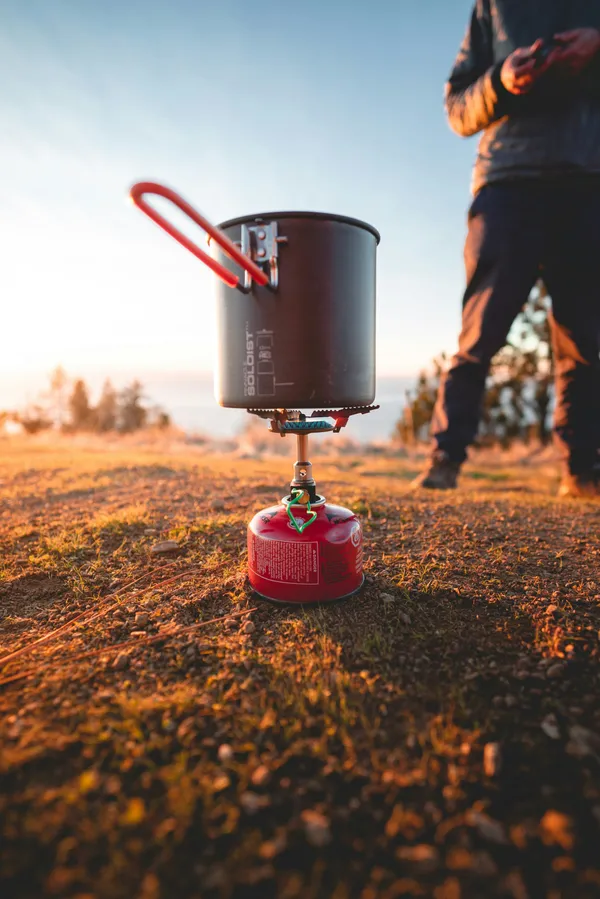
Grams and calories per day, why four days is the practical ceiling on a bike, and how to plan a route around resupply instead of hauling a week of dinners.
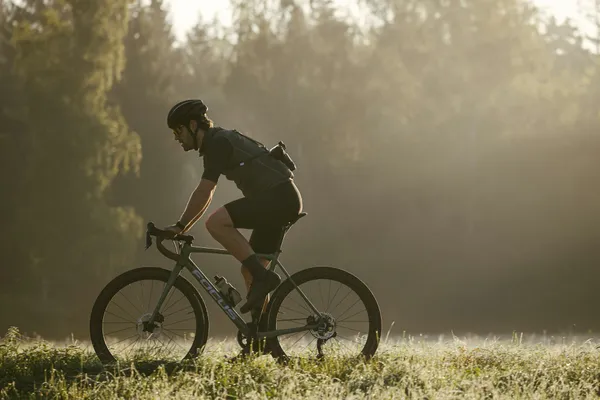
What a dropper actually buys you on loaded descents, what it costs in weight and seatpack compatibility, and the frame sizes where it is a bad idea.
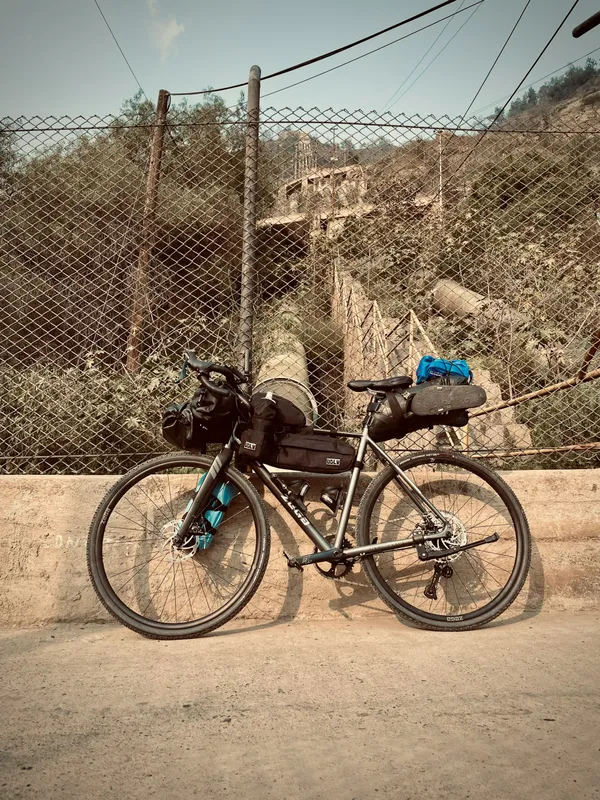
What a $30 bag gets right, what it gets wrong, and the three failure points that separate it from a $170 one. Fabric is not one of them.
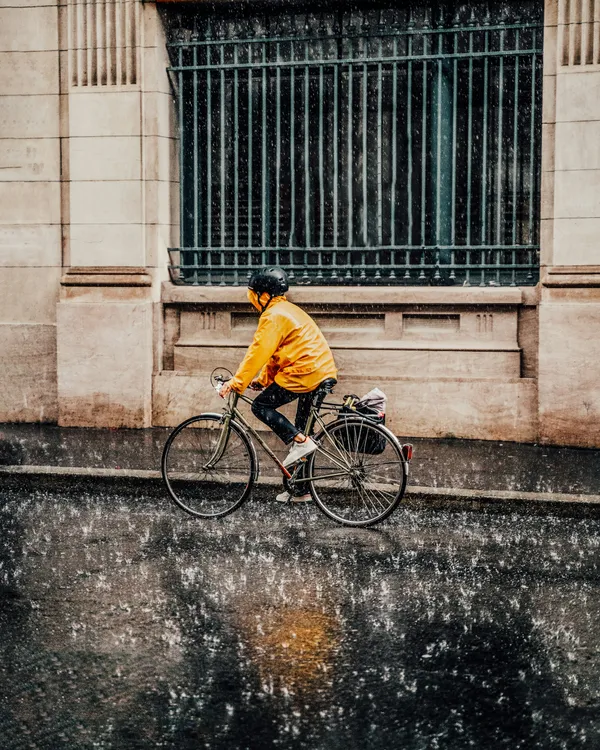
Most bikepacking bags are water resistant, not waterproof. What welded seams, roll-top closures and IP ratings actually mean, and what to do about it.
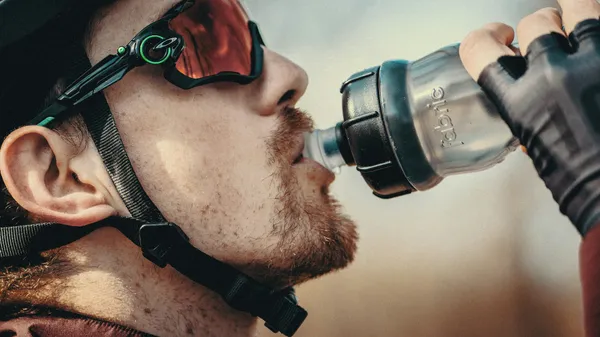
Litres per hour by temperature, how to size a carry to the gap between sources rather than to your bottle count, and the number that has no safety margin.
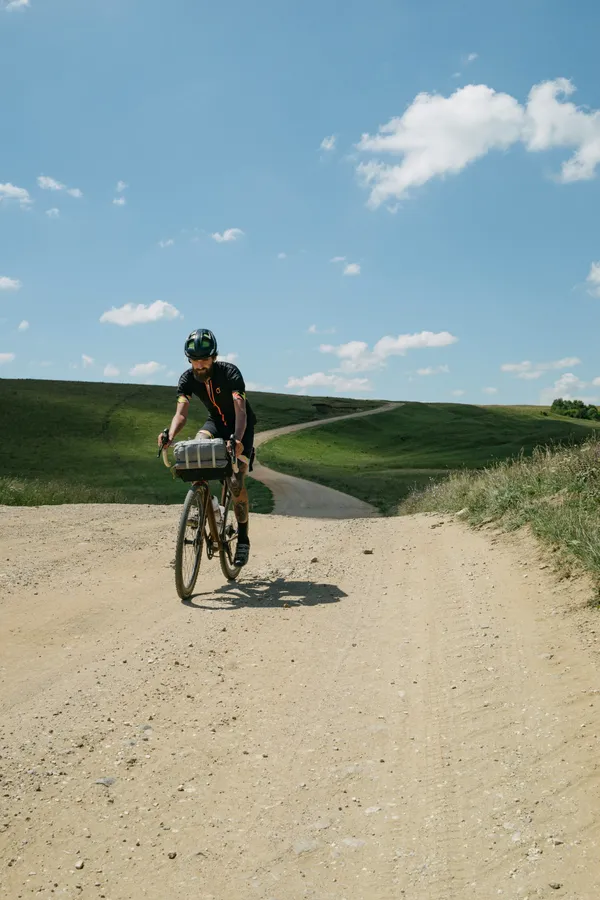
Litres by trip length, why a half-full big bag sways more than a packed small one, and the tyre clearance number that decides it for you.
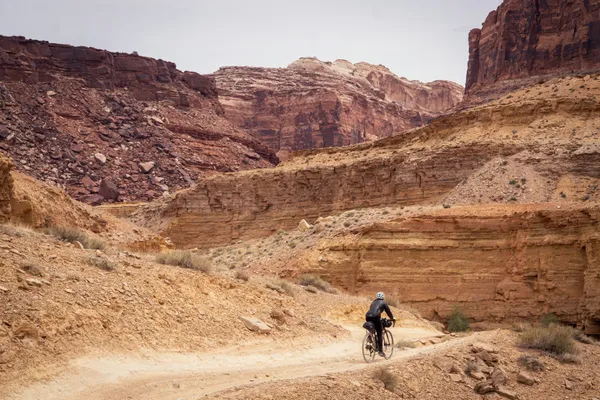
Real weights for a weekend bikepacking setup, where the kilos actually hide, and the point at which chasing grams stops making you faster.