Bags
Why Your Dry Bag Isn't Dry
Across 36 bags we have scored, 'waterproof' is written 17 different ways and only some of them are testable. Where the water actually gets in, and the two-second habit that fixes most of it.
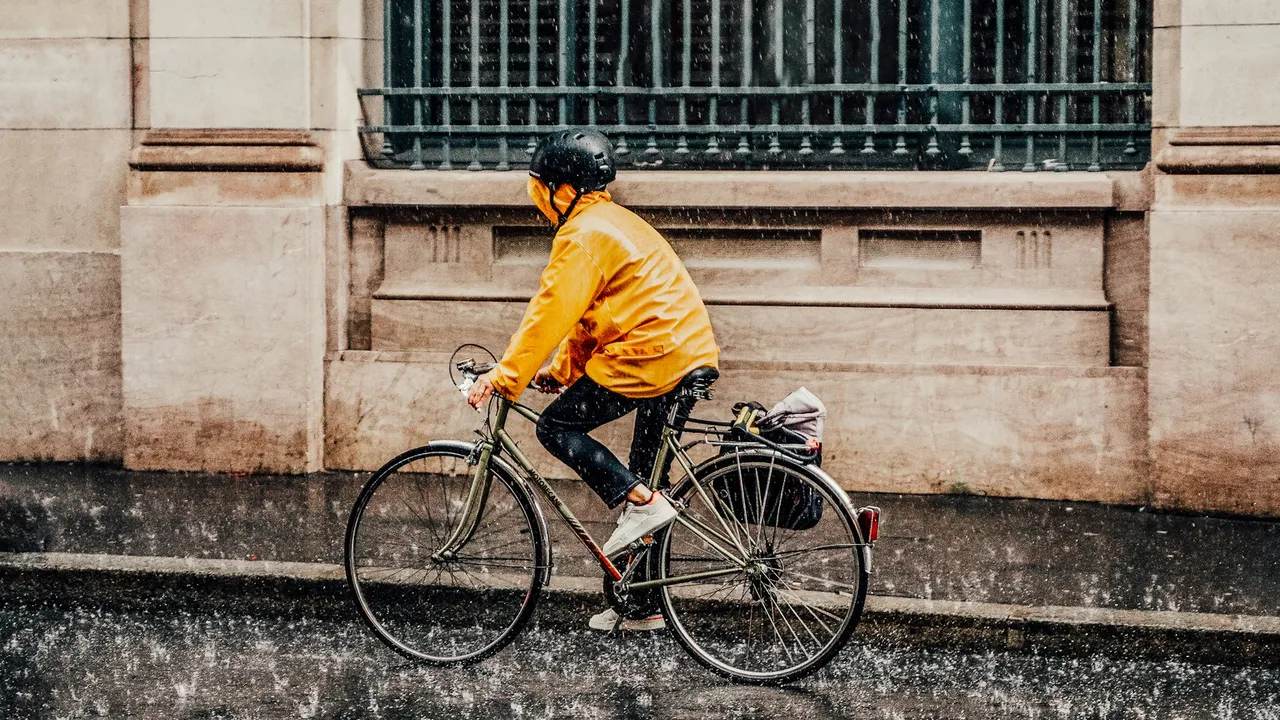
Three phrases appear on bikepacking bags and they mean different things.
Water resistant means it will handle an hour of light rain and then stop. Most bags at every price are this, including several that use the other two phrases.
Waterproof should mean the bag itself keeps water out with no help. In practice it is used for anything from a welded shell down to a coated fabric with a zip, and only the first of those deserves the word.
Includes a waterproof inner means the bag is not waterproof and the manufacturer has solved the problem by putting a dry bag inside it. This is an honest and effective approach and it is not the same product as the first one.
Two things, and neither of them is the fabric.
Welded seams. Stitching a bag puts a line of holes through the material. Taping covers those holes with a strip that flexes, abrades and eventually lifts, particularly on the underside where wheel spray lands. High-frequency welding bonds the panels instead, so there are no holes to seal and nothing to lift with age. This is the real difference between a 95 dollar bag and a 165 dollar one.
A roll-top closure. Every zip is a leak path, no matter how well coated. A roll-top with three or more turns and real compression is the only closure that reliably keeps water out, and its performance is entirely down to how you use it. The same bag closed with two lazy rolls is a different product from one closed with four tight ones.
Ortlieb Seat-Pack L vs Topeak BackLoader 15L vs Restrap 14L
Three large seatpacks compared on sway, waterproofing, camp packing, tyre clearance, weight and price per litre. A winner named on every one.
IPX7 is a real standard for electronics. Nobody is applying it to soft luggage under test conditions.
There is no certification body checking whether a bikepacking bag meets an IP claim, and no test protocol for a bag that flexes, gets stuffed, hangs in wheel spray and ages. The number on the product page is written by the same people writing the marketing copy.
Judge the construction instead. Welded or taped, roll-top or zip, and how the underside is built. Those three tell you more than any rating on the box.
Not through the fabric. Almost never through the fabric.
The underside of a seatpack goes first, because it takes continuous gritty spray off the rear wheel and that abrades the coating. Handlebar rolls fail at the end caps, where the closure geometry is hardest to get right. Frame bags fail at the zip, always, because a frame bag with a roll-top would be unusable.
Age is the other one. A three year old taped bag leaks where a new one did not, and it does so without any visible damage. If a bag that used to keep things dry has stopped, the tape has lifted somewhere you cannot see.
Assume nothing on your bike is waterproof and behave accordingly. This costs about 60 g and it is the whole answer.
Sleeping bag or quilt in a dry bag. Down layer in a dry bag, or the same one. Electronics in a zip-lock. Everything else can get wet without ruining anything, and pretending otherwise is where people overspend.
Then close your roll-tops properly, three turns minimum, every time, including the night you get to camp late and it has only just started raining. That is the step that actually decides whether your quilt is dry, and it is free.
What Size Seatpack Do You Actually Need?
Litres by trip length, why a half-full big bag sways more than a packed small one, and the tyre clearance number that decides it for you.
On a certified electronic device it means submersion to one metre for thirty minutes. On a soft bag it usually means the manufacturer wrote it down. There is no independent certification body checking IP claims on cycling luggage, so treat the number as marketing language rather than a specification.
Yes, and the difference shows up over time rather than immediately. A taped seam is a sewn seam with a waterproof strip over the needle holes, and the tape lifts with flex, abrasion and age. A welded seam has no needle holes to seal. A three year old taped bag leaks in places a new one did not.
Three, minimum, and four if the weather is serious. The waterproofing on a roll-top is entirely in the number of turns and the compression, not in the fabric. Two rolls and a loose buckle is the single most common way a genuinely waterproof bag ends up with wet contents.
For anything that ruins the trip if it gets wet, yes. A dry bag inside a waterproof bag is 30 to 60 g and it covers you against a torn shell, a badly rolled closure and an aged seam. Your sleeping bag and your down layer go in one. Your spare socks do not need to.
Usually, yes. Rain falls on the top of a bag, which is where the closures and the coated fabric are designed to cope. Wheel spray hits the underside continuously with grit in it, which abrades the coating and finds every seam. This is why the bottom of a seatpack fails before the top does.
Across 36 bags we have scored, 'waterproof' is written 17 different ways and only some of them are testable. Where the water actually gets in, and the two-second habit that fixes most of it.
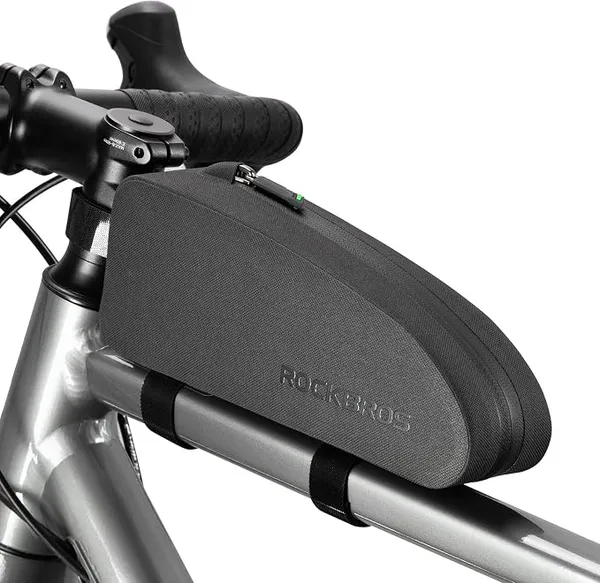
Four small bags that decide whether your kit is findable. Top tube bags, a dry sack and a wedge, judged on what they solve rather than capacity.
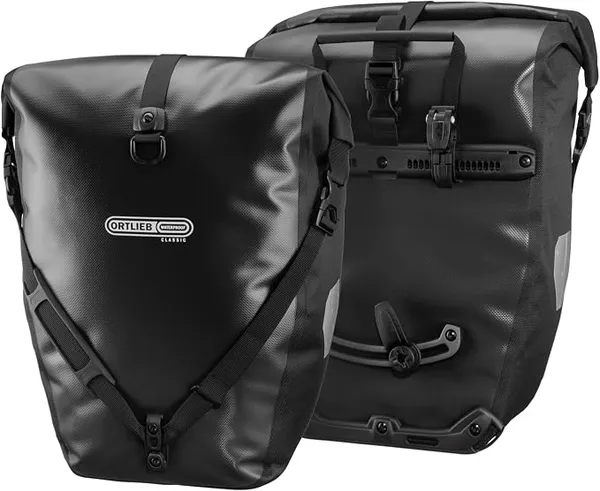
From Ortlieb Back-Rollers to 50L expandable budget sets, seven bike panniers and rack trunks compared for gravel touring, commuting and multi-day loads.

Louis runs GravelPacker and is accountable for what it publishes. He wrote the scoring rubric the product reviews are graded against and decides what ships. The pieces under his byline are the desk-research ones: comparisons and explainers built from spec sheets, owner reports and the rubric, not from a test lab.