Bags
Are Bikepacking Bags Actually Waterproof?
Most bikepacking bags are water resistant, not waterproof. What welded seams, roll-top closures and IP ratings actually mean, and what to do about it.
We list a waterproofing figure for 36 products. Between them, that single property is written seventeen different ways:
Fully Waterproof · Water-Resistant · Waterproof Inner · Waterproof Laminate · Waterproof Inner Bag · Yes · Yes (Dry bag) · Yes (Drybag) · Yes (Inner bag) · Yes (IP66) · Yes (IP64) · Yes (Air Purge Valve) · IPX4 · IPX4 Splash Proof · IPX6 · IPX7 · 4000mm
Twelve products say "fully waterproof". Seven say "water-resistant". The rest say something that sounds specific and mostly is not.
Of those seventeen phrasings, exactly two families describe a defined test: the IP ratings, and the hydrostatic head figure (4000mm). Everything else is a manufacturer's adjective.
IP ratings come from a standard, and the second digit is the water one:
Hydrostatic head (that 4000mm figure) is how tall a column of water the fabric holds before it seeps. 1,500mm is usually considered the threshold for "waterproof" in outdoor kit; 4,000mm is a serious tent floor number. It describes the fabric only and says nothing about seams or closures — which is where your kit actually gets wet.
In order of how often it is the cause:
The roll-top needs three complete folds. Not one, not two.
One fold is a crease. Two is a crease that holds its shape until the bag shifts on a rough section. Three folds press the closure faces against each other along their whole length and trap a small volume of air that resists water pushing in. That is the mechanism, and it is why the instruction is always three.
This single habit fixes more wet-kit incidents than any purchase. It also costs you volume — a genuine three-roll seal takes roughly 20% off the stated capacity, which is worth knowing when a bag's litre rating looks generous.
A welded seam is fused: two fabric faces bonded with heat or radio frequency, no stitch holes, no water path. A stitched-and-taped seam has needle holes with tape over them, and the tape is a consumable — it lifts at the corners, and flexing plus grit accelerates it.
This is the real content of "waterproof" versus "water-resistant" in most listings, and it is usually discoverable even when the listing is vague: welded seams are a manufacturing cost, so brands that pay for them say so.
A zip is a line of interlocking teeth. Waterproof zips exist, they are expensive, and they are stiff enough that budget bags do not use them. If a bag has a conventional zip and claims to be waterproof, it means water-resistant regardless of the word on the listing.
This is the single most reliable shortcut when reading a product page: zip closure means not waterproof. Roll-top means it might be.
Coated nylon and PVC tarpaulin do not let rain through in any realistic timeframe. If your fabric is leaking, it has been abraded through, or the coating has delaminated with age. Both are visible on inspection.
Something got wet. Work down this list:
Line it. A cheap roll-top liner inside your seat pack or bar bag makes the outer bag's rating irrelevant — the outer takes the abrasion and the mud, the liner keeps the sleeping bag dry.
This is also why the removable-dry-bag designs are worth their premium on long trips: they are the same idea, sold as one product.
The corollary is that you do not need to pay for a waterproof outer bag if you are going to line it anyway — which reframes a lot of the budget-versus-premium argument. Buy the bag with the better harness and put a $12 liner in it.
Rhinowalk vs Rockbros: Are the Amazon House Brands Different?
We have scored 16 bags across both brands. Their average scores differ by 0.08, but they are not interchangeable, and where they overlap the cheaper one wins.
How Many Litres Do You Actually Need? Bikepacking Bag Sizing
10L, 14L, 17L — bag capacity numbers mean less than they appear to. Here is how much volume a real setup needs, where it should sit, and why the biggest seat pack is rarely the right one.
Three complete folds, minimum. One or two folds do not create a seal — they create a crease that holds shape until the bag is jostled. Three folds trap air and press the closure faces together, which is what actually makes it watertight.
Construction, not degree. Waterproof normally means welded seams and a coated or laminated shell with no stitch holes in the water path. Water-resistant means a coated fabric with sewn seams — the fabric holds out water and the needle holes eventually do not.
More than the word waterproof does. IPX4 is splashing, IPX6 is jets, IPX7 is temporary immersion. Those are defined tests. A listing that just says waterproof has committed to nothing testable.
Sometimes. If the failure is at the seams, seam sealant on the inside works. If the coating has delaminated or worn through you cannot fix it usefully. The reliable answer either way is a liner — a cheap roll-top inside the bag makes the outer bag's rating irrelevant.
The closure first, then the seams, then the fabric — in that order and by a wide margin. Almost nobody's kit gets wet because rain penetrated the fabric panel. It gets wet because the roll was two folds instead of three, or because there is a zip.
Most bikepacking bags are water resistant, not waterproof. What welded seams, roll-top closures and IP ratings actually mean, and what to do about it.
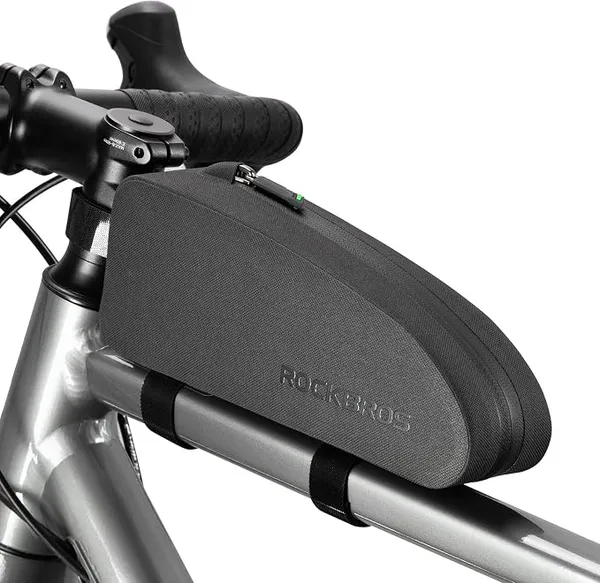
Four small bags that decide whether your kit is findable. Top tube bags, a dry sack and a wedge, judged on what they solve rather than capacity.
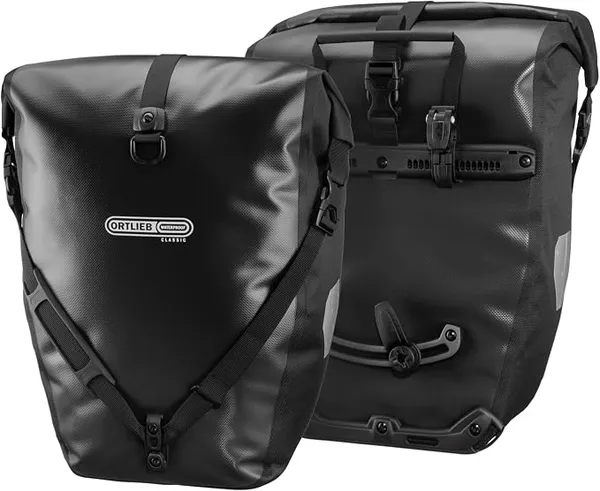
From Ortlieb Back-Rollers to 50L expandable budget sets, seven bike panniers and rack trunks compared for gravel touring, commuting and multi-day loads.

GravelPacker is a research desk, not a test lab. We read the spec sheets, the long-run owner reports and the forum threads where things break, then score what survives that reading against a rubric we publish. We say so plainly because a review you can check is worth more than one you have to trust.