Bags
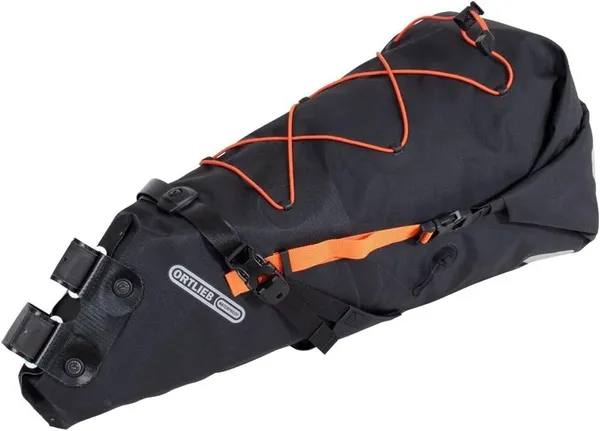
Ortlieb Seat-Pack L vs Topeak BackLoader 15L vs Restrap 14L
Three large seatpacks compared on sway, waterproofing, camp packing, tyre clearance, weight and price per litre. A winner named on every one.
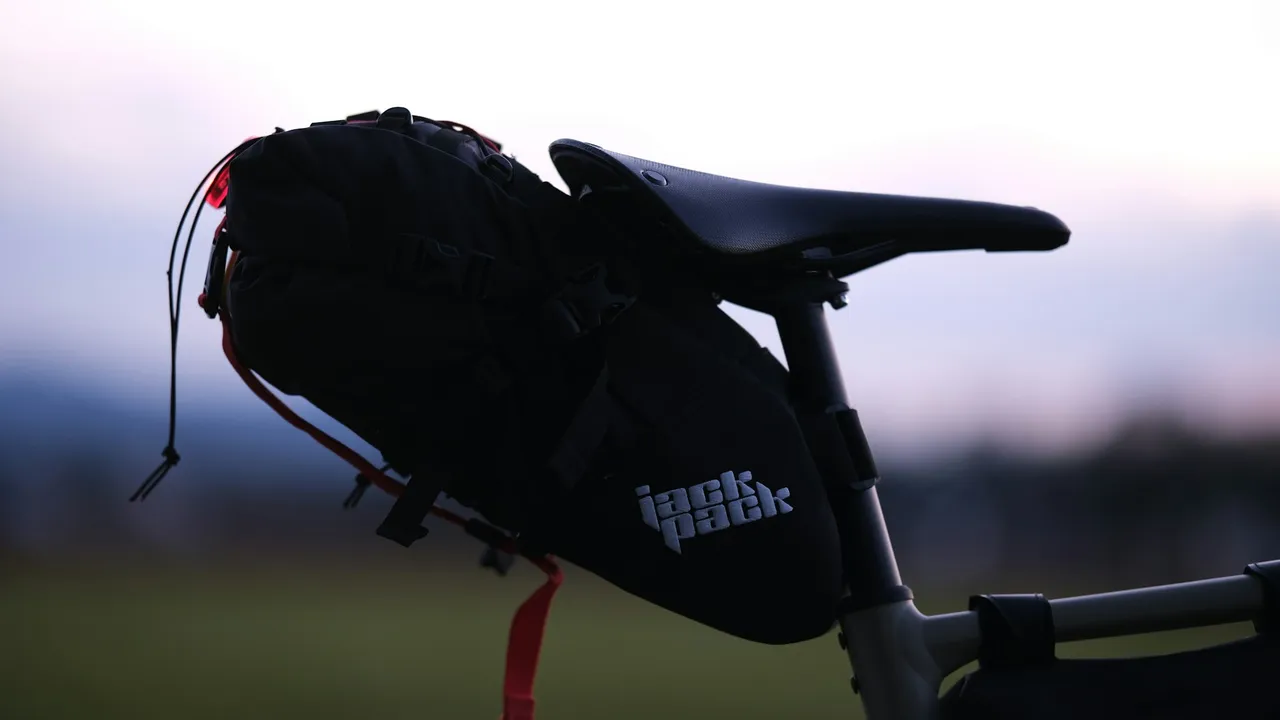
Bag capacity is quoted in litres because it is easy to print, not because it predicts anything useful about a setup. A 17-litre seat pack and a 10-litre seat pack carrying the same sleeping bag behave completely differently, and the smaller one usually behaves better.
Two things matter more than the number. The first is whether the bag is full, because a bag that is not full moves. The second is where the volume sits on the bike, because ten litres behind the saddle and ten litres inside the frame are not remotely the same ten litres.
Sizing well means starting from what has to be carried and where it should sit, then buying the bags that match. Starting from the bags is how riders end up with a huge seat pack that wags on every climb.
The bulkiest items on a bikepacking setup are almost always the sleeping bag, the mat and the shelter. Everything else is small by comparison, so those three set the capacity requirement.
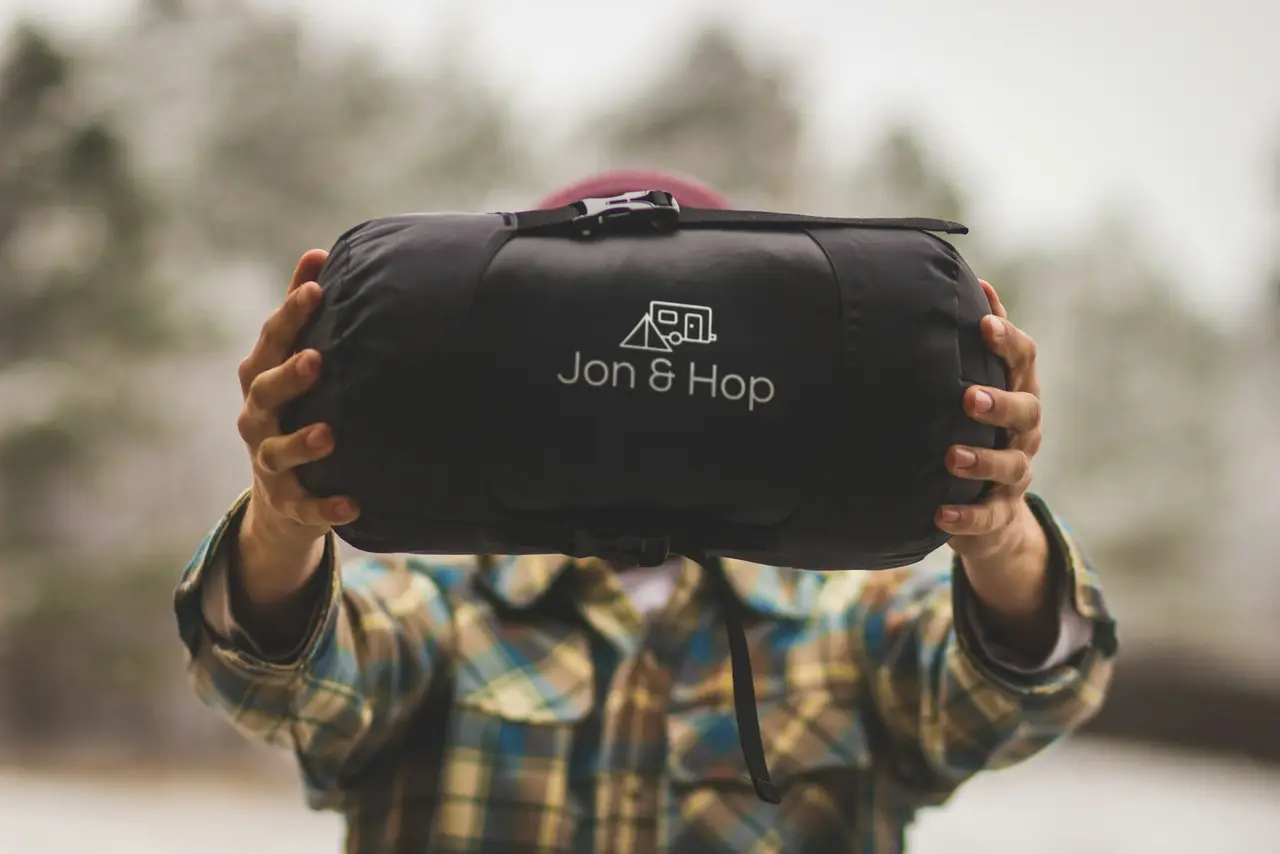
The practical way to find the number is to pack them. Stuff the sleeping bag as it will actually be carried, add the mat and the clothing that goes with them, and look at the resulting bundle. That volume, not a rule of thumb, is what the seat pack has to swallow.
The spread here is large. A compact summer quilt and a foam mat might occupy six or seven litres. A three-season synthetic bag and a bulkier mat can be double that. Two riders on identical routes can legitimately need very different bags, which is why capacity advice quoted as a single number is usually wrong for at least one of them.
Best Bikepacking Sleep System: 10 Bags, Quilts and Pads
The quilts, bags and pads that pack down small enough for a seat pack and still get you through a cold night. Ten picks from ultralight to budget.
A typical multi-day setup lands somewhere between 25 and 35 litres in total, but the split across the bike matters more than the sum.
The frame bag carries the dense things: tools, food, water, batteries. It is normally somewhere between four and eight litres depending on frame size, and it is the position where weight costs the least in handling.
The seat pack carries bulky light things, most often the sleep system. Common sizes run from roughly 8 to 17 litres, and this is the bag where oversizing hurts most.
The bar roll takes the remaining bulk — a shelter, or clothing — usually in the 5 to 15 litre range. Weight here slows the steering noticeably, so it wants volume rather than mass.
Small bags fill in the rest. A top tube bag and a couple of feed bags add two or three litres of genuinely accessible space, which is worth more per litre than anything else on the bike.
10 Best Bikepacking Saddle Bags (Large 10L+ Seatpacks) for 2026
Ten large bikepacking seatpacks compared on the thing that actually fails: the harness. Which 10L+ saddle bags resist tail sway, and which ones we would not put a loaded bag on.
The instinct to buy a larger bag "to have room" is the most reliable way to end up with a setup that handles badly.
A seat pack works by being packed to rigidity. Compression straps and a rolled closure turn a full bag into something that behaves almost like part of the bike. A half-filled bag has nothing to compress against, so it sags, and a sagging bag swings with every pedal stroke and rubs the tyre on rough ground.
Capacity behind the saddle also has a leverage problem. The further the load extends backwards, the more force it applies to the seatpost as the bike moves, and tail wag scales with that distance rather than with the weight alone.
There is a second, less obvious cost. A bag that can hold more will be filled, and the extra volume gets used on items that would not otherwise have made the trip.
Manufacturers quote roll-top bags at full extension, which is a volume that should not be used in practice. A roll-top needs three or four turns to be waterproof and rigid, and each turn eats into the stated figure.
Bags described as a range — "8 to 14 litres" — are being more honest than the ones quoting a single maximum. The useful number is the bottom of that range plus a little, because that is where the bag is properly closed and stable.
Shape matters as much as volume. A long narrow seat pack and a short fat one can quote identical capacity while fitting entirely different things and behaving entirely differently on the bike. Where possible, compare the dimensions rather than the litres.
Frame bag capacity is dictated by the bike, not chosen. A large frame may swallow eight litres in the main triangle; a small one might manage three, and a small frame with a sloping top tube less again.
This has a knock-on effect that catches people out. A rider on a small frame has less dense-load space, which pushes tools, food and water outward to the fork, the bars or the seat pack — all positions where that weight costs more in handling.
Smaller frames therefore benefit disproportionately from fork cages and a well-used top tube bag, and from being stricter about what gets carried at all. The right total capacity for a small bike is often lower than for a large one carrying the same kit, simply because there is nowhere good left to put the difference.
The order that works is to assemble the sleep system and the tool kit first, then measure, then buy bags to fit.
Reversing it — buying a full set of bags and then finding gear to fill them — produces the classic overloaded first setup: every bag on the market, all of them part empty, all of them moving.
A setup that starts smaller can always gain a bar roll or a pair of fork cages later. A setup built around an oversized seat pack cannot be fixed by packing it more carefully.
For an overnighter, yes, if the sleep system is compact. Ten litres holds a quilt or light sleeping bag, a mat and clothing when the rest of the setup carries the tools, food and water. It is not enough as the only bag on the bike for a multi-day trip.
The one that fits the sleep system, not the largest that fits the bike. Seat packs sway in proportion to how far the load sits behind the saddle, so a full 14L bag handles worse than a well-filled 10L. Measure the packed volume of the bag, mat and clothing first.
Around 25 to 35 litres covers most multi-day summer setups, split across a seat pack, frame bag and bar roll. Cold or wet conditions push it higher because insulation is bulky. Total volume matters far less than how it is distributed across the bike.
Treat them as approximate. Roll-top bags are usually quoted at maximum extension, which is a volume you should not actually use because the bag needs rolling down several turns to stay rigid. Assume the usable figure is meaningfully lower than the number on the label.
No. A partly filled bag sags, sways and rubs, and an oversized seat pack is the single most common cause of tail wag. Buy for the load that exists, and add a second bag later if the load genuinely grows.
Three large seatpacks compared on sway, waterproofing, camp packing, tyre clearance, weight and price per litre. A winner named on every one.
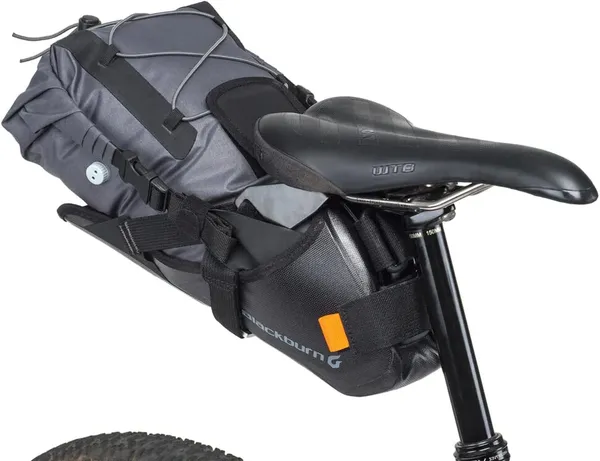
An alloy rail wing, a bolt-on brace and a stiff holster, compared on sway, clearance, fitting and hardware. Only one is built around a dropper post.
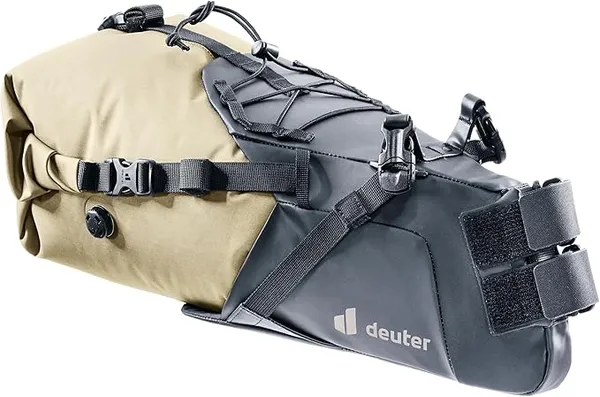
Three seatpacks between $80 and $140, the range where budget bags stop and premium starts. Two separate into a harness and a bag, one does not, and it shows.

GravelPacker is a research desk, not a test lab. We read the spec sheets, the long-run owner reports and the forum threads where things break, then score what survives that reading against a rubric we publish. We say so plainly because a review you can check is worth more than one you have to trust.