On this page

Best Bikepacking Sleep System: 10 Bags, Quilts and Pads

Packed size decides this category. A sleeping bag that fits a backpack will not fit a seat pack, and the 4am shivers are what happens when you buy on temperature rating alone and ignore what is under you.

Published August 3, 2026
Edited by Louis Raveton
When you purchase through links on our site, we may earn an affiliate commission. Here's how it works.
Hero image for Best Bikepacking Sleep System: 10 Bags, Quilts and Pads

A bike has less usable volume than a rucksack and worse places to put it. The sleep system is usually the largest single item you carry, so it sets the size of the bag you need for everything else.

Three things decide whether a setup works: packed volume, the pad's R-value, and whether the bag or quilt is honest about its rating. Most cold nights are the pad's fault rather than the bag's, which is why half this list is what you lie on.

Every product below has its own full review on this site, linked from each entry. We earn a commission on some links, and it has no bearing on what appears here or in what order.

Editor's Choice

  • Incredible value for money (RDS down)
  • True 0°C comfort rating (ISO tested)
  • Durable 20D fabric resists abrasion
$160
At time of review
Check price at Decathlon

Quick Comparison

Sort
Best for Ultralight Sleep
  • Insulation 800FP Goose Down
  • Weight 530g (1.17 lbs)
  • Limit_Temp -5°C (23°F)
  • Material iFlex 10D Nylon
Best for Alp Crossing
  • Weight ~722g (Regular G1)
  • Temperature_Rating 2°C Comfort / -2°C Limit
  • Fill 800FP Goose Down
  • Material iFLEX 15D Nylon
Best for Three Season
  • Fill 650 fill power down
  • Type Mummy, full-length zip
  • Season Three season
  • Packed Compresses into a supplied sack
Best for Summer Overnighter
  • Weight 770g
  • Temp_Rating 15°C - 30°C
  • Dimensions 83 x 30 in
  • Material Nylon / Polyester
Best for Ultralight Sleep
  • R_Value 4.5
  • Thickness 7.6 cm
  • Packed_Size 23 x 10 cm
  • Weight 370 g
Best for Summer Sleep
  • Weight 460g / 16.3oz
  • R_Value 1.3
  • Thickness 6.3 cm
  • Packed_Size 7.6 x 20.3 cm
Best for Sleep System
  • Thickness 10cm / 4in
  • Weight 560g / 19.7oz
  • RValue 1.6
  • Material 40D Nylon
Best for Ultralight Sleep
  • Insulation 850FP Goose Down
  • Weight ~580g (Regular/Regular)
  • Temperature 20°F / -6°C Limit
  • Material 10D Nylon
Best for World Touring
  • Weight ~630g (Regular/Regular)
  • Temperature_Rating -6°C (20°F) Limit
  • Fill 850FP Grey Duck Down (Standard)
  • Material 10D Nylon
Best for Cold Touring
  • Weight 950g (Size L)
  • Temperature_Rating 0°C Comfort / -5°C Limit
  • Fill Duck Down (85/15), 640 CUIN
  • Material 20D Polyamide

Our Recommendations

AEGISMAX // Best For Ultralight Sleep

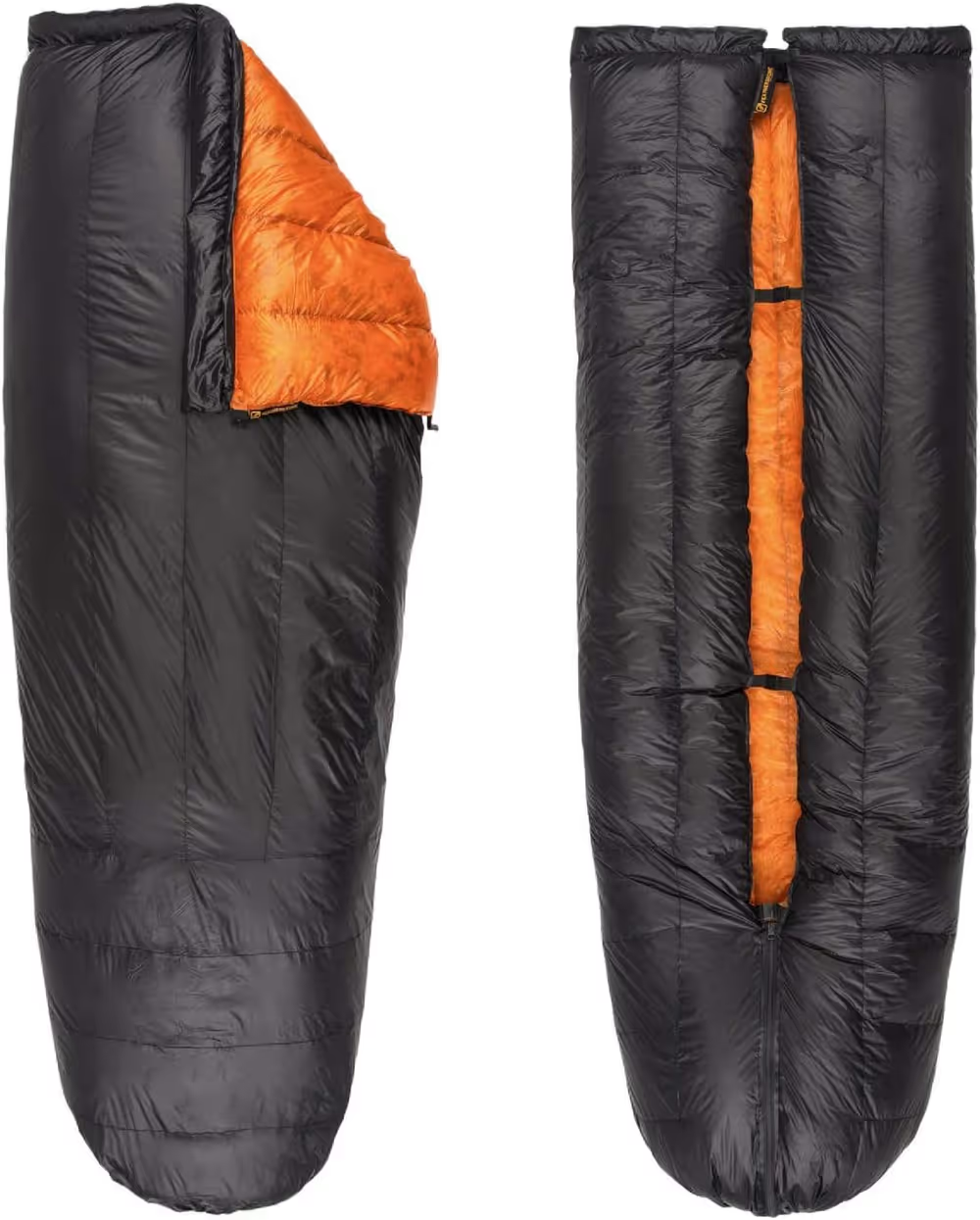
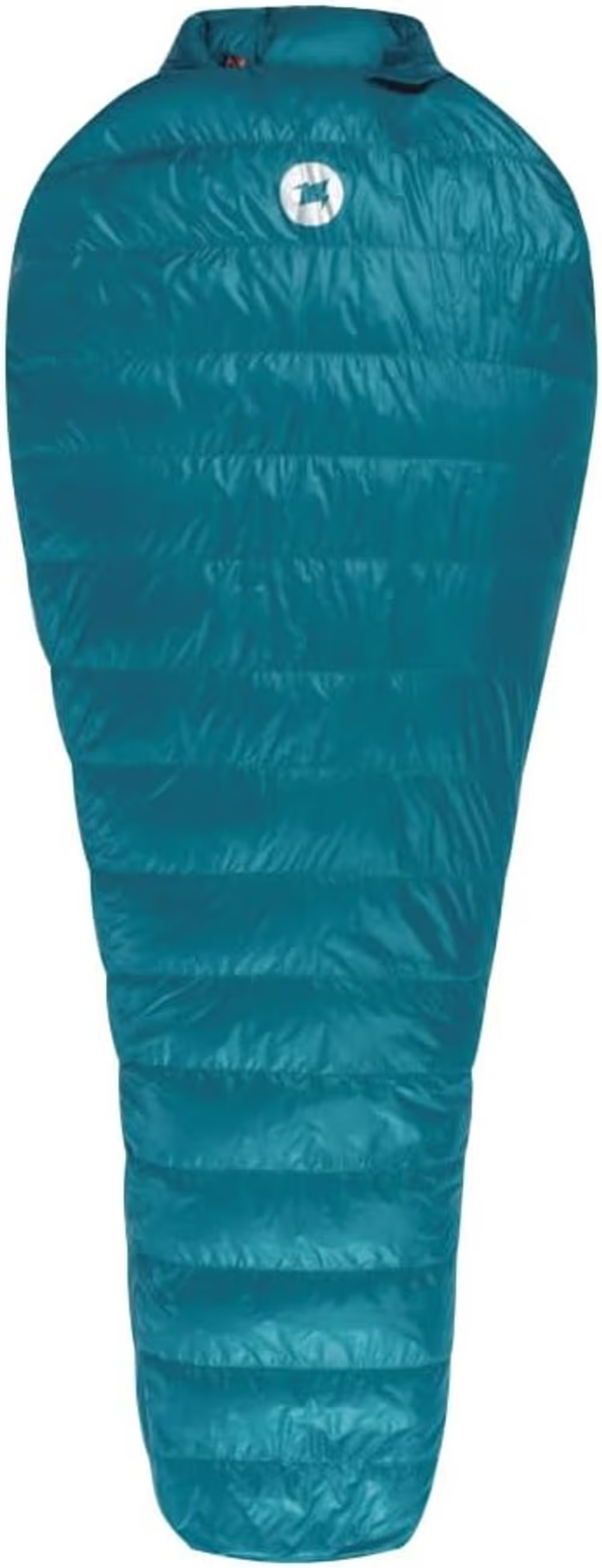
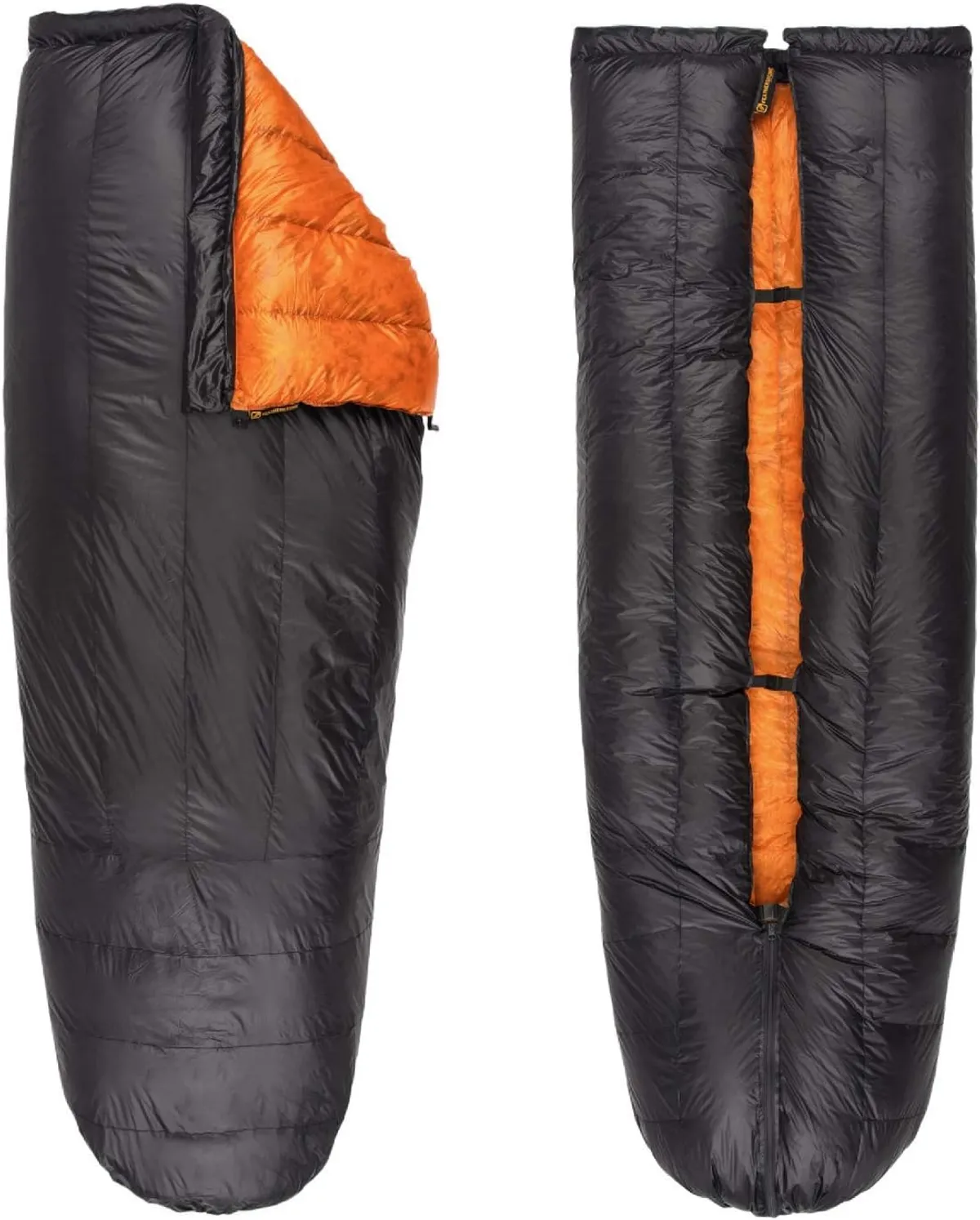
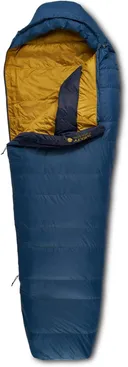
AEGISMAX Wind Hard Twilight 800FP Down Quilt

Product shot of AEGISMAX Wind Hard Twilight 800FP Down Quilt by AEGISMAX
Best For Ultralight Sleep

Tech Specs

Insulation
800FP Goose Down
Weight
530g (1.17 lbs)
Limit Temp
-5°C (23°F)
Material
iFlex 10D Nylon
Premium 800FP goose down in a sub-£50 package. The budget bikepacker's secret weapon.

Down sleeping bags at this price point used to be unreliable, but the Aegismax Wind Hard changed that. Filled with 800FP goose down, it offers a warmth-to-weight ratio that rivals bags costing three times as much. Its primary strength is packability: it compresses to roughly the size of a 1L water bottle, freeing up precious volume in your seat pack or handlebar roll. For reference, that is smaller than many synthetic sleeping bags that don't even come close to its warmth.

Read the full review

In standard testing, the comfort rating holds true down to around 5-10°C depending on the model and your personal cold tolerance, making it a reliable 3-season option for UK and European summer riding. The mummy cut is snug, which helps retain heat by keeping dead air space to a minimum, but toss-and-turn sleepers or those with broader shoulders may find it restrictive over a full night. The thin 15D nylon shell keeps the weight down but requires careful handling around sharp tent stakes and rough ground. Paired with a decent sleeping pad and a liner, this bag carries you comfortably through most overnighters from April to October.

Full review, score breakdown & specs

The Verdict

The best deal in the sleeping bag world. Genuine 800FP down for under £50 is borderline absurd.

GravelPacker score How we score
3.8/5
Durability
3.5
Performance
4
Usability
3.5
Value
4
  • 800FP goose down fill
  • Incredible pack size
  • Great warmth-to-weight
$159.00
At time of review
Buy on Amazon

The Good

  • + 800FP goose down fill
  • + Incredible pack size
  • + Great warmth-to-weight

The Bad

  • Thin 15D shell fabric
  • Snug mummy cut
  • Not suitable below 5°C
Aegismax // Best For Alp Crossing //
4.7 (5 ratings at the retailer)

AEGISMAX G Series Ultralight Down Sleeping Bag

Product shot of AEGISMAX G Series Ultralight Down Sleeping Bag by Aegismax
Best For Alp Crossing

Tech Specs

Weight
~722g (Regular G1)
Temperature Rating
2°C Comfort / -2°C Limit
Fill
800FP Goose Down
Material
iFLEX 15D Nylon
The AEGISMAX G Series (Twilight) represents a significant step up in comfort and durability while maintaining the extreme packability the brand is known for.

The G Series (often referred to as the Twilight) is AEGISMAX's premium tier, utilizing high-lofting 800-fill power white goose down. Unlike the ultra-stripped-back Nano series, the G series features a slightly more generous cut and a more substantial draft collar and hood design. This makes it a much more viable option for extended tours where sleep quality becomes as important as pack weight. The iFLEX 15D nylon shell is treated with a DWR coating, providing essential moisture resistance when camping in humid conditions or dealing with tent condensation.

Read the full review

On the trail, the G1 (the most common version in this series) delivers a comfort rating around 2°C, which handles most three-season bikepacking needs comfortably. The baffle construction is meticulous, preventing down migration and cold spots during the night. While it is more expensive than the entry-level Aegismax bags, the improved hood and zipper quality make it a much more reliable companion for multi-day expeditions. It still compresses to a size smaller than a two-liter bottle, fitting easily into most seat packs or handlebar rolls.

There is a real tension inside Aegismax's own range that the marketing does not resolve. The Wind Hard, which we cover in the minimalists guide, weighs 530g, is rated to -5°C, and costs $159. This G Series weighs around 722g, is rated to -2°C limit, and costs $169.57. Lighter, warmer, cheaper — on the numbers the Wind Hard wins outright.

The G Series answer is cut and comfort. A more generous shape, a substantial draft collar and a better hood are what turn a bag you survive in into one you sleep in, and after three consecutive nights that difference compounds in a way a temperature rating does not capture. If you are counting grams for a single hard night, buy the Wind Hard. If the trip is long enough that sleep quality determines how you ride the next day, the 190g is the best-spent weight in the kit.

Full review, score breakdown & specs

The Verdict

A high-performance mummy bag that balances weight and comfort perfectly. It's the ideal 'step up' for riders who want boutique specs without the boutique price tag.

GravelPacker score How we score
4.1/5
Durability
4
Performance
4.5
Usability
4
Value
4
  • Premium 800FP White Goose Down
  • Exceptional warmth-to-weight ratio
  • DWR treated 15D iFLEX shell
$169.57
At time of review
Available with Amazon Prime
Buy on Amazon

The Good

  • + Premium 800FP White Goose Down
  • + Exceptional warmth-to-weight ratio
  • + DWR treated 15D iFLEX shell
  • + Improved hood and draft collar design

The Bad

  • Still a slim 'mummy' cut
  • Premium price point for a budget brand
  • Zipper requires two hands to operate smoothly
Naturehike // Best For Three Season //
4.3 (179 ratings at the retailer)

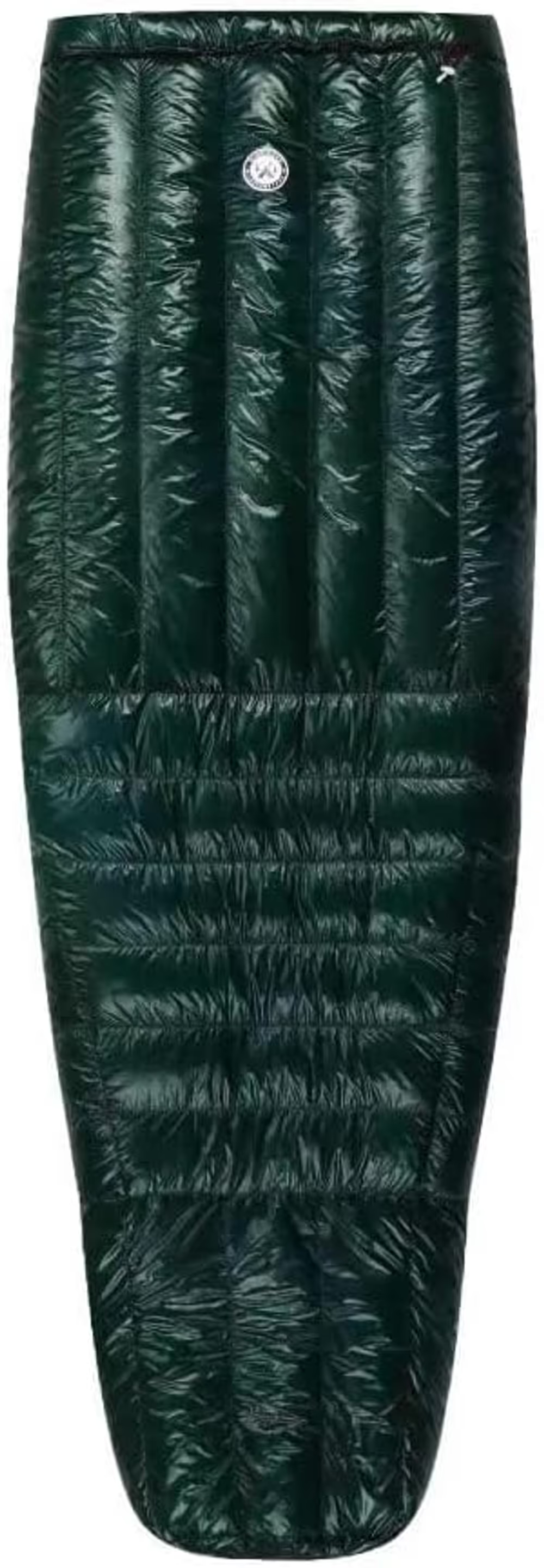
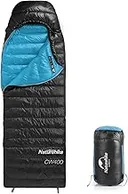
Naturehike Ultralight Down Sleeping Bag (650FP)

Product shot of Naturehike Ultralight Down Sleeping Bag (650FP) by Naturehike
Best For Three Season

Tech Specs

Fill
650 fill power down
Type
Mummy, full-length zip
Season
Three season
Packed
Compresses into a supplied sack
Real down at a third of the western price, with the fill power to match the gap.

Fill power measures the loft a given weight of down produces, which is what actually traps heat. At 650 this is a genuine step below the 800 and 850 fill used in premium bags, and the practical consequence is that reaching a given warmth takes more down, which means more weight and more packed volume for the same comfort rating.

Read the full review

On a bike the volume matters more than the weight. A 650 fill bag compresses to noticeably more than an 800 fill one at the same rating, and in a seatpack already holding a tent and food that difference is real. It is the honest cost of the price gap rather than a defect.

What you get for the money is real down rather than synthetic, from a brand with a long enough record in budget outdoor gear to be predictable. A hundred and thirty dollars for a down bag is roughly a third of what an Enlightened Equipment or Therm-a-Rest equivalent costs.

With 179 owner reports the picture is reasonably settled and consistent: the loft is as described, the shell is thin and needs care against abrasion, and the zip is the component that draws the most complaints. None of those are surprises at this price.

Full review, score breakdown & specs

The Verdict

Good value down for three-season use. The 650 fill power is where the money is saved, and on a bike that shows up as packed volume more than weight.

GravelPacker score How we score
4.0/5
Durability
3.5
Performance
4
Usability
4
Value
4.5
  • Real down rather than synthetic at a budget price
  • About a third the cost of a western-brand equivalent
  • Established brand with a predictable record
$129.99
Checked Aug 2026
Buy on Amazon

The Good

  • + Real down rather than synthetic at a budget price
  • + About a third the cost of a western-brand equivalent
  • + Established brand with a predictable record

The Bad

  • 650 fill packs larger than 800 for the same warmth
  • Thin shell needs care against abrasion
  • Zip is the most complained-about component

Also rated

4. ECOOPRO

ECOOPRO Warm Weather Sleeping Bag

3.6 /5

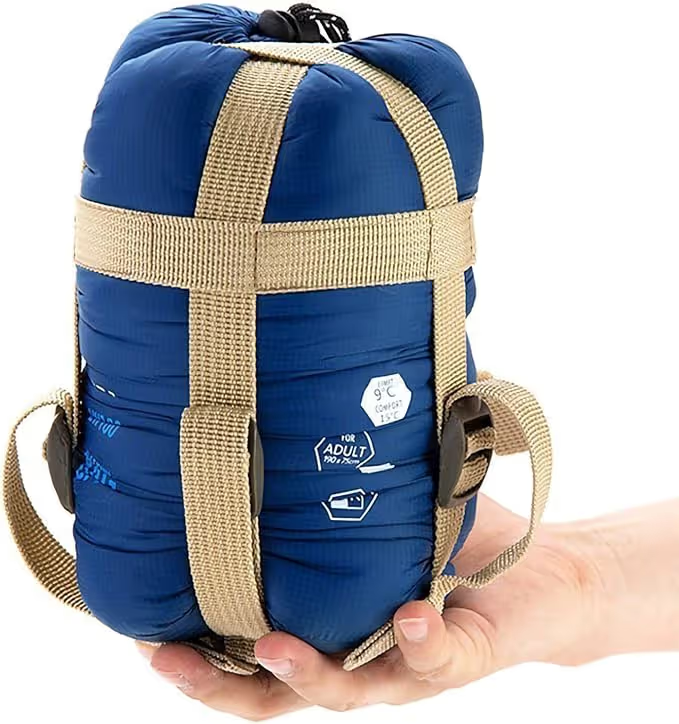
Rated 15°C to 30°C, this is unambiguously a warm-weather bag, and the single most common way people are disappointed by it is buying it for shoulder-season nights.

Weight
770g
Temp_Rating
15°C - 30°C
Dimensions
83 x 30 in
5. Therm-a-rest

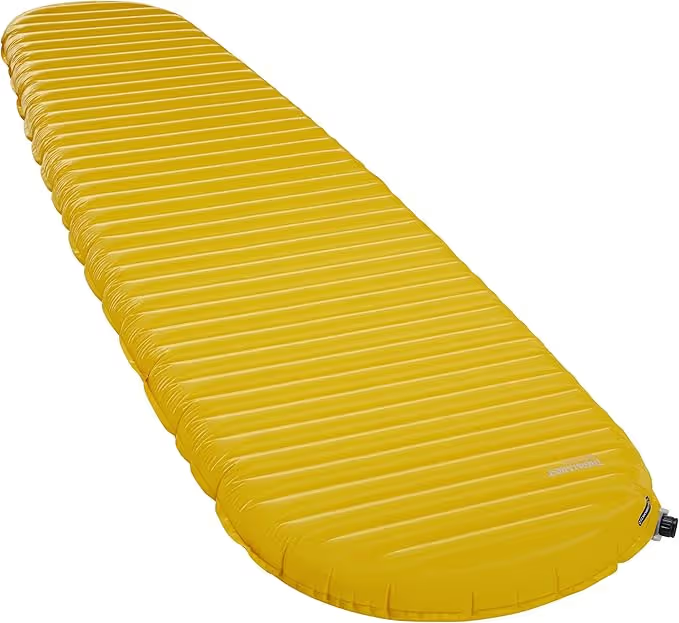
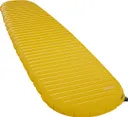
Therm-a-rest NeoAir XLite NXT

4.0 /5

The infamous 'crinkle' is gone, leaving just pure, warm comfort in a tiny package.

R_Value
4.5
Thickness
7.6 cm
Packed_Size
23 x 10 cm
$199.95 Ultralight Sleep
Read the review

For years, the Therm-a-rest NeoAir XLite ruled the ultralight world, with one major complaint: it sounded like a bag of chips every time you moved. The new NXT model finally solves this with a refined internal structure that is 83% quieter while technically boosting the thickness to a plush 3 inches. At just 370g, it offers an incredible warmth-to-weight ratio with an R-value of 4.5, making it a viable single-pad solution for everything from blistering summer races to frosty shoulder-season expeditions.

The high-flow WingLock™ Valve allows for rapid inflation and deflation, which is essential for quick camp teardowns when you are racing the sunrise. While the tapered mummy shape saves weight, it does require staying centered, so active sleepers might need a few nights to adjust. However, for bikepackers where volume is as critical as weight, its unique ability to disappear into a seatpack makes it the undisputed king of air pads. It is the gold standard against which all other sleeping pads are measured.

What works

  • · Incredible warmth-to-weight ratio (R-4.5)
  • · Significantly quieter than previous model
  • · Packs down to 1L water bottle size

What doesn't

  • · Mummy shape is narrow at feet
  • · Valve takes getting used to
  • · Performance fabric is somewhat slippery
6. Klymit

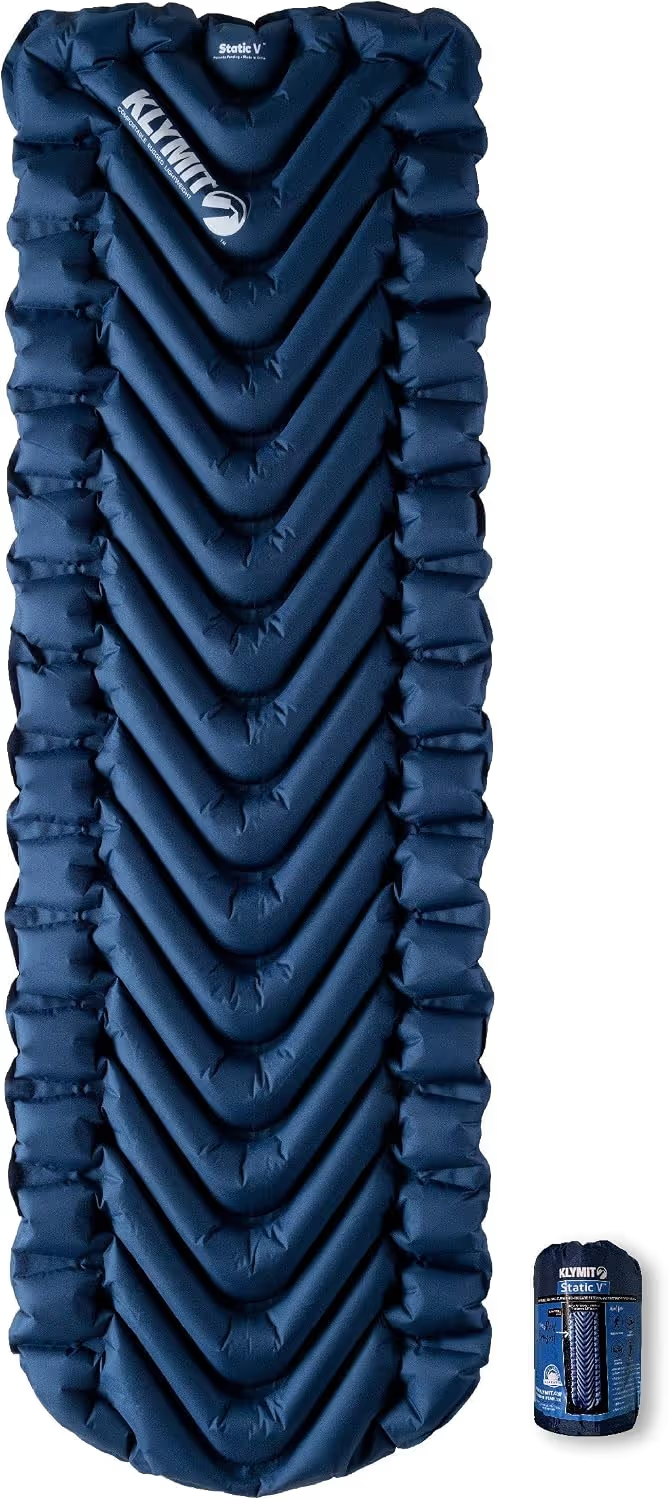
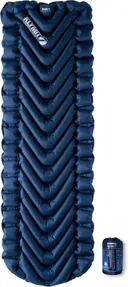
Klymit Static V2 Sleeping Pad

3.8 /5

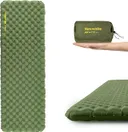
The Static V2 is the budget answer to sleeping comfortably without carrying the bulk.

Weight
460g / 16.3oz
R_Value
1.3
Thickness
6.3 cm
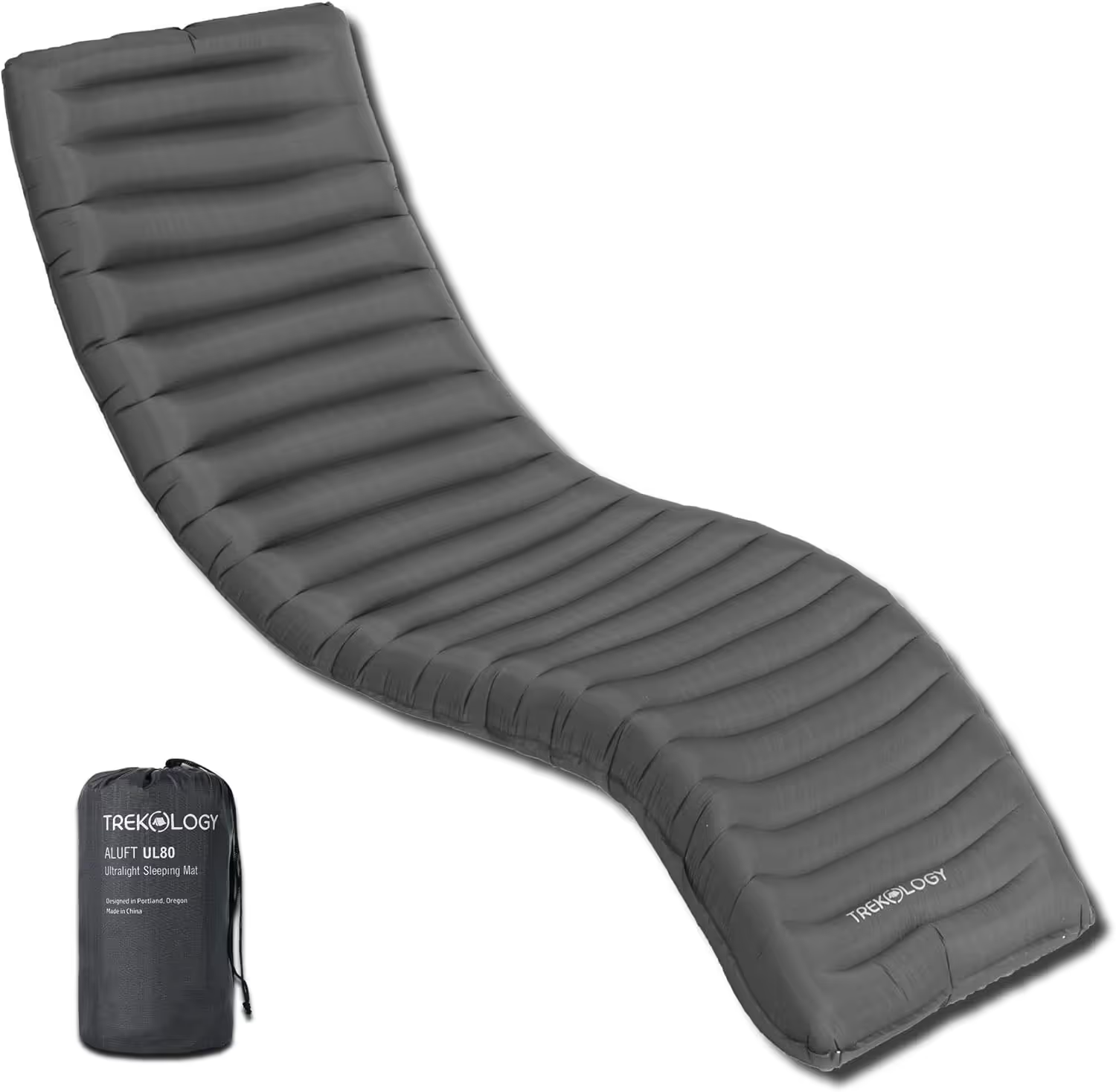
7. Trekology

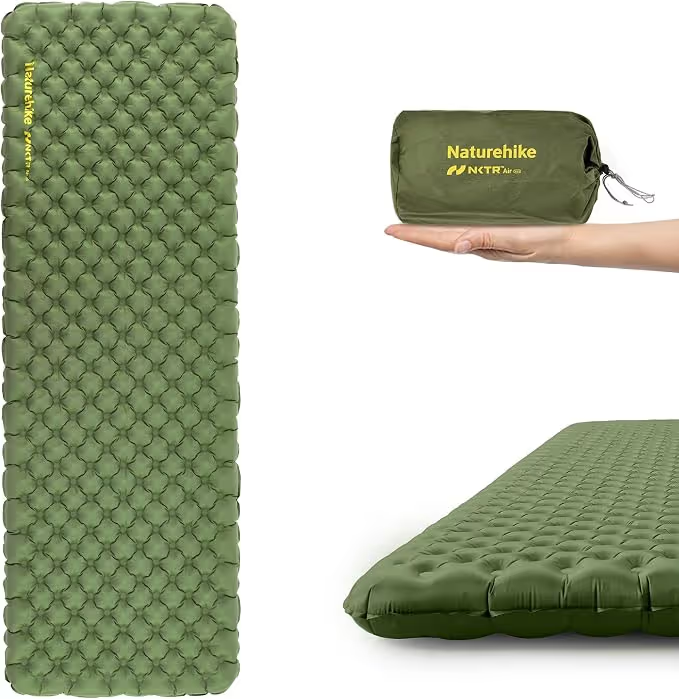
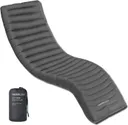
Trekology UL80 Inflatable Sleeping Pad

4.3 /5

The UL80 is the pad that finally made budget camping comfortable for side sleepers. At 4 inches thick, your hips will never touch the ground.

Thickness
10cm / 4in
Weight
560g / 19.7oz
RValue
1.6
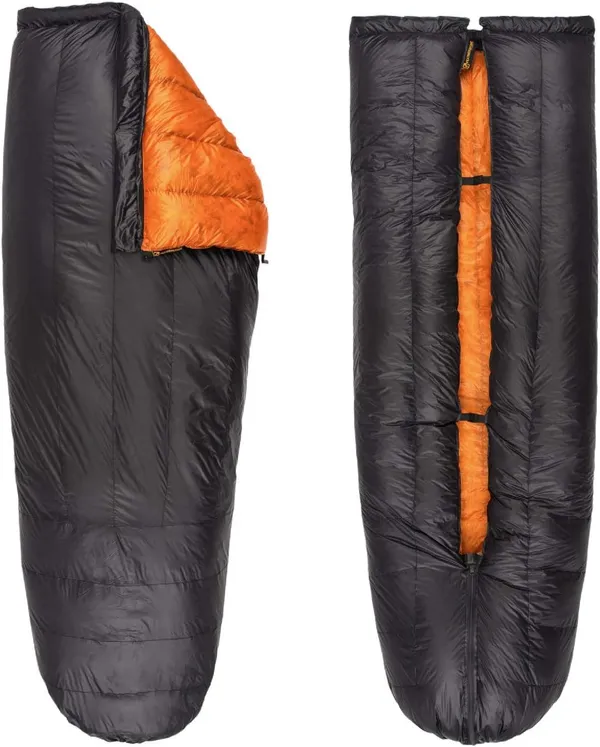
8. Enlightened Equipment

Enlightened Equipment Enigma Quilt (20°F / -6°C)

3.9 /5

The quilt that removed the sleeping bag from the equation permanently. Once you sleep under a properly dialed EE Enigma, a mummy bag feels like a straitjacket.

Insulation
850FP Goose Down
Weight
~580g (Regular/Regular)
Temperature
20°F / -6°C Limit
9. Enlightened Equipment

Enlightened Equipment Revelation 20°F (-6°C)

3.9 /5

If money is no object, or if you simply want to buy once and cry once, the Enlightened Equipment Revelation is the quilt most bikepackers dream of.

Weight
~630g (Regular/Regular)
Temperature_Rating
-6°C (20°F) Limit
Fill
850FP Grey Duck Down (Standard)
10. Decathlon

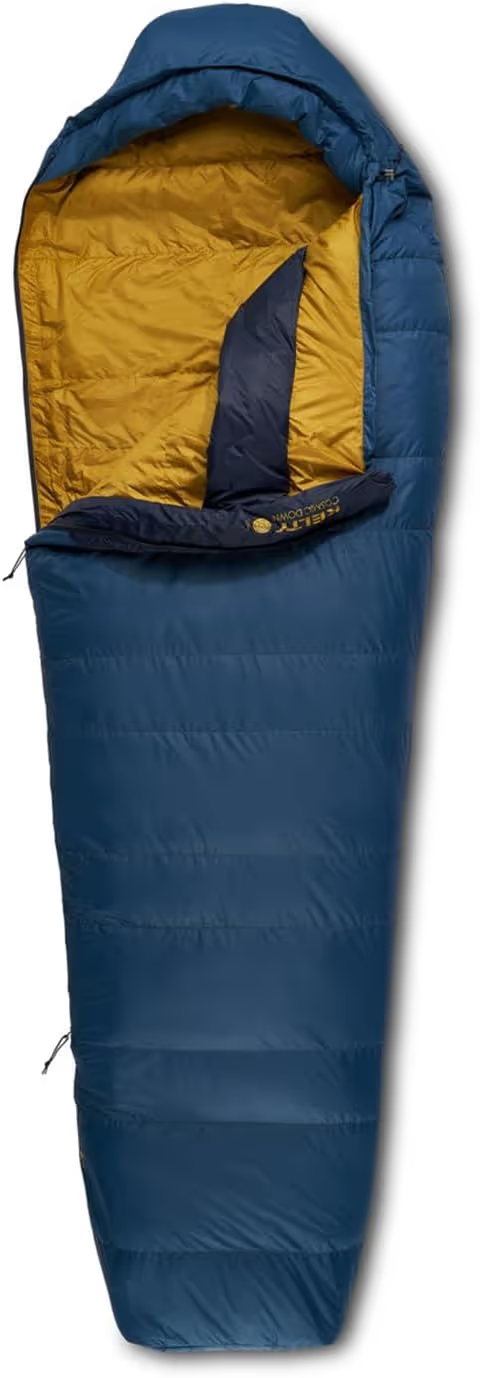
Decathlon Forclaz MT900 0°C Down Sleeping Bag

4.4 /5

If you're looking for the best bang-for-your-buck sleeping bag for 3-season bikepacking, stop looking. The Decathlon Forclaz MT900 is it.

Weight
950g (Size L)
Temperature_Rating
0°C Comfort / -5°C Limit
Fill
Duck Down (85/15), 640 CUIN
Buying Advice

What to look for

Quilt or bag

A quilt drops the insulation you crush underneath you anyway, which saves weight and packed volume. It also demands a decent pad, because there is nothing between you and the ground but the pad itself.

A bag is more forgiving in cold and wind, and easier to get right on a first trip. If you are unsure, start with a bag and move to a quilt once you know your own temperature range.

Read the rating properly

Comfort rating and limit rating are different numbers, and manufacturers quote whichever flatters. Treat the comfort figure as the real one, and assume you will feel colder than the label suggests on night three when you are tired and underfed.

R-value is the number people ignore

Ground conducts heat away far faster than air. An R-value below 2 is a summer pad, 3 to 4 covers most three-season riding, and anything above that is for genuine cold.

Down or synthetic

Down packs smaller and lasts longer for the money. Synthetic keeps insulating when wet, which matters if your setup gets condensation or your bags are not truly waterproof.

Check packed size against your bag

A 14L seat pack holding a 7L sleeping bag has 7L left for everything else. Look at the compressed dimensions before the weight.

Methodology

How we chose

How these were chosen

This is a desk selection built from published specifications and the product notes already on file, not from a night-by-night comparison.

Packed volume is weighted above weight, because volume is the constraint a bike imposes and a rucksack does not. Temperature figures are read against the comfort rating rather than the limit rating, and where a maker publishes only the limit, the individual review says so.

Pad R-values are treated as a comparison point between products rather than a promise about a given night. Weights are as published, including the stuff sack where the manufacturer quotes it that way.

Q&A

Frequently Asked Questions

Quilt or sleeping bag for bikepacking?

A quilt if you already know your temperature range and have a pad with a decent R-value, because it saves real volume in a seat pack. A bag if this is your first setup, because it is more forgiving of a cold night and a thin pad.

What R-value do I need?

Around 2 for summer, 3 to 4 for three-season riding in most of Europe and North America, and above 4 for genuine cold or shoulder-season altitude. Most people who report a cold night were under-padded rather than under-bagged.

Where does the sleep system go on the bike?

The bag or quilt usually goes in the seat pack or a handlebar roll, and the pad on the bars or strapped to a fork cage. Splitting them keeps any single bag from becoming too heavy and unstable.

Is down worth the extra money?

For packed size, yes, and it stays lofty for far longer than synthetic if you look after it. If your bags are not genuinely waterproof or you ride in persistent damp, synthetic is the safer choice.

How small should the whole system pack?

As a rough target, a three-season bag or quilt plus pad should compress to around 8 to 10 litres. Much beyond that and you are choosing between the sleep system and everything else you need to carry.

Reviewer

The GravelPacker Desk

GravelPacker is a research desk, not a test lab. We read the spec sheets, the long-run owner reports and the forum threads where things break, then score what survives that reading against a rubric we publish. We say so plainly because a review you can check is worth more than one you have to trust.