Sleep Systems
Quilt vs Sleeping Bag for Bikepacking
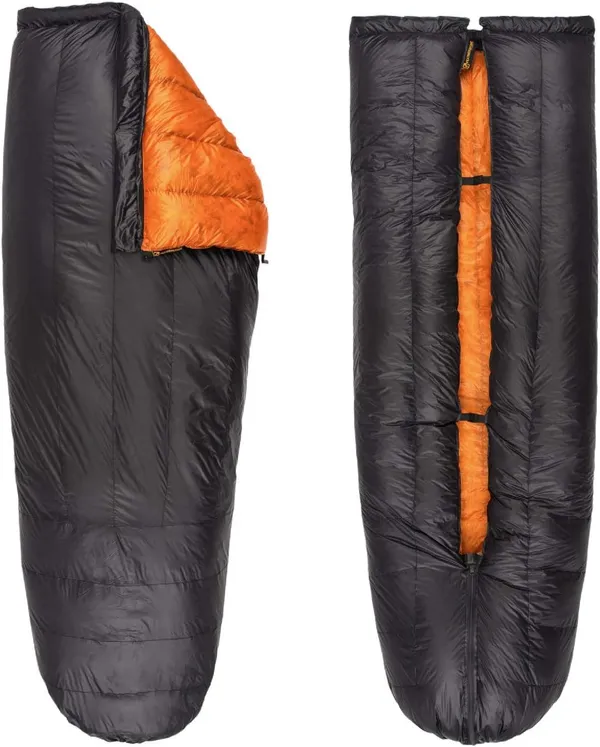
An 850FP quilt, a hooded down bag and a convertible hybrid compared on warmth per gram, drafts, packed size and price, and who should skip the quilt.
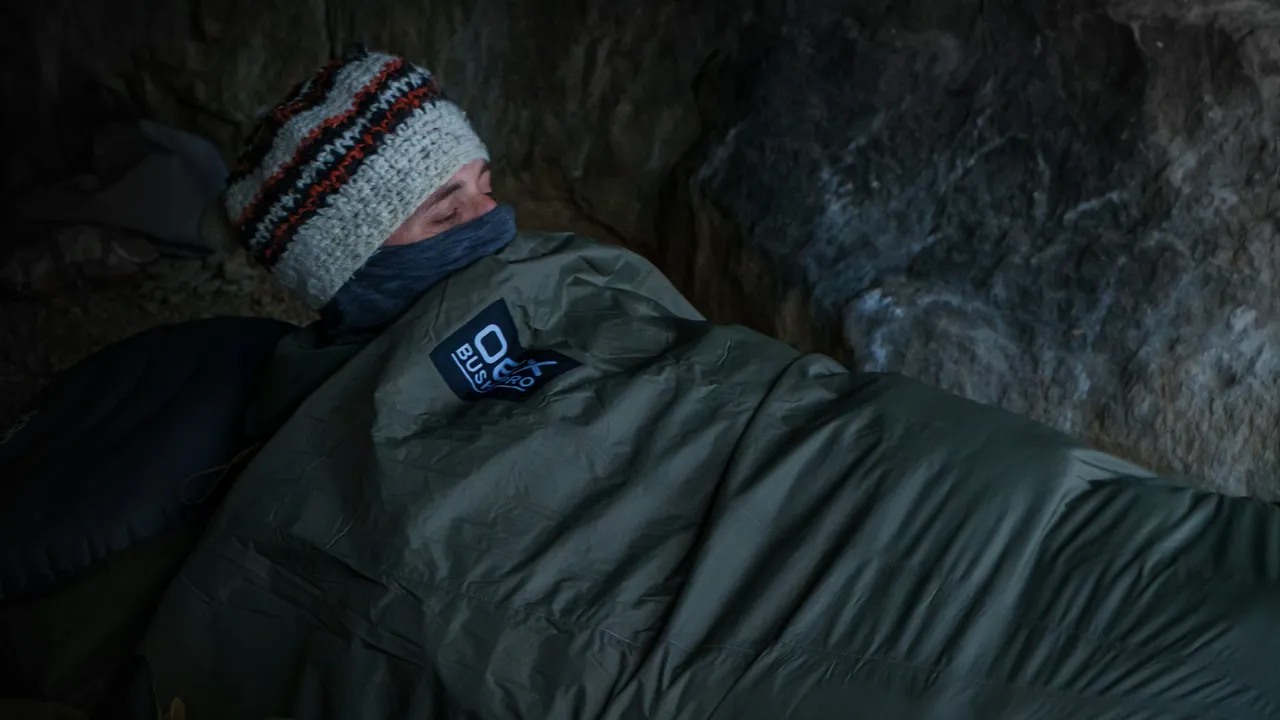
Down works by loft. The clusters trap air, the air is the insulation, and the down is only there to hold it in place.
Water collapses that structure. Damp down loses somewhere around a third of its warmth and clumps into patches, so what you get is not evenly reduced insulation but cold spots with warm bits between them. Genuinely soaked down loses most of its warmth and weighs about twice as much while doing it.
A 0°C quilt that has taken a soaking is a 10°C quilt at best, and you find this out at 3 am. If the forecast low is 8°C you will have a bad night. If it is 2°C you have an actual problem and you should be thinking about the fastest way to a building.
This is the one that works on a trip, and it is not pleasant.
Get into the damp quilt and let your own body heat drive the moisture out. Vapour moves from warm to cold, so it travels away from you and through the shell overnight. In the morning it is noticeably drier and you will have been cold for part of the night.
Two things make it work better. Wear your dry base layer, so there is a barrier between you and the damp fabric. And ventilate the tent properly, because moisture leaving the quilt has to go somewhere and a sealed tent just returns it.
You get maybe 40 percent of the moisture out per night doing this. On a three day trip that is enough to keep the situation from getting worse, which is the realistic goal.
If you get any sun at all, this is the best tool you have and most people waste it.
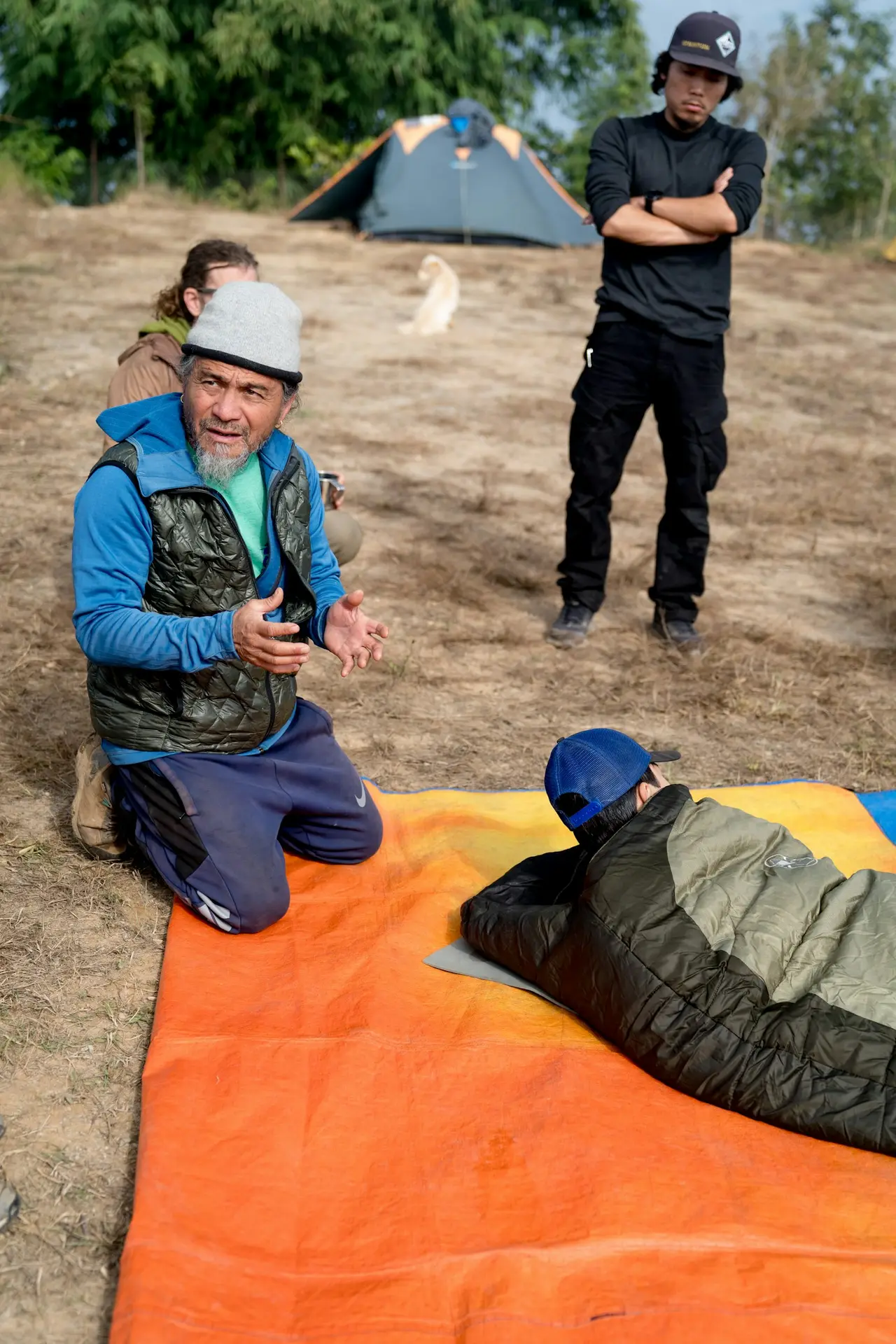
Strap the quilt on top of the seatpack or across the bars, loosely, so air moves through it rather than over it. Airflow at 20 km/h for two hours does more than an hour draped over a rock. Use the bungee on the seatpack if it has one, and use two straps rather than one so it cannot work loose.
Turn it at every stop. The side facing up dries and the side against the bag does not, and people routinely arrive at camp with a quilt that is dry on one face and still wet on the other.
Do this even in overcast conditions if it is not actively raining. Moving air is doing most of the work, not the sun.
Are Bikepacking Bags Actually Waterproof?
Most bikepacking bags are water resistant, not waterproof. What welded seams, roll-top closures and IP ratings actually mean, and what to do about it.
Fire. Every time.
A 10D nylon shell is thinner than a bin liner and it melts well below the temperature that feels warm to your hand. Holding a quilt near a campfire to dry it is how a 350 dollar piece of kit acquires a permanent hole, and the ember that does it arrives with no warning at all.
If you have a fire and a wet quilt, keep them in different postcodes. Dry your socks on the fire and dry the quilt on the bike.
The other one is stuffing it wet and leaving it. Down that stays damp for several days starts to smell and the clusters degrade, and a quilt stored wet at home after a trip can be permanently damaged. The moment you get back, it comes out of the bag.
Every technique above is damage control. None of them turns a wet quilt back into a dry one in the middle of a wet trip.
If you ride somewhere that rains, the real answer is a dry bag, closed properly, every single day. Sixty grams. Thirty seconds. It is the cheapest insurance in bikepacking, and it is why most riders only have this problem once.
And if you ride somewhere that rains a lot, consider whether down is the right choice at all. Synthetic is heavier and bulkier and it keeps about half its insulation soaking wet, which on the third grey day of a Coast Range trip is worth more than the 300 g you saved.
Quilt vs Sleeping Bag for Bikepacking
An 850FP quilt, a hooded down bag and a convertible hybrid compared on warmth per gram, drafts, packed size and price, and who should skip the quilt.
Not all, but a lot. Down insulates by trapping air in its loft, and water collapses the clusters so the loft goes with it. Damp down loses roughly a third of its warmth and genuinely soaked down loses most of it. The important part is that it recovers fully once dry, unlike some of the things people do to it while trying to dry it.
Slowly, and with body heat and airflow rather than heat. Sleep with damp down against you inside a bivy or tent and your own warmth drives moisture out through the night, which is unpleasant but it works. Draping it over a bush in Pacific Northwest drizzle does nothing at all.
It will put holes in it. A 10D nylon shell melts at temperatures well below what feels warm to a hand, and an ember landing on a down quilt makes a hole faster than you can react. This is the most common way people permanently ruin an expensive quilt, and it happens while they are trying to save it.
If most of your riding is in a wet climate and you have already had one bad night, yes. Synthetic is heavier and bulkier for the same warmth and it keeps roughly half its insulation when wet, which is the entire argument. Down is better in every way except the one that matters when it rains for eleven hours.
A dry bag, closed properly, every day, no exceptions. Sixty grams and thirty seconds. Almost every wet-quilt story starts with someone deciding the seatpack was waterproof enough for one afternoon.
An 850FP quilt, a hooded down bag and a convertible hybrid compared on warmth per gram, drafts, packed size and price, and who should skip the quilt.
The quilts, bags and pads that pack down small enough for a seat pack and still get you through a cold night. Ten picks from ultralight to budget.
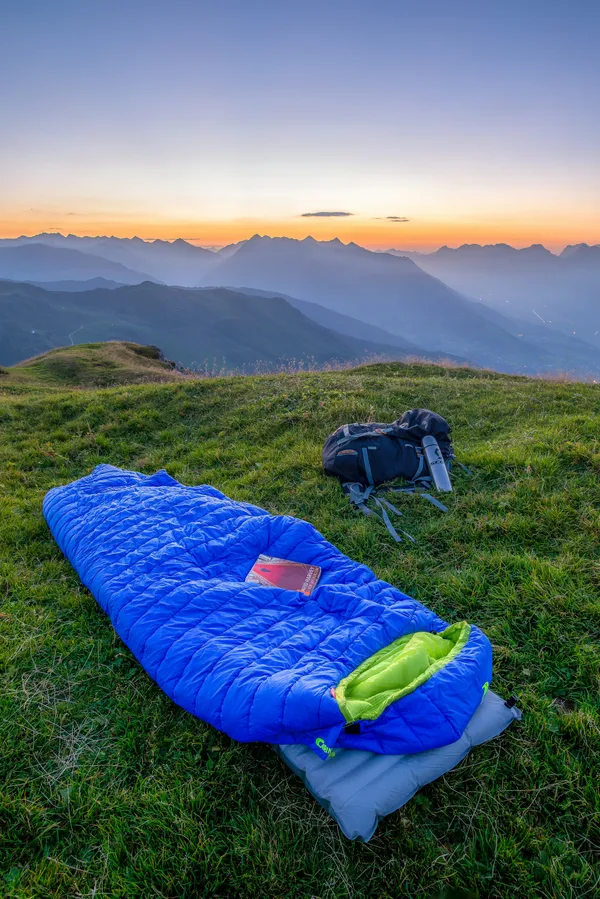
Two bags in our catalogue are rated to the same -5°C and cost within a dollar of each other. One weighs 950g and the other 530g. The difference is fill power, and this is what it is worth.

GravelPacker is a research desk, not a test lab. We read the spec sheets, the long-run owner reports and the forum threads where things break, then score what survives that reading against a rubric we publish. We say so plainly because a review you can check is worth more than one you have to trust.