Most people guess wrong about this. They agonise over a 200 g difference between two seatpacks while carrying 3 kg of water and a spare pair of jeans.
Here is a representative weekend setup, built from published component weights. Nothing exotic, nothing borrowed from a sponsor.
What
Weight
Bike (alloy gravel, no bags)
10.2 kg
Bags, empty
1.4 kg
Sleep system (bag, pad, bivy)
2.1 kg
Shelter (tarp, stakes, line)
0.6 kg
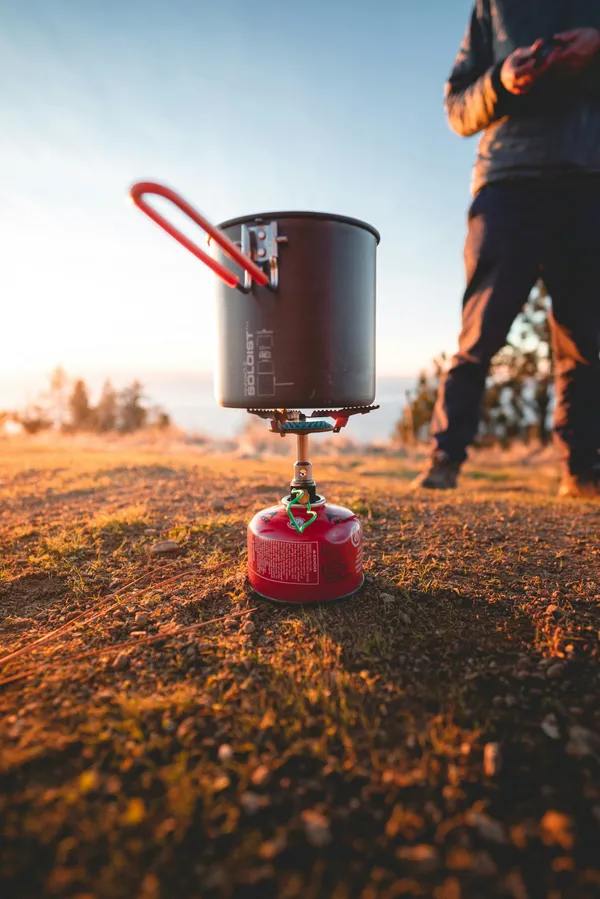
Cooking (stove, pot, fuel, mug)
0.7 kg
Clothing carried, not worn
1.3 kg
Tools, spares, first aid
0.9 kg
Electronics and charging
0.5 kg
Food, two days
1.6 kg
Water, 2.5 L
2.5 kg
Total rolling weight
21.8 kg
That is an unremarkable setup and it is a fairly typical number. The interesting part is that food and water are 4.1 kg of it, which is more than the sleep system and the shelter put together.
Base weight is everything except food, water and the bike itself. It is the only number you actually control from home, and for a three-season weekend it should land between 5 and 7 kg. The setup above is 7.5 kg, which is slightly heavy for the category because it includes a real pillow.
Consumable weight is food, water and fuel. It changes hour by hour, it is the largest single variable on any trip, and it is the one you should size to the route rather than to a target. A 60 km day between towns needs one bottle. A 130 km day across the Sonoran needs six litres and you carry them.
Rolling weight is the total, and it is what your legs feel on a climb. Chasing base weight while ignoring rolling weight is how people end up with a titanium spork and four litres of water they did not need.
Total weight is felt here rather than on a scale, and it is felt as how long you stay on the bike before the gradient wins.
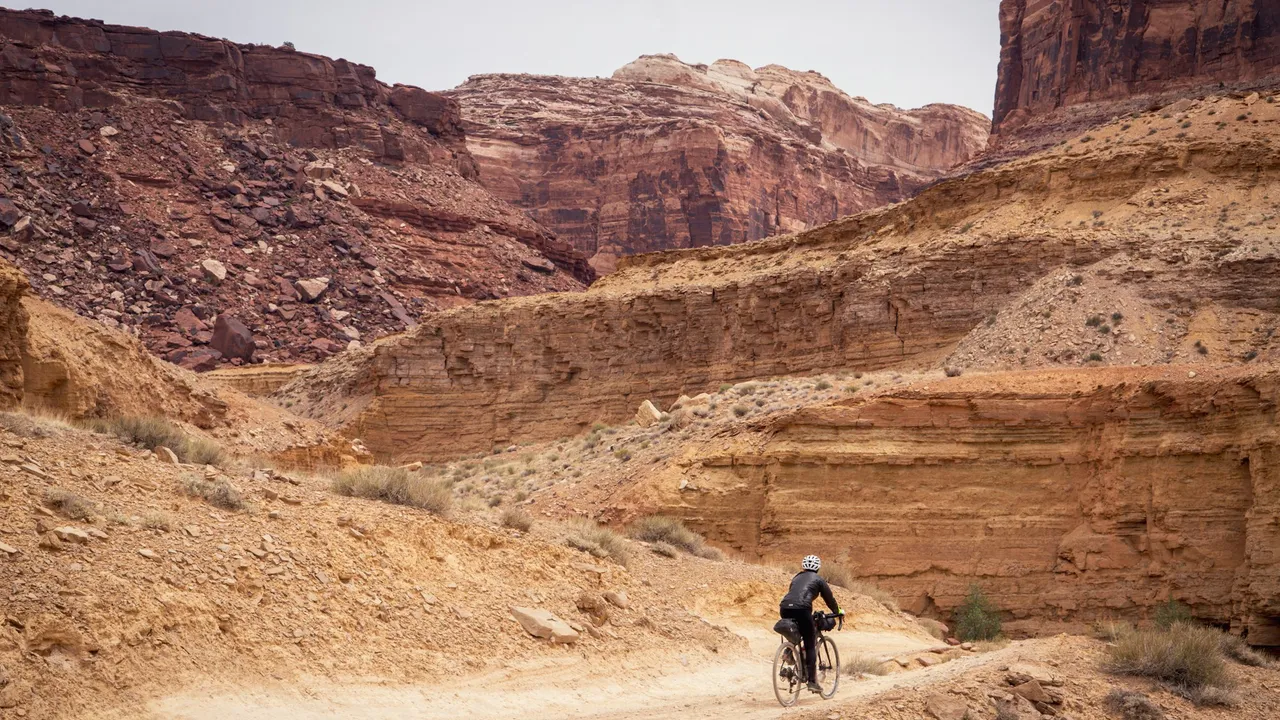
Photo by Ben Guernsey
on Unsplash. Not ours.
What Adds Weight Without You Noticing
Fear packing is the big one. The second sleeping layer for a forecast low of 12 degrees, the third tube, the 500 ml of chain lube for a two-day trip. Each item is defensible on its own and together they are two kilos.
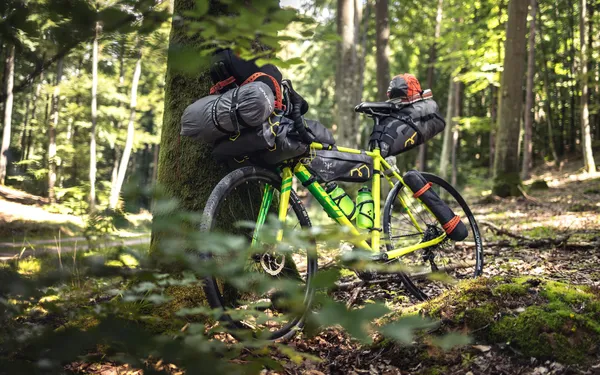
Bags themselves are heavier than people expect. A full set of quality bikepacking luggage is 1.2 to 1.8 kg empty, and a rack-and-pannier setup is closer to 2.5 kg before you put anything in it. That is not an argument against racks, it is an argument for knowing your empty number.
Litres by trip length, why a half-full big bag sways more than a packed small one, and the tyre clearance number that decides it for you.
Then there is the stuff you carry because it came with the bike. The stock bottle cages, the reflectors, the kickstand, the seatpost clamp with a lever you never use. It is trivial individually and it is 300 g of nothing.
When the Weight Stops Mattering
There is a threshold, and it is lower than the gear industry would like you to believe.
Below about 18 kg rolling, a further kilo is barely detectable on anything except a sustained steep climb. You will feel it on a 12 percent gravel pitch and nowhere else. Between 18 and 25 kg, each kilo starts costing you real time on climbs and, more importantly, real energy on day three.
Above 25 kg, weight stops being about speed and starts being about handling. A heavy seatpack sways, a heavy front load makes the steering vague, and descending a loose fire road on a bike that wallows is genuinely less safe. That is the point where the number matters, and it is usually a packing problem rather than a gear problem.
Overloading your rear tire and bringing your living room will destroy your ride. Here are 5 amateur packing mistakes and the exact gear used to solve them.
What To Do With This
Weigh your setup once, fully loaded, on a luggage scale. It takes two minutes and almost everyone is surprised by the result.
Then weigh the three heaviest items you did not use on your last trip. That is your shortlist, and it will save you more weight than any bag upgrade you are considering. Spending 200 dollars to save 300 g while carrying an unused rain jacket and a book is a bad trade, and it is the most common one in this category.
Q&A
Frequently Asked Questions
What is a good base weight for bikepacking?
Base weight (everything except food, water and the bike) sits around 5 to 7 kg for a competent three-season weekend setup. Under 4 kg means expensive gear or genuine discomfort, usually both. Above 9 kg there is almost always something in your bags you have not used on the last three trips.
Does bike weight or gear weight matter more?
Neither, individually. Gravity charges you for the total, and it cannot tell whether a kilo is frame or sleeping bag. The practical difference is that gear weight is cheap to reduce and frame weight costs thousands, so start with the bags.
How much does water add to a bikepacking setup?
A litre of water weighs one kilogram, so two full bottles and a 2 L bladder is 3.5 kg on the bike. That is more than most people's tent, sleeping bag and pad combined. It is also the one weight you should never trim to hit a number.
Is 25 kg too heavy for bikepacking?
Not automatically. A loaded touring setup crossing a continent at 25 to 30 kg is normal, and it works because the route, the gearing and the pace are all built around it. The same 25 kg on a weekend trip with a 1:1 low gear and a 2,000 m climbing day is miserable.
Two complete overnight kits, itemised from product weights: 5.15kg for $413, or 4.67kg for $581. The interesting part is where the weight actually sits, and it is not where most people look.
Grams and calories per day, why four days is the practical ceiling on a bike, and how to plan a route around resupply instead of hauling a week of dinners.
Louis runs GravelPacker and is accountable for what it publishes. He wrote the scoring rubric the product reviews are graded against and decides what ships. The pieces under his byline are the desk-research ones: comparisons and explainers built from spec sheets, owner reports and the rubric, not from a test lab.