Sleep Systems
Aegismax Wind Hard Twilight vs Naturehike CW400
A 509 g 800FP quilt against a roomy 650FP bag about a third cheaper. Compared on warmth per gram, season range, shell, drafts and price.
If you searched for the Forclaz MT900, you will find it under another name. Decathlon began moving its Forclaz trekking range to the Simond label in March 2024, and the 0°C down bag is now listed on decathlon.co.uk as the Simond MT900. Some Forclaz-labelled stock is still on sale, so expect both names for a while.
Four Decathlon labels matter for bikepacking. Simond makes the sleeping bags, pads and trekking tents, and Quechua covers mainstream camping kit. The bikepacking bags sit in Rockrider's ADVT range (one half-frame bag still carries the Riverside name), while Van Rysel and Triban make gravel bikes, shoes and bottles rather than luggage.
The MT900 0°C is why this brand comes up in bikepacking at all. Decathlon says every sleeping bag it sells carries comfort and limit temperatures measured by an independent lab, AITEX, to ISO 23537-1:2022, and for the MT900 those are 0°C comfort and -5°C limit. Enlightened Equipment, by contrast, says the ratings on its own site may not match its EN test results.
The construction is better than the price suggests. Size L weighs 930 g with 495 g of fill: 800 cuin RDS duck down on top and 700 cuin recycled down underneath, where your body crushes it anyway. The shell is 10 denier polyamide with a 30 denier ripstop grid, and Decathlon publishes an abrasion figure for it of 80,000 Martindale cycles.
It cost £169.99 when we checked in early October, and the UK product page lists a five-year warranty. Published fill weight, fill power and an independent rating, at that price, make the strong case for Decathlon, and it is a real one.
Weight is where Decathlon gives ground, and it shows when you line its kit up against specialist makers. No single gap below is large, but they add up across a bike.
| Job | Decathlon | Specialist benchmark | Gap |
|---|---|---|---|
| 0°C sleeping | Simond MT900 0°C bag, size L: 930 g, ISO limit -5°C, £169.99 | Enlightened Equipment Revelation 20°F quilt: about 630 g, maker's own rating | About 300 g heavier |
| Three-season pad | Simond MT900 insulating pad, L: 570 g, R5.4 (ASTM), £119.99 | Therm-a-Rest NeoAir XLite NXT Regular: 370 g, R4.5 (ASTM), $199.95 list | 200 g heavier, warmer on paper |
| Seatpack | Rockrider ADVT 900 harness and 6 to 15 L drybag: 724 g, £87.98 | Restrap Big Saddle Holster, 14 L: 640 g, $148 in August | About 85 g heavier |
The sleeping bag gap is partly a bag-versus-quilt gap, and the two ratings are not measured the same way, so read that 300 g as approximate. If the quilt question is the real one, our quilt versus sleeping bag comparison covers it. The pad gap is cleaner: Decathlon's is warmer on paper and 200 g heavier, at a lower list price.
Aegismax Wind Hard Twilight vs Naturehike CW400
A 509 g 800FP quilt against a roomy 650FP bag about a third cheaper. Compared on warmth per gram, season range, shell, drafts and price.
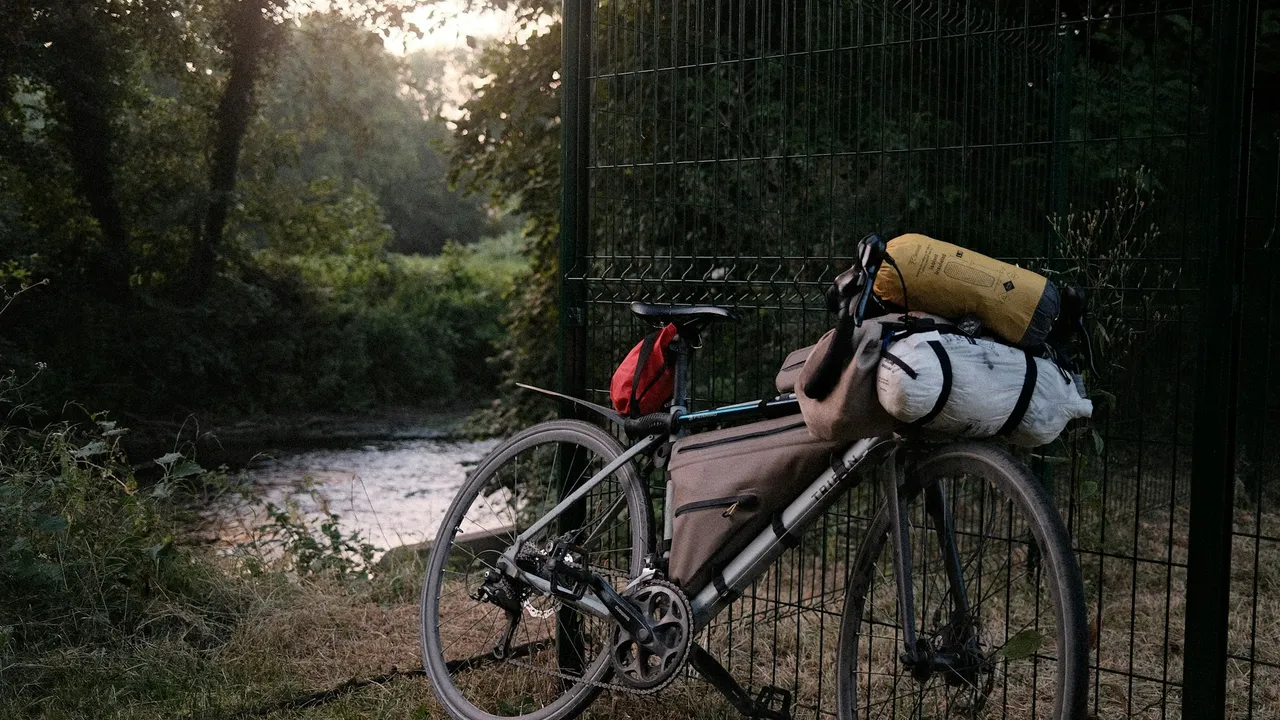
The ADVT 900 saddle system is a harness plus a separate 6 to 15 litre drybag, the holster layout small makers charge more for. The drybag is TPU-laminated 600D polyester with welded construction and a purge valve, and Decathlon says it was tested to IPX6. TOUR magazine weighed the pair at 717 g and listed "quite heavy" among the drawbacks, close to Decathlon's own 724 g.
The mount is where it gets particular. Decathlon lists the harness as incompatible with suspension seatposts, full-suspension bikes, oval or rectangular posts, XS frames and any saddle less than 23 cm from the rear wheel. Measure that last one before you order, because small frames are the ones most likely to fall short.
Decathlon's own advice video on bag positions is below. It is useful for sizing even if you buy your bags elsewhere.
Are Cheap Bikepacking Bags Any Good?
What a $30 bag gets right, what it gets wrong, and the three failure points that separate it from a $170 one. Fabric is not one of them.
Decathlon's MT900 page recommends a pad of at least R4.8 under the bag and says warmth drops below that. The Simond MT500 Air, the cheap Decathlon pad beside it on the shelf, is R1.5 and rated by Decathlon for nights above 8°C.
If you want an all-Decathlon setup, the matching pad is the MT900 insulating mat at R5.4. Putting a 0°C bag on the MT500 Air means paying for warmth the ground will take.
The Best Sleeping Pads for Bikepacking (2026)
Eight sleeping pads from $40 to $229, judged on R-value, packed size and how they behave in a seatpack. The spec that matters is the one nobody reads.
In the UK, every Decathlon-brand product carries at least two years' warranty for members, and membership is free. Some lines get more: five years on the MT900 bag, ten on Quechua and Forclaz backpacks, and lifetime cover on metal bike frames.
Members also get 365 days to return unwanted items, against 30 days for everyone else. The catch is the word unwanted. Returns must be unused, clean and in the original packaging, so this is not a try-it-on-a-trip scheme.
The US is different. Decathlon closed its last two US stores, both in the San Francisco Bay Area, in early 2022 and kept selling through decathlon.com, where returns run 30 days and warranty length is set per product. When we checked the US site on 6 October 2026, its sleeping-bag collection listed only a repair-patch kit, the MT500 Air pads showed as sold out and the ADVT bikepacking bags did not come up at all.
In the UK and Europe, the MT900 bag and the MT900 pad are the strongest value in the range, and the published ratings mean you know what you are buying. The ADVT 900 saddle system is a fair buy if your saddle clears the 23 cm rule and you are not counting grams.
Skip the MT500 Air for anything but summer. For the rest of a cheap setup, our budget gear list covers what Decathlon does not. In the US, plan around what is actually in stock, because right now that is very little of the range above.
For trekking gear, yes. Decathlon began moving the Forclaz range to the Simond name in March 2024, and the MT900 0°C down bag and the MT500 and MT900 pads are now listed as Simond on decathlon.co.uk. Older Forclaz-labelled stock is still on sale in places, so both names will turn up for a while.
For three seasons, yes. It is rated 0°C comfort and -5°C limit under ISO 23537-1:2022, but Decathlon's own page says it needs a pad of R4.8 or more to reach that. On a summer pad it will sleep colder than the label.
Only online, and stock is thin. Decathlon has had no US stores since early 2022, and when we checked decathlon.com in October 2026 it listed no sleeping bags, showed the MT500 Air pads as sold out and did not carry the ADVT bikepacking bags. Check stock before you plan a trip around it.
The ADVT 900 saddle drybag is a welded roll-top that Decathlon says was tested to IPX6, which covers strong jets of water. The ADVT 900 frame bags are rated IPX3, which is spray resistance, not a seal. Put your sleeping bag in its own dry bag either way.
In the UK the MT900 product page lists five years, and every Decathlon-brand product carries at least two years for members. Membership is free, but it has to be attached to the purchase for the warranty and the 365-day returns to apply. In the US, decathlon.com sets the warranty length on each product page.
A 509 g 800FP quilt against a roomy 650FP bag about a third cheaper. Compared on warmth per gram, season range, shell, drafts and price.
An 850FP quilt, a hooded down bag and a convertible hybrid compared on warmth per gram, drafts, packed size and price, and who should skip the quilt.
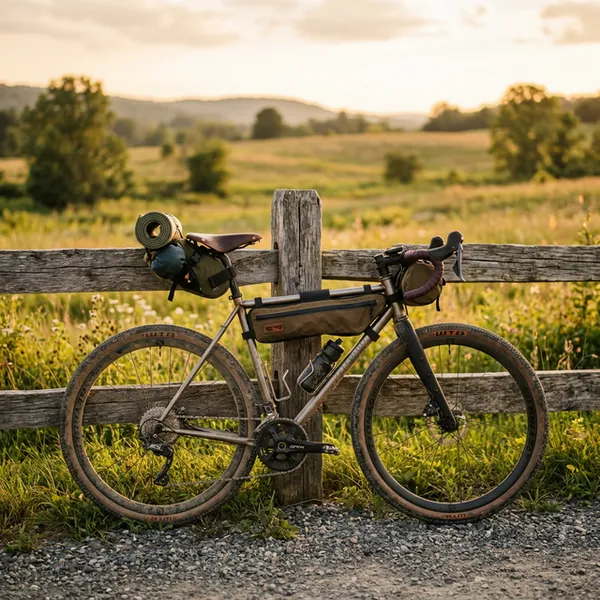
The quilts, bags and pads that pack down small enough for a seat pack and still get you through a cold night. Ten picks from ultralight to budget.

Louis runs GravelPacker and is accountable for what it publishes. He wrote the scoring rubric the product reviews are graded against and decides what ships. The pieces under his byline are the desk-research ones: comparisons and explainers built from spec sheets, owner reports and the rubric, not from a test lab.