Bags
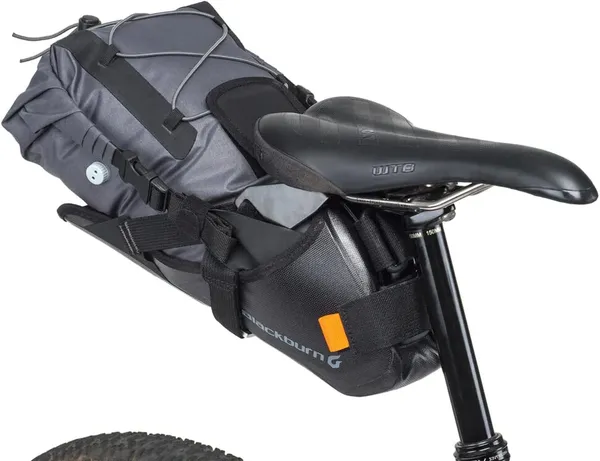
Blackburn Outpost Elite vs Topeak Wishbone vs Restrap Holster
An alloy rail wing, a bolt-on brace and a stiff holster, compared on sway, clearance, fitting and hardware. Only one is built around a dropper post.
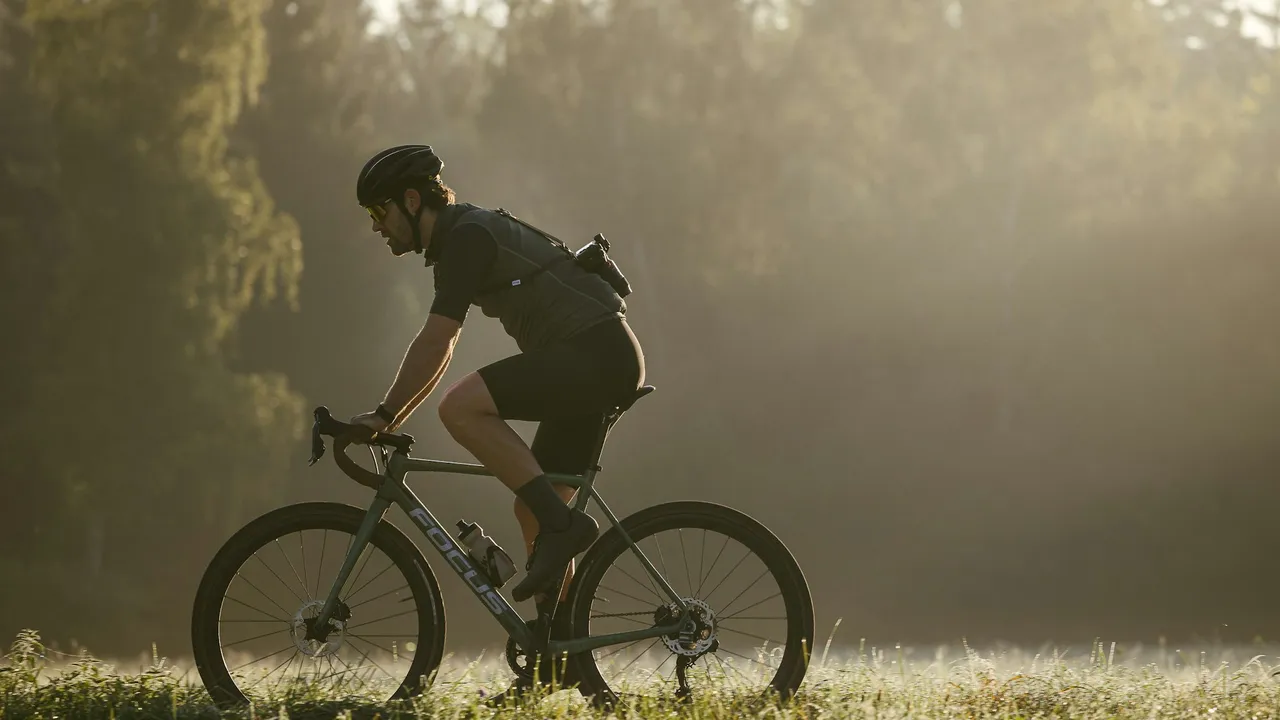
It gets the saddle out of the way so you can move your weight back and down on a steep, rough descent.
That matters when the terrain is genuinely technical, and it matters more loaded than unloaded because a bike carrying 8 kg of kit behaves worse under braking and pitches forward more readily. On the right descent, being able to drop the post is the difference between riding and walking.
It does nothing at all on a graded gravel road, where you sit down and pedal.
So the question is not whether droppers are good. It is whether your actual routes contain the terrain that uses one.
Think about the last five descents that made you nervous.
If on any of them you found yourself off the back of the saddle with your weight behind the bottom bracket, a dropper would have helped. If you sat down through all five, it would not have.
Most riders who buy a dropper for gravel discover they use it about three times a year. Most riders who ride loaded singletrack use it every day. The terrain decides this, not the bike category on the frame sticker.
What Size Seatpack Do You Actually Need?
Litres by trip length, why a half-full big bag sways more than a packed small one, and the tyre clearance number that decides it for you.
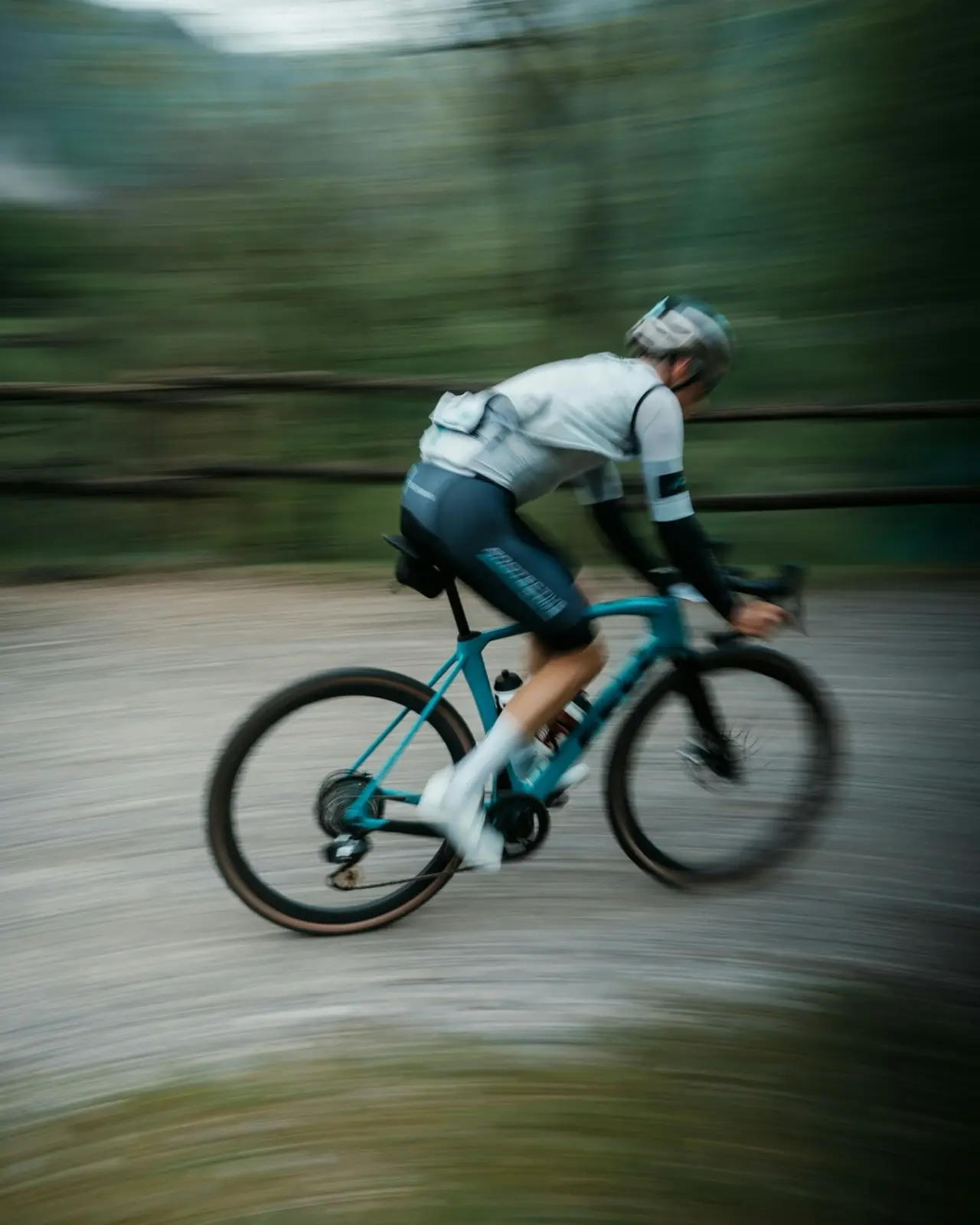
Not the 200 to 400 dollars, and not the 400 to 600 grams. The seatpack.
A dropper takes 100 to 150 mm out of your saddle-to-tyre clearance at exactly the moment your bag is lowest. Measure with the post fully dropped, because that is the state that matters. Most riders running both end up on an 8 to 11 litre bag when they wanted 14, or move to a rack.
That is a genuine change to how much you can carry, and it is the reason dropper-specific seatpacks exist. On a bike with a dropper, a bag that hangs from the saddle rails and holds clear of the stanchion, or a rack-mounted system, is usually the only way to keep real capacity.
Blackburn Outpost Elite vs Topeak Wishbone vs Restrap Holster
An alloy rail wing, a bolt-on brace and a stiff holster, compared on sway, clearance, fitting and hardware. Only one is built around a dropper post.
Loaded singletrack. Bikepacking routes with hike-a-bike and technical descending. Anything where the route description uses the word chunky.
Also, honestly, riders who descend nervously. Confidence is worth something and a dropper buys a meaningful amount of it on terrain that is at the edge of your ability. That is a legitimate reason and it does not show up on any spec comparison.
Graded gravel and fire roads. Small frames where the drop eats your whole seatpack clearance. Any setup where you have spent real money getting the weight down, because 600 g high on the bike undoes a lot of that work.
And on a first bikepacking setup, always. Spend the 300 dollars on a sleeping pad, a seatpack and a frame bag before you spend it on a post. Nobody has ever been stopped from finishing a trip by the absence of a dropper.
Are Cheap Bikepacking Bags Any Good?
What a $30 bag gets right, what it gets wrong, and the three failure points that separate it from a $170 one. Fabric is not one of them.
Only a small one, and only if you measure with the post fully dropped rather than extended. A dropper takes 100 to 150 mm out of your clearance at exactly the moment the bag is closest to the tyre. Most riders who run both end up on an 8 to 11 litre bag or move to a rack.
Four hundred to 600 g over a rigid post, including the lever and cable. That is roughly a full water bottle, sitting fairly high on the bike. On a setup where you have been counting grams elsewhere it is a large single addition and worth being honest about.
They can, and the failure mode is usually the post sagging or refusing to return rather than a hard break. Most will limp home stuck at full extension, which is a rigid post. Carry the knowledge that you can usually strap it up rather than a repair kit, because roadside dropper service is not realistic.
No. On roads a car could drive, you will not use it, and you are carrying 500 g and a cable for nothing. The honest test is whether you currently get out of the saddle and behind it on descents. If you never do that, a dropper solves a problem you do not have.
Short seat tubes and low saddle heights limit how much drop you can fit, and they are also the frames with the least seatpack clearance to begin with. On a small frame a dropper often means giving up the seatpack entirely, which is a bigger change to your setup than the descent benefit is worth.
An alloy rail wing, a bolt-on brace and a stiff holster, compared on sway, clearance, fitting and hardware. Only one is built around a dropper post.
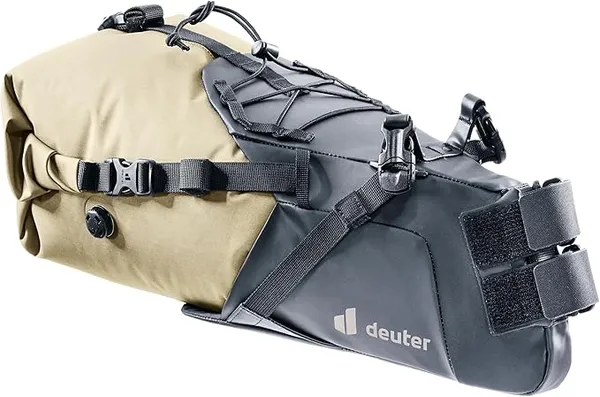
Three seatpacks between $80 and $140, the range where budget bags stop and premium starts. Two separate into a harness and a bag, one does not, and it shows.
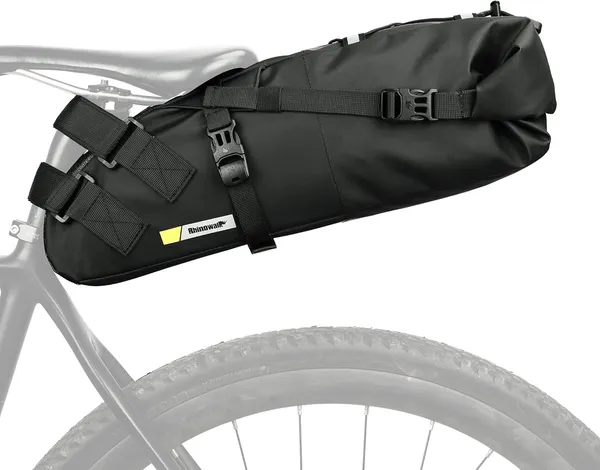
A 10 L Rhinowalk, a 3 L ROCKBROS and an 11 to 13 L KEMIMOTO compared on waterproofing claims, sway, clearance and owner reports. Only two carry overnight kit.

Louis runs GravelPacker and is accountable for what it publishes. He wrote the scoring rubric the product reviews are graded against and decides what ships. The pieces under his byline are the desk-research ones: comparisons and explainers built from spec sheets, owner reports and the rubric, not from a test lab.