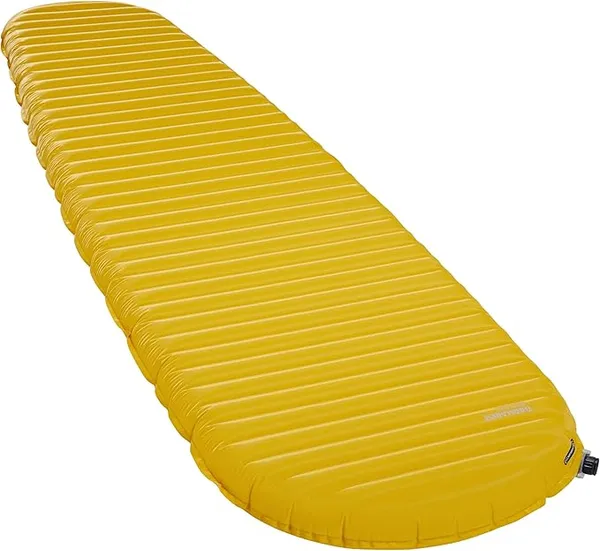
Sleep Systems
The Best Sleeping Pads for Bikepacking (2026)
Eight sleeping pads from $40 to $229, judged on R-value, packed size and how they behave in a seatpack. The spec that matters is the one nobody reads.
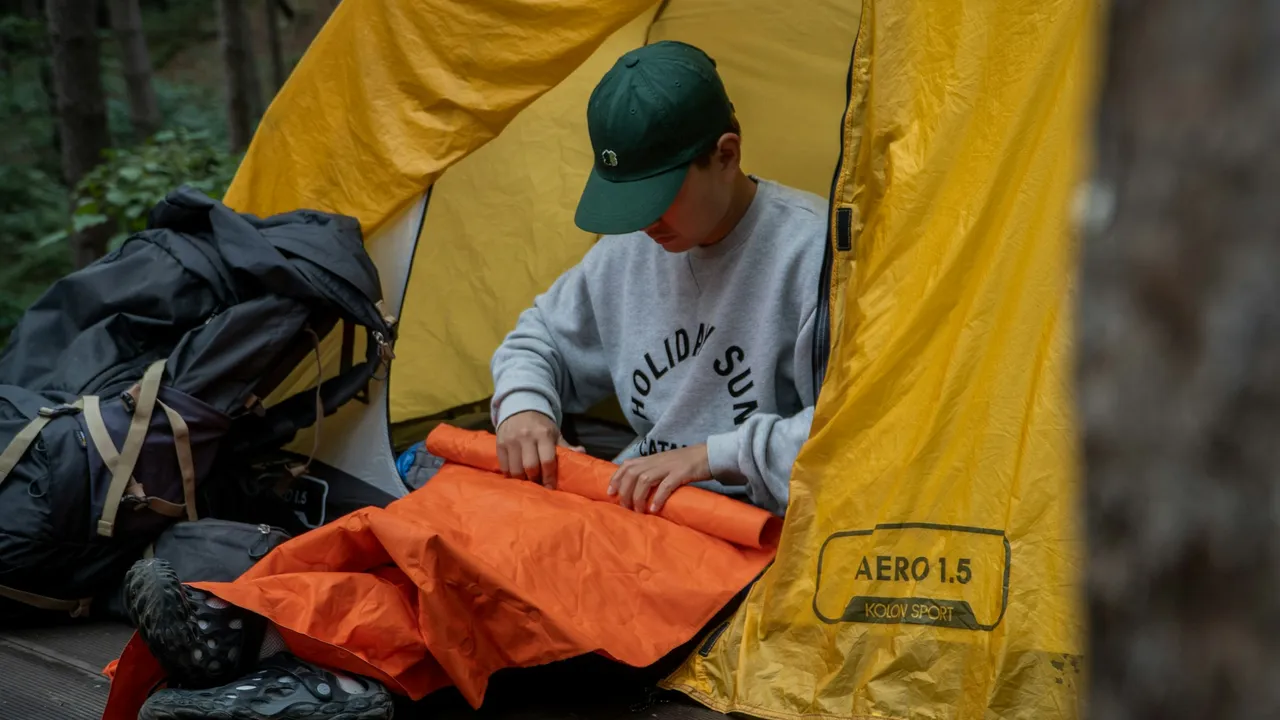
Across our catalogue, the sleeping bags go down to -6°C. The budget pads top out at about R-2.
Those two figures describe the same night, and they do not agree. A bag rated to -6°C assumes a pad that can keep the ground from taking your heat, and R-2 is not that pad. Anyone pairing the two is going to be cold, and is going to blame the bag.
| Pad | R-value | Thickness | Weight | Price |
|---|---|---|---|---|
| Trekology UL80 | 1.6 to 2 (estimated) | 10cm | 750g | $39.99 |
| Decathlon Forclaz MT500 Air | 1.5 (ASTM) | 5cm | 510g | $49.00 |
| Klymit Static V | 1.3 (ASTM) | 6.4cm | 530g | $47.71 |
Every one of those is a summer number.
A sleeping bag works by trapping air in loft. Lie on it and the loft underneath you compresses to nothing — the down or synthetic fill between your back and the ground is doing no insulating at all.
So the bag's rating describes the half of you facing upward. The half facing the ground is entirely the pad's problem, and the ground is a far better heat sink than the air is. On a cold night you lose more heat downward by conduction than upward by convection, which is why the pad, not the bag, is what decides whether you sleep.
This is also why the fix for a cold night is so often counter-intuitive: putting on more clothes helps less than putting something under you.
Rough working figures:
R-values are additive, which is the useful property: an R-1.6 inflatable on top of an R-2 foam mat gives you R-3.6, comfortably three-season, for about $25 and 300g more.
That stacking trick is the single best-value move in the entire sleep system, and it is almost never what people buy. The instinct is to upgrade the bag, which costs three times as much and fixes the half of the problem that was already working.
R-values only compare if they were measured the same way. ASTM F3340 is the standard that made that possible — before it, every brand used its own method and the numbers were not interchangeable.
Of the three pads in the table, two state the standard: the Decathlon at R-1.5 and the Klymit at R-1.3, both ASTM. Trekology gives an estimated range of 1.6 to 2 and leaves the method unstated.
That does not mean the others are wrong. It means an estimated R-1.6 to 2 and R-1.5 ASTM are not the same claim, and if you are choosing between two pads a few tenths apart, the one citing the standard is the one you can actually rely on.
You were cold. Work out which layer failed:
Cold Feet at 4 AM: The Emergency Sleep System Boost
When the temperature drops below your quilt's rating, the 4 AM shivers are inevitable. Six ways to add real warmth to a bag that's underrated for the night you're having.
The corollary for anyone shopping our sleep system round-up: a $325 quilt on an R-1.3 pad will sleep colder than a $100 bag on an R-3.6 stack. The pad is not the accessory.
What Does a Complete Bikepacking Setup Actually Weigh?
Two complete overnight kits, itemised from product weights: 5.15kg for $413, or 4.67kg for $581. The interesting part is where the weight actually sits, and it is not where most people look.
R-2.5 or better once ground temperatures drop below roughly 7°C, and R-4 if you expect frost. Under R-2 is a summer figure regardless of what the bag on top of it is rated to.
Almost always the pad. Insulation compressed under your body weight stops trapping air, so the bag underneath you does nothing at all. Whatever separates you from the ground is doing that job, and if it is an R-1.3 pad it is not doing it well.
Only the ones measured to ASTM F3340, which is why that reference is worth looking for. Of the pads we list, one states it explicitly. A number with no standard behind it is a manufacturer's estimate and tends to be generous.
Not directly. Thickness buys comfort; R-value buys warmth, and it comes from reflective layers and baffle structure rather than air volume. A 10cm pad at R-1.6 and a 6cm pad at R-1.3 are both summer pads.
A closed-cell foam mat under the inflatable. It adds roughly R-2 for around $25 and 300g, it cannot puncture, and it doubles as a sit mat. It is the least glamorous and most reliable upgrade in the whole sleep system.
Eight sleeping pads from $40 to $229, judged on R-value, packed size and how they behave in a seatpack. The spec that matters is the one nobody reads.
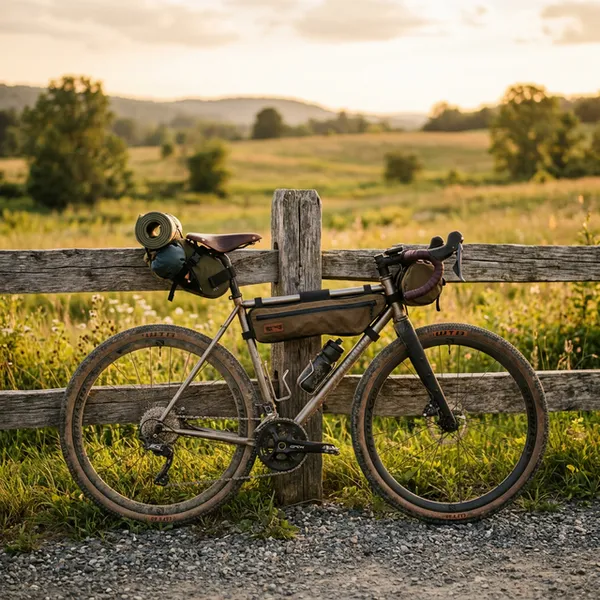
The quilts, bags and pads that pack down small enough for a seat pack and still get you through a cold night. Ten picks from ultralight to budget.
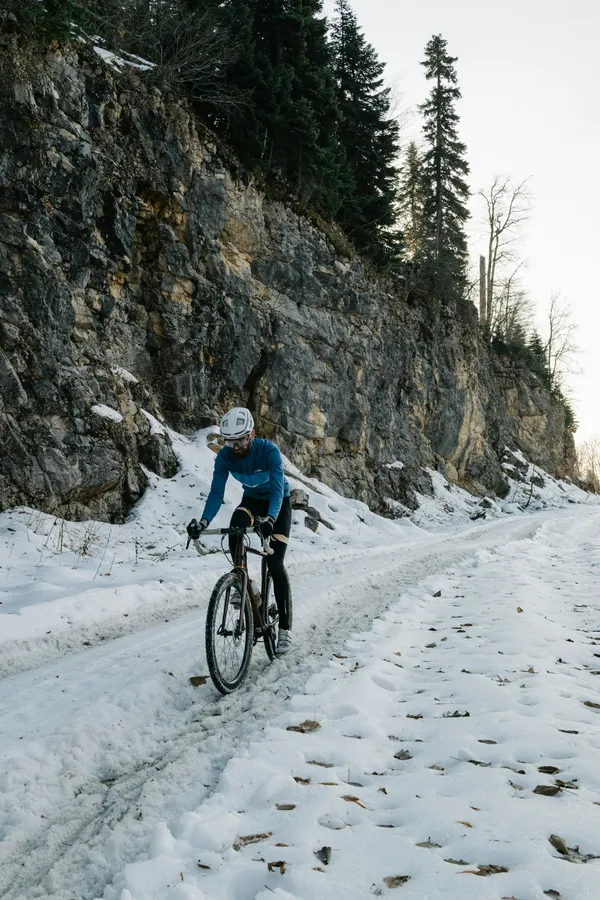
When the temperature drops below your quilt's rating, the 4 AM shivers are inevitable. Six ways to add real warmth to a bag that's underrated for the night you're having.

GravelPacker is a research desk, not a test lab. We read the spec sheets, the long-run owner reports and the forum threads where things break, then score what survives that reading against a rubric we publish. We say so plainly because a review you can check is worth more than one you have to trust.