On this page

The 4-Day Gravel Kit: What Earns Its Weight and What Doesn't

Most kit lists are inventories. This one is ranked: what you reach for hourly, what earns its place once a day, and what you carry for four days without touching.

Published March 20, 2026
Edited by Louis Raveton
When you purchase through links on our site, we may earn an affiliate commission. Here's how it works.
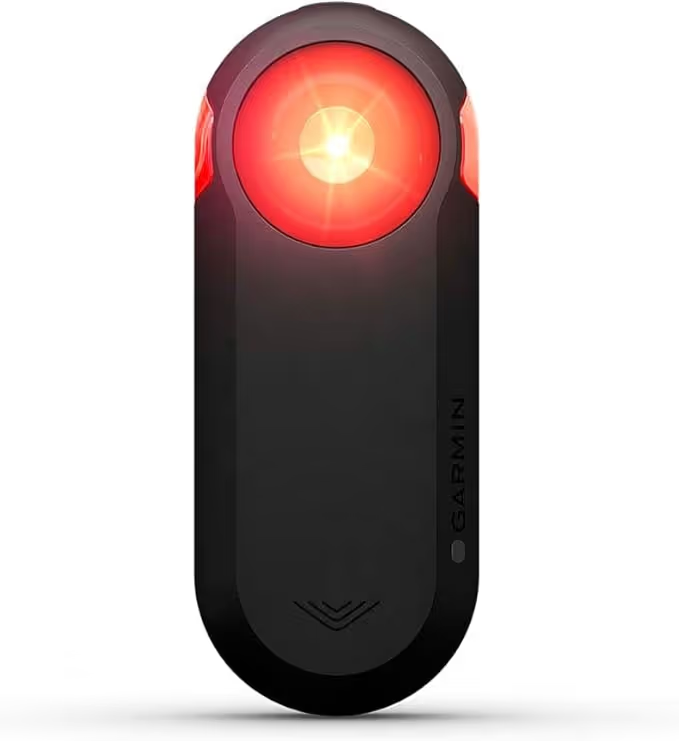
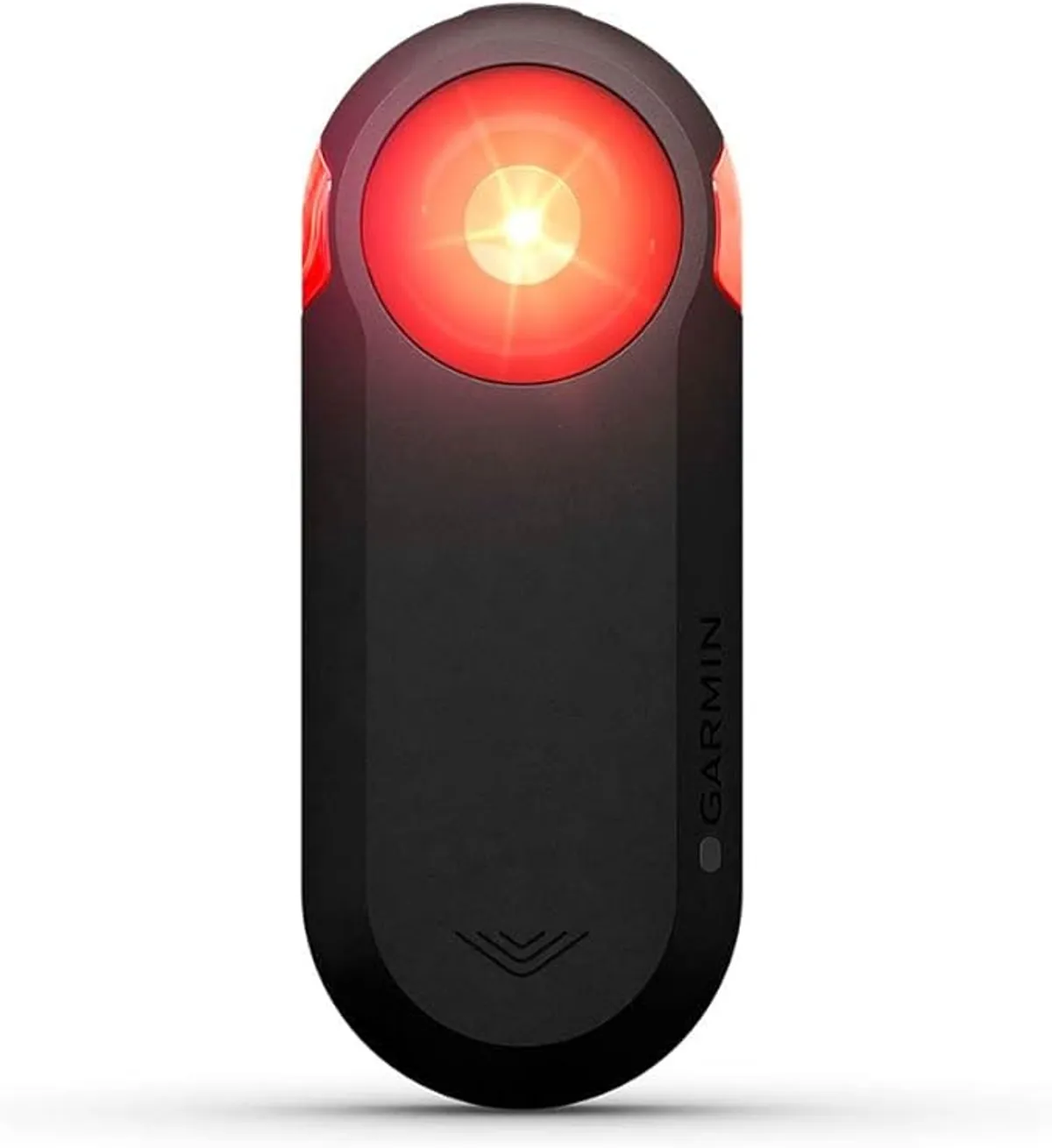
Garmin Varia RTL515 Radar Tail Light, our top pick in The 4-Day Gravel Kit: What Earns Its Weight and What Doesn't

Most bikepacking kit lists are inventories: here are twenty things, buy them all. That tells you nothing about which five you would genuinely miss.

So this list is ranked by frequency of use over a four-day, self-supported gravel tour — most-reached-for at the top, most-questionable at the bottom. Two items near the end are luxuries, and the entry that surprises people is the one that isn't cycling gear at all. Where a pick only makes sense under particular conditions, we say which.

Editor's Choice

  • • 140m vehicle detection range
  • • Native Garmin Edge integration
  • • IPX7 waterproof
$199.99
Checked Aug 2026
Available with Amazon Prime
Buy on Amazon

Quick Comparison

Sort
Best for Weekend Bikepacking
  • Capacity 10 L on this link, also 13 L (listing)
  • Material PVC-coated polyester (listing)
  • Inner_Bag Fabric rated to 3,000 mm (listing)
  • Seams Stitched, sealed with a rubber strip (listing)
Best for Camp Layer
  • Material 100% Pure Cashmere
  • Fit Classic / Slim
  • Feature Turtleneck
  • Weight ~200g
Best for Solo Shelter
  • Weight 1.66 kg (210T), 1.62 kg (20D Pro), 1.46 kg (15D UL), Amazon listing figures
  • Packed_Size 39 x 13 x 13 cm
  • Poles 7075 aluminium, one hubbed set, freestanding (listing)
  • Floor 1.89 m² inner (210 x 90 cm)
Best for Summer Touring
  • Fill 350 g, 800FP goose down (Regular)
  • Weight 624 g (Regular)
  • Temperature_Rating 5°C Comfort / 0°C Limit (EN, maker's figure)
  • Shell 15D water-resistant nylon
Best for Frame Storage
  • Type Under-top-tube wedge
  • Capacity 3 L (a 4 L version is on the same listing)
  • Weight 198 g (listing)
  • Size 40.5 x 12.5 x 6 cm (listing)
Best for Camp Kitchen
  • Prep_Time 15-20 minutes (boiling water)
  • Calories 400-600 per serving
  • Shelf_Life 4-5 years
  • Feature Resealable pouch / No chemical additives
Best for iPhone Weekends
  • Capacity 10,000 mAh, 38.5 Wh (maker)
  • Weight 189 g (maker), 194 g (listing)
  • Size 106 x 72 x 14 mm (maker)
  • Max_Output 45 W USB-C, 15 W Qi2 wireless, 15 W total with two outputs (maker)
Best for Road Safety
  • Detection_Range 140 metres
  • Battery_Life 16 h day flash, 6 h solid or night flash (Garmin manual)
  • Water_Rating IPX7
  • Visibility 1 mile in daylight
Best for Expedition Power
  • Output 6 V / 3 W
  • Axle 12 x 100 mm thru-axle
  • Brake Center Lock disc
  • Holes 24H straight pull

Our Recommendations

Rhinowalk // Best For Weekend Bikepacking //
★ 4.4 (787 ratings at the retailer)

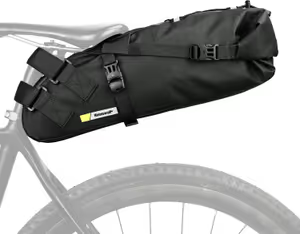
Rhinowalk 10L Waterproof Saddle Bag
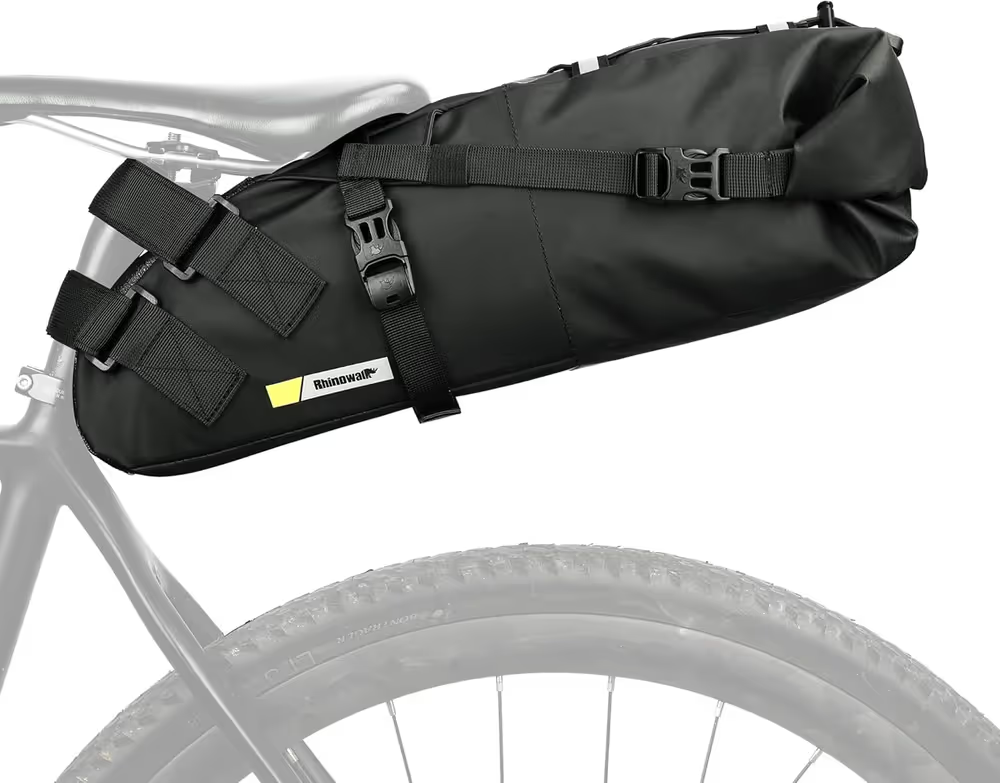
Product shot of Rhinowalk 10L Waterproof Saddle Bag by Rhinowalk
Best For Weekend Bikepacking

Tech Specs

Capacity
10 L on this link, also 13 L (listing)
Material
PVC-coated polyester (listing)
Inner Bag
Fabric rated to 3,000 mm (listing)
Seams
Stitched, sealed with a rubber strip (listing)
Stiffening
None listed
Mounting
Four straps, four points (listing)
Weight
Not published
The Rhinowalk 10L is a budget roll-top seatpack with a long owner record. Its waterproofing comes from a coated shell, an inner bag and sealed stitching rather than welded seams.

Rhinowalk's listing describes the bag as PVC-coated polyester, with an inner bag made from fabric rated to 3,000 mm of water pressure. The stitching is sealed with a waterproof rubber strip, which Rhinowalk says withstands heavy rain. It is stitched and taped rather than welded, so treat it as rain-proof rather than submersible.

Read the full review

It fixes at four points with four straps, and Rhinowalk says pressing the buckles home after tightening reduces loosening over bumps. A cross elastic cord on top holds a pump, a wet jacket or a helmet. A reflective strap, a reflective logo and a tail-light hook help on road links after dark.

The listing offers 10 and 13 litre versions, and this link opens the 10 litre. A 10 litre seatpack suits a summer sleeping bag and spare layers on an overnighter, or clothes on a hotel tour. Check the clearance between the saddle rails and the tyre before buying, because a loaded seatpack sags towards the wheel.

Owners on Amazon US gave it 4.4 stars from 787 ratings in October, a long record for a budget seatpack. Rhinowalk does not publish a weight on the listing. The plastic buckles are the hardware most likely to fail first, and they are cheap to replace.

Full review, score breakdown & specs

The Verdict

A sound budget roll-top seatpack with a long, positive owner record. Rain-proof by design, not submersible.

GravelPacker score How we score
4.1/5
Durability
4
Performance
4
Usability
4
Value
4.5
  • • Long owner record, 4.4 stars from 787
  • • Inner bag rated to 3,000 mm, sealed stitching
  • • Elastic cord and tail-light hook

The Good

  • + Long owner record, 4.4 stars from 787
  • + Inner bag rated to 3,000 mm, sealed stitching
  • + Elastic cord and tail-light hook

The Bad

  • − Stitched, not welded, so not submersible
  • − No published weight
  • − Plastic buckles are the weak point
Product shot of Cashmeren Men's Classic Turtleneck Cashmere Sweater by Cashmeren
Best For Camp Layer

Tech Specs

Material
100% Pure Cashmere
Fit
Classic / Slim
Feature
Turtleneck
Weight
~200g
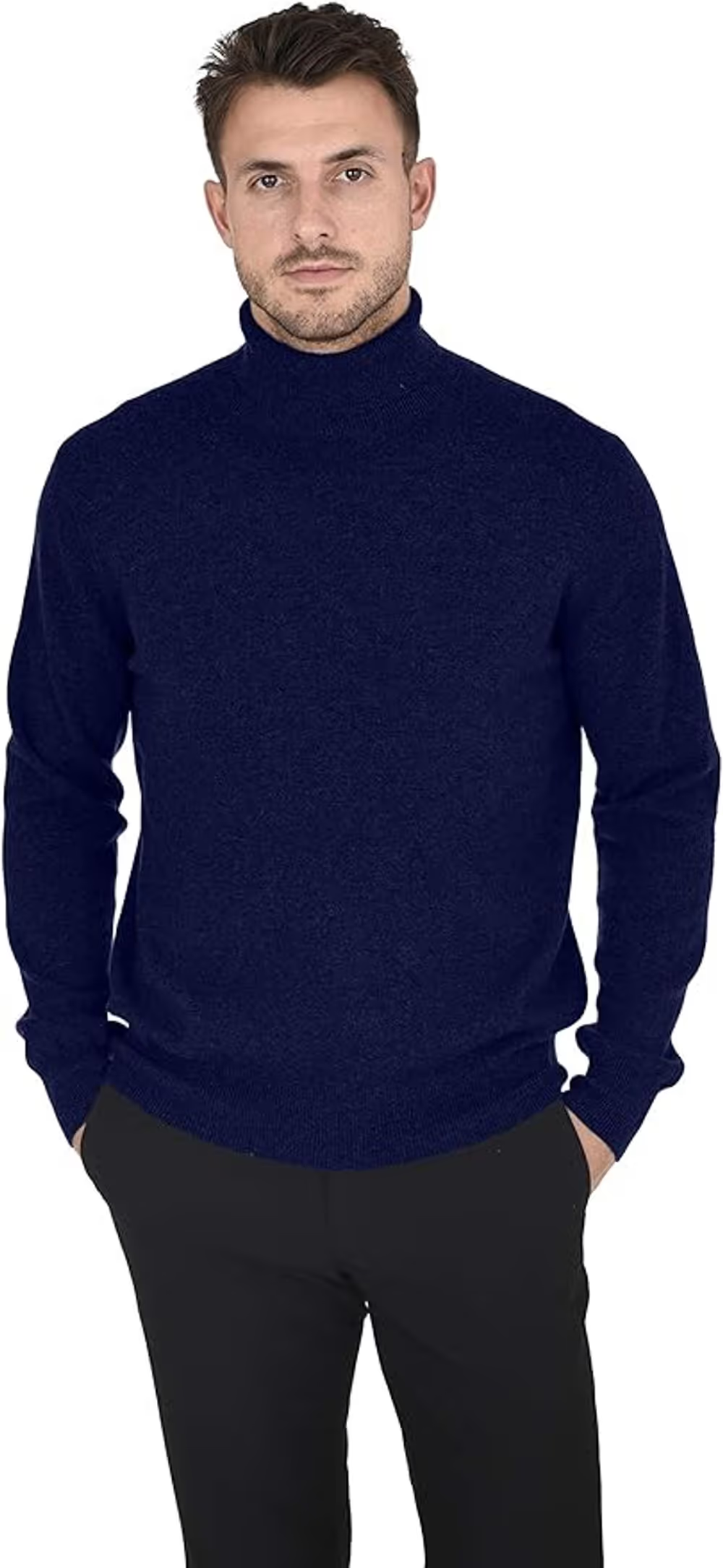
The trip MVP. Nobody expects a cashmere turtleneck to end up as the most-reached-for item on a loaded gravel tour, but here we are.

Cashmere sounds fragile for a bike tour. The fibre is finer than merino, which means it traps more air per gram, so a garment that packs to the size of a large apple and weighs around 200g delivers warmth a fleece twice its bulk cannot match. The high neck removes the need for a separate gaiter, and the slim cut layers under a shell without bunching.

Read the full review

The warmth-to-pack-size ratio is the whole argument, and it is why this makes the list ahead of a cheaper synthetic mid-layer. On a four-day trip the layer you carry is the one that stays packed most of the time and has to earn its volume when it comes out — cashmere earns it at dusk, at camp, and inside the sleeping bag as an extra layer on a night colder than forecast. Fine wool also resists odour far better than synthetics over consecutive days without washing, which matters more than it sounds when there is no laundry for a week.

The trade-offs are real and worth naming. At $70 it is one of the more expensive items in this kit, and it is the only one that can be destroyed by a velcro strap — pack it in a mesh or soft stuff sack, never loose against a harness. It is also a warmth layer, not a wind layer: cashmere is porous, so on an exposed descent it needs a shell over it to do anything at all. Anyone expecting it to replace a windproof will be disappointed for reasons that have nothing to do with the garment.

Full review, score breakdown & specs

The Verdict

The unexpected MVP of a loaded gravel tour. Warmer than merino per gram, compresses to nothing, and looks like you belong in both a mountain hut and a Parisian cafe.

GravelPacker score How we score
3.6/5
Durability
3
Performance
4.5
Usability
3.5
Value
3.5
  • • Exceptional warmth-to-weight
  • • Compresses to apple-sized
  • • Built-in turtleneck
$70.00
At time of review
Available with Amazon Prime
Buy on Amazon

The Good

  • + Exceptional warmth-to-weight
  • + Compresses to apple-sized
  • + Built-in turtleneck

The Bad

  • − Requires careful packing to avoid snags
  • − Not for wet/sweaty on-bike use
  • − Premium price
Naturehike // Best For Solo Shelter //
★ 4.3 (1,288 ratings at the retailer)

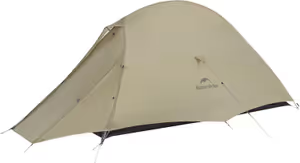
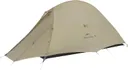
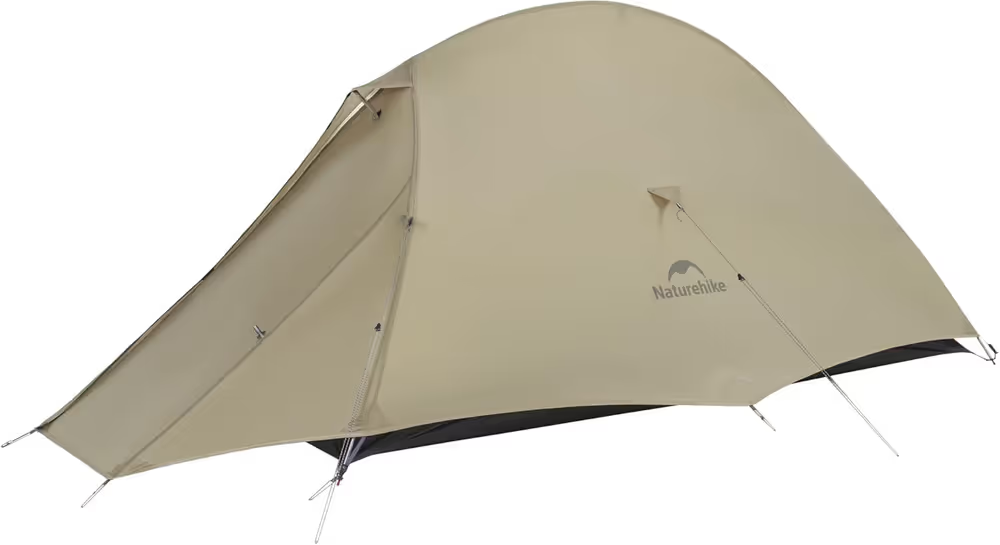
Naturehike Cloud Up 1 Ultralight Tent

Product shot of Naturehike Cloud Up 1 Ultralight Tent by Naturehike
Best For Solo Shelter

Tech Specs

Weight
1.66 kg (210T), 1.62 kg (20D Pro), 1.46 kg (15D UL), Amazon listing figures
Packed Size
39 x 13 x 13 cm
Poles
7075 aluminium, one hubbed set, freestanding (listing)
Floor
1.89 m² inner (210 x 90 cm)
Peak Height
105 cm (listing)
Doors
One, with one vestibule
Fabric
210T polyester (base), 20D silicone nylon (Pro), 15D nylon (UL)
Waterproofing
3000 mm (210T and 20D Pro)
Included
Footprint, 14 stakes, 5 guylines (listing)
A solo tent that packs to 39 cm, short enough for a drop-bar roll. Pick the colour carefully, because it decides the fabric and the weight.

The Cloud Up 1 is one listing with three versions, chosen by colour. The base tent uses 210T polyester and Amazon lists it at 3.66 lb, the Pro uses 20D silicone-coated nylon at 3.57 lb, and the UL uses 15D nylon at 3.22 lb. Naturehike's own store gives the current Pro as 1.23 kg minimum and 1.39 kg packed, with a PU3000+ fly and a PU5000+ floor.

Read the full review

The detail that matters on a bike is the packed length. Every version packs to 39 x 13 x 13 cm, short enough for a bar roll on most drop bars, where longer solo tents foul the levers. Naturehike and Amazon describe it as freestanding, though a review of the older version notes the foot end needs pegs to tension properly, so plan on staking it.

Inside it is a one-person tent in the literal sense, 210 x 90 cm, with a small front vestibule for shoes and one bag. It has by far the largest owner record of Naturehike's solo tents, 4.3 stars across 1,288 Amazon US ratings in October. The low-star reports include a pole that broke after two uses and requests for more ventilation, so carry a pole splint.

Full review, score breakdown & specs

The Verdict

The solo tent that fits a drop-bar roll. Check which version the colour you pick is, because the weight and fabric change with it.

GravelPacker score How we score
4.1/5
Durability
4
Performance
4.5
Usability
3.5
Value
4.5
  • • Packs to 39 x 13 x 13 cm
  • • 1,288 owner ratings, 4.3 stars
  • • Single hubbed pole, quick to pitch

The Good

  • + Packs to 39 x 13 x 13 cm
  • + 1,288 owner ratings, 4.3 stars
  • + Single hubbed pole, quick to pitch

The Bad

  • − Tight inside, little room for bags
  • − Weight and fabric vary by colour
  • − Foot end needs pegs to tension

Also rated

4. AEGISMAX

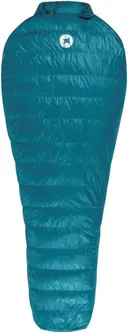
AEGISMAX Nano 2 800FP Goose Down Sleeping Bag

3.8 /5

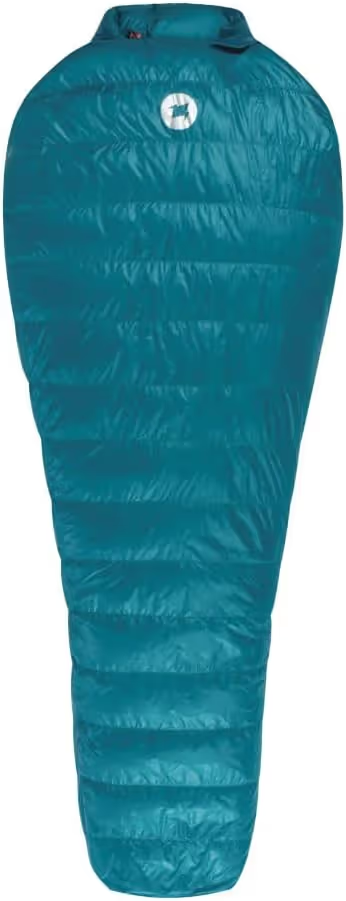
The Nano 2 is Aegismax's light mummy bag, and it leaves the hood off to save weight. It is the bag to look at if you want a closed tube with a zip but think a hood is extra weight you will not use.

Fill
350 g, 800FP goose down (Regular)
Weight
624 g (Regular)
Temperature_Rating
5°C Comfort / 0°C Limit (EN, maker's figure)
5. ROCKBROS

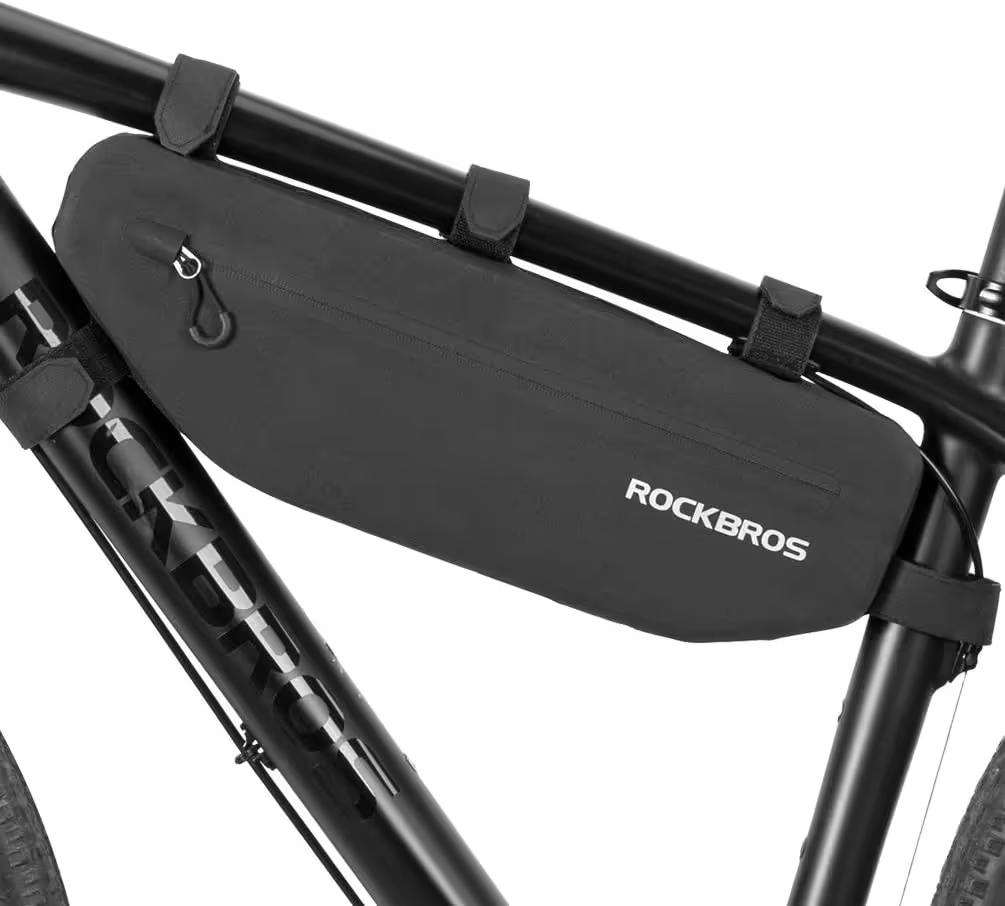
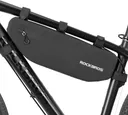
ROCKBROS 840D Nylon Bike Triangle Bag (3L)

3.9 /5

This is a small wedge bag rather than a frame filler. It holds tools, spares and snacks under the top tube, and on most frames leaves room for bottles below.

Type
Under-top-tube wedge
Capacity
3 L (a 4 L version is on the same listing)
Weight
198 g (listing)
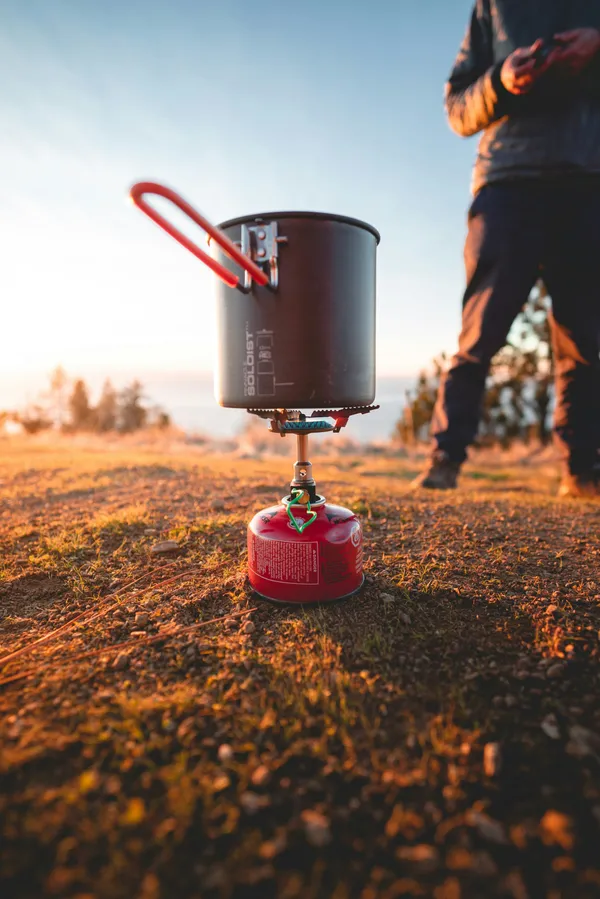
6. Good To-Go

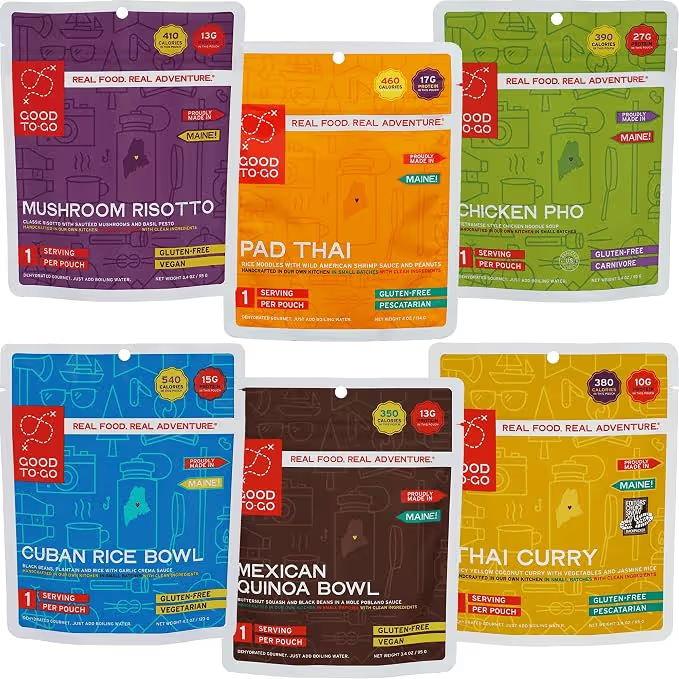
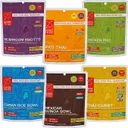
GOOD TO-GO Food Kit Assortment

4.1 /5

Real food. After 90km on gravel, the difference between a Mountain House meal and a Good To-Go meal is the difference between tolerating your dinner and actually looking forward to it.

Prep_Time
15-20 minutes (boiling water)
Calories
400-600 per serving
Shelf_Life
4-5 years
7. INIU

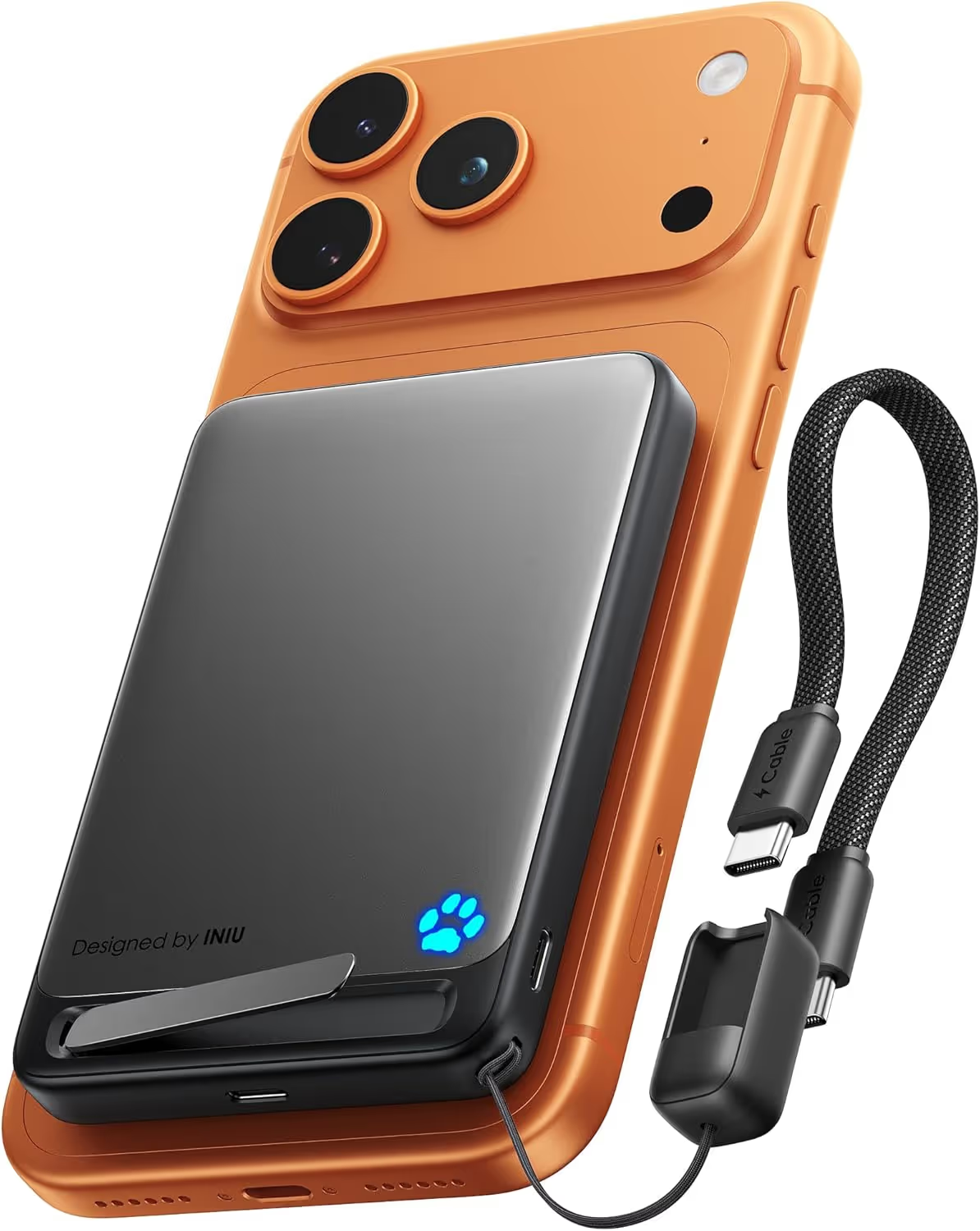
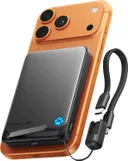
INIU P73-E1 Qi2 Magnetic Power Bank (10,000 mAh)

3.6 /5

The P73-E1 clips magnetically to the back of an iPhone and charges it without a cable. Its USB-C ports also refill and charge quickly, which suits cafe stops.

Capacity
10,000 mAh, 38.5 Wh (maker)
Weight
189 g (maker), 194 g (listing)
Size
106 x 72 x 14 mm (maker)
8. Garmin

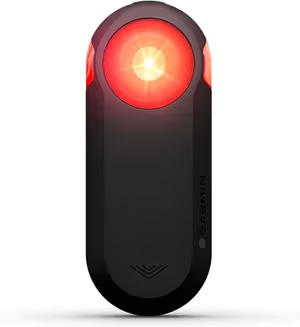
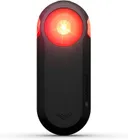
Garmin Varia RTL515 Radar Tail Light

4.3 /5

A rear light with radar that warns of cars approaching from behind. On gravel routes with road links it is the most practical safety addition on the market.

Detection_Range
140 metres
Battery_Life
16 h day flash, 6 h solid or night flash (Garmin manual)
Water_Rating
IPX7
9. DT Swiss

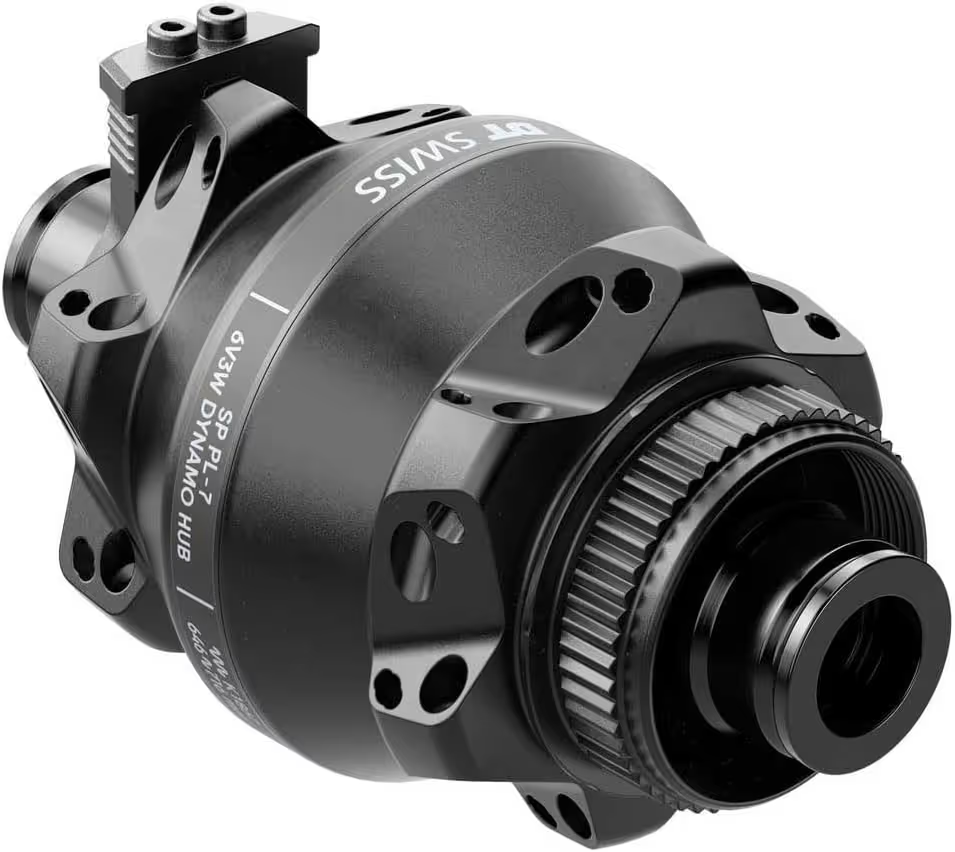
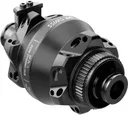
DT Swiss 350 Dynamo Front Hub (Shutter 35P)

4.0 /5

The DT Swiss 350 dynamo hub puts Shutter Precision's generator inside a DT Swiss shell. Paired with a USB converter, it turns riding time into charging time on a long tour.

Output
6 V / 3 W
Axle
12 x 100 mm thru-axle
Brake
Center Lock disc
Buying Advice

What to look for

The difference between a good kit and a great kit is not usually the big items. Nobody forgets to bring a tent. The gaps are always in the layers, the food, and the power management, and this guide focuses heavily on all three.

The Sleep Foundation: Tent vs Bag

For a trip like this the classics hold up. The Naturehike Cloud-Up 1 is a 1-person tent that provides all the enclosure you need for a fraction of the price of boutique brands. Paired with the AEGISMAX Nano 2, which Aegismax lists at 15 x 25 cm packed, you have a sleep system that fits into a single seat pack with room to spare.

Related Read

Why Your GPS Died: Managing Power for Triple-Digit Days

Navigation failure is a major risk on long gravel routes. Learn how to stretch your GPS battery life for triple-digit days and manage your power effectively.

Luggage Strategy: Budget vs Boutique

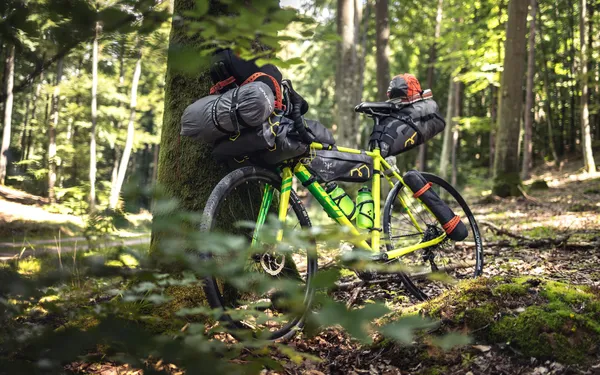
A mixed bag setup does this job better than a matched set. The Rhinowalk 10L Saddle Bag takes the bulky sleep system, the Rockbros Triangle Frame Bag takes the dense weight in the main triangle. Both are budget options, and both have the welded construction and rigid mounting that the price bracket usually skips. The key is stable packing: heavy items in the frame bag, light and bulky items in the saddle bag.

On Layering: Why Cashmere Beats Merino at Camp

Merino wool is the default recommendation for bikepacking base and mid-layers because it handles sweat well and doesn't hold odor. It's a good choice. Cashmere is a better choice for a dedicated camp layer. The fiber is finer, which means more warmth per gram and a smaller pack size. A 200g cashmere turtleneck provides more warmth than a 300g merino fleece when you are stationary at camp.

On Power: Power Bank vs Dynamo Hub

The right answer depends entirely on trip length. For a 2-4 day tour, a quality 10,000mAh wireless power bank like the INIU Slim is lighter, cheaper, and simpler than a dynamo hub setup. For a 7+ day self-supported tour, the dynamo hub is the only reliable answer. The DT Swiss 350 dynamo hub produces continuous power at normal riding speeds and eliminates battery anxiety.

On Safety: The Varia Radar is Not Optional

Every road-exposed gravel route involves some tarmac with fast-moving vehicles. The Garmin Varia gives you 140 metres of advance warning when a vehicle is closing behind you. Eight seconds is the difference between reacting calmly and being startled.

Related Read

Hydration on the Down-Tube: The Mud-Free Water Strategy

That down-tube bottle cage is critical real estate for water, but it is also a mud magnet. Here is how to setup a clean, dirt-free hydration system.

Methodology

How we chose

This is a kit built for a four-day gravel tour across mixed terrain — extended unpaved sections, rural road crossings, and camping in both woodland and exposed grassland. Every choice below is justified against that use case, not against a spec-sheet ideal.

What we weighted

Three criteria decide whether an item earns a slot: how often you would reach for it, how it behaves under sustained vibration, and its warmth-to-weight or utility-to-weight ratio. Anything that scores well on only one is a luxury, not a kit item.

Where the interesting choices are

The cashmere layer is the entry most people would cut, and the one with the best case for staying — it handles a wider temperature band than a fleece at a similar weight. The Rhinowalk saddle bag is the argument that you don't need to spend $150 for a waterproof seat pack that holds its shape. The Varia radar is the item that changes how exposed road sections feel, which is the hardest benefit to justify on a spreadsheet and the easiest to justify once you've used one.

Q&A

Frequently Asked Questions

Is a cashmere sweater really practical on a bikepacking trip?

More practical than it sounds, if you treat it as a dedicated camp layer rather than a cycling garment. Pack it in a small mesh bag to protect it from velcro. It provides noticeably more warmth per gram than equivalent merino mid-layers.

How much does a complete dynamo hub setup cost?

Budget $400-600 total: the hub, a professional wheel build, and a quality USB converter. For serious touring riders, the elimination of battery anxiety is worth every penny.

Are budget bags from Rockbros and Rhinowalk actually waterproof?

The Rhinowalk 10L seals its stitching and lines the bag with fabric rated to 3,000 mm, and owners report dry contents through a day of rain and hail. The Rockbros frame bag is only water-resistant; it will handle a light shower, but your electronics should still be in a dry bag inside it.

Is 10,000mAh enough for a 4-day tour?

If you prioritize navigation and put your phone on airplane mode at night, 10,000mAh will comfortably cover an iPhone and a GPS head unit for four days.

Keep Riding

More Gear →
Reviewer

The GravelPacker Desk

GravelPacker is a research desk, not a test lab. We read the spec sheets, the long-run owner reports and the forum threads where things break, then score what survives that reading against a rubric we publish. We say so plainly because a review you can check is worth more than one you have to trust.