Cooking
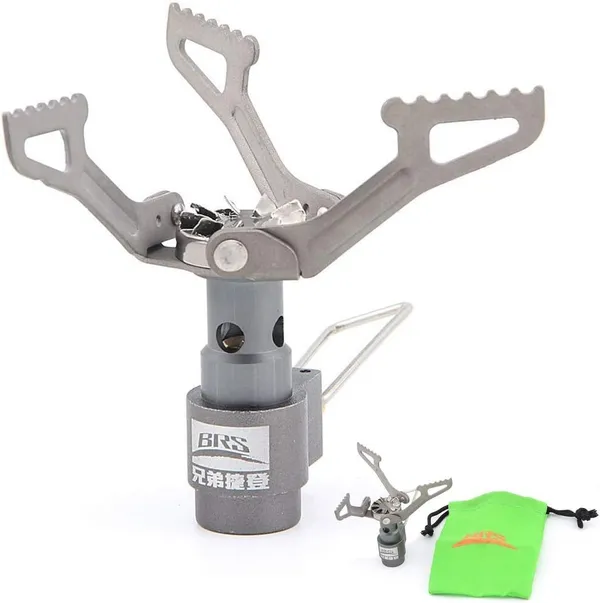
MSR PocketRocket 2 vs BRS-3000T vs Jetboil Flash
Three stoves from $17 to $130 judged on boil time in wind, pot stability, fuel economy and what each one costs you in grams. None is the answer for everyone.
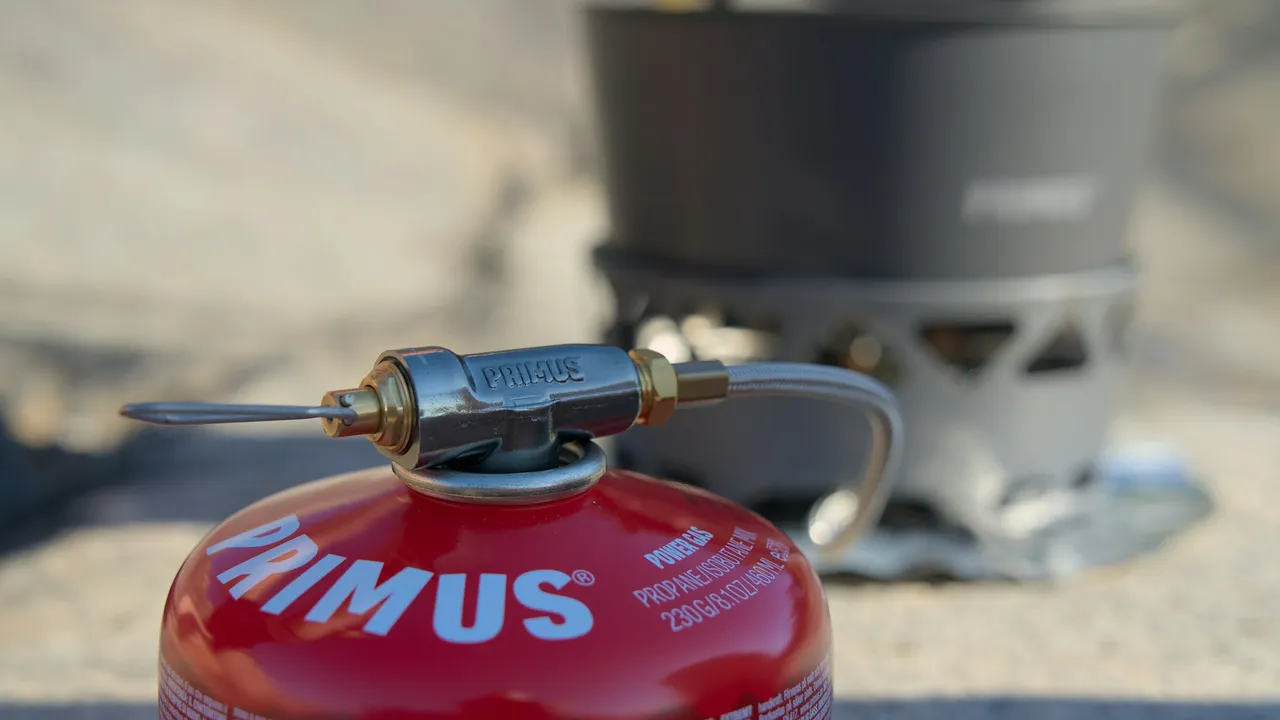
Your stove is not broken. The gas in the canister is not turning into vapour fast enough.
A canister holds liquefied gas under its own pressure, and the stove burns the vapour above the liquid. How readily that liquid vaporises depends on temperature. Warm canister, high pressure, strong flame. Cold canister, low pressure, weak flame.
The complication is that vaporising fuel absorbs heat from the liquid, so a running stove cools its own canister. On a July evening the air replaces that heat as fast as you take it. At altitude on a cold morning it does not, and the flame fades while you watch it.
That is why the symptom people describe is a stove that lights fine and then gets progressively weaker, rather than one that will not light at all.
Canisters are labelled with a blend. Butane, isobutane, propane, usually in some combination.
Butane vaporises at about minus 0.5°C, so it is useless below freezing. Isobutane manages roughly minus 12°C. Propane goes to about minus 42°C and is the component actually keeping you in business on a cold morning.
Buy the highest propane content you can find, sold as an isobutane-propane mix. It costs nothing extra and it is the single largest improvement available to you, made in a shop rather than in a field.
The catch worth knowing: propane vaporises first, so a canister's blend gets worse as it empties. A half-used canister performs meaningfully worse in the cold than a fresh one, which is why cold trips get the new canister.
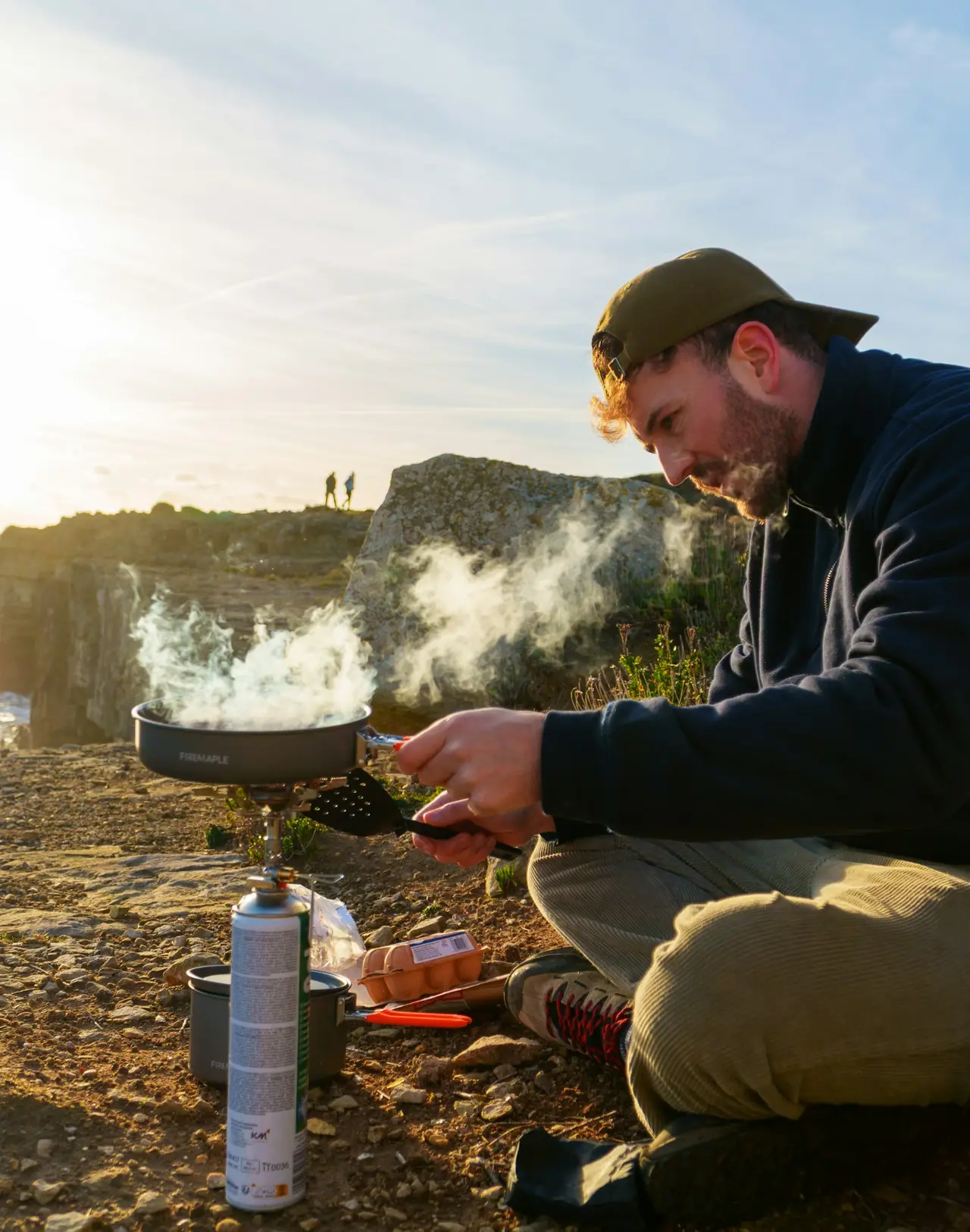
Keep the canister warm before you use it. Overnight it goes in the tent, ideally in the foot of your sleeping bag or inside a jacket. Twenty minutes of body heat is worth more than every other trick combined.
Insulate it from the ground while it runs. A canister sitting on cold rock or snow is being actively cooled from below, and a folded piece of foam pad or even a glove underneath makes a visible difference to the flame.
Warm water works when you have it. Standing the canister in a bowl of lukewarm water, the temperature of a comfortable bath and no more, holds it steady while it runs. This is the most effective field fix there is.
Water That Tastes Like Plastic: Cleaning Bladders and Bottles on Tour
Your water tastes like a shower curtain because something is growing in the hose. Here is the field clean, the deep clean, and how to stop it coming back.
Shake it, briefly, if the flame is fading mid-boil. Sloshing the liquid redistributes the heat that is left in the canister and buys you another minute. It is a stopgap rather than a fix.
Do not put a canister near a flame. Not on a rock beside the fire, not over the stove's own burner, not wrapped in foil to catch heat off the pot. These are all things people do and they are all ways of heating a sealed pressure vessel with no control over where it stops.
The bowl of warm water works because water cannot exceed 100°C and lukewarm water is nowhere near that. Direct flame has no such limit.
Do not invert a canister on a stove designed to run upright. Feeding liquid fuel into a burner with no preheat tube produces a flare rather than a flame, and it is a genuinely dangerous thing to do next to a tent.
If you cook below freezing more than occasionally, this is a gear problem rather than a technique problem.
A remote-canister stove with a preheat loop runs the canister inverted by design, feeding liquid fuel through a tube that vaporises it in the flame. Cold stops being a factor. Liquid fuel stoves solve it even more thoroughly at the cost of weight, bulk and maintenance.
For three-season riding, a good upright canister stove plus a high-propane blend plus a warm canister covers everything you will meet. Riders who sleep with the canister very rarely report a stove that will not light.
Best Budget Bikepacking Gear 2026: 10 Affordable Essentials
A full bikepacking setup without the flagship prices. Ten budget picks under $120 each, with the three that are false economy named.
Performance starts dropping around 5°C and gets serious below freezing. Standard isobutane blends struggle badly under about minus 5°C, and pure butane is effectively useless below freezing. The failure is gradual rather than sudden, which is why people describe it as the stove getting weaker rather than not lighting.
Vaporising the fuel absorbs heat from the liquid left in the canister, so the canister cools itself as it runs. On a warm day the air reheats it fast enough to keep up. On a cold morning it does not, so pressure falls the longer the stove runs, which is why boil times get worse near the end of a canister rather than better.
Warming it in your hands, inside your jacket or in a bowl of lukewarm water is safe and effective. Putting it near a flame, on a hot rock, or over the stove's own burner is not. Canisters are pressure vessels with a defined limit and direct heat is exactly how you exceed it. Skin-temperature warmth is all you need and all you should apply.
It fixes it properly, because it feeds liquid fuel to a preheat tube rather than relying on vapour pressure. That is a different stove, not a modification, and running a standard upright stove inverted is dangerous. If you regularly cook below freezing, a remote-canister stove with a preheat loop is the actual answer.
Look for a canister with a high propane content, usually labelled as an isobutane-propane mix. Propane vaporises far lower than butane, so a blend with more of it holds pressure better in the cold. It is the cheapest improvement available and it happens at the shop rather than at camp.
Three stoves from $17 to $130 judged on boil time in wind, pot stability, fuel economy and what each one costs you in grams. None is the answer for everyone.
Stoves, pots, utensils and the one luxury worth its weight. Eight pieces, judged on what a bike actually has room for.

Your water tastes like a shower curtain because something is growing in the hose. Here is the field clean, the deep clean, and how to stop it coming back.

GravelPacker is a research desk, not a test lab. We read the spec sheets, the long-run owner reports and the forum threads where things break, then score what survives that reading against a rubric we publish. We say so plainly because a review you can check is worth more than one you have to trust.