Maintenance
Water That Tastes Like Plastic: Cleaning Bladders and Bottles on Tour
Your water tastes like a shower curtain because something is growing in the hose. Here is the field clean, the deep clean, and how to stop it coming back.
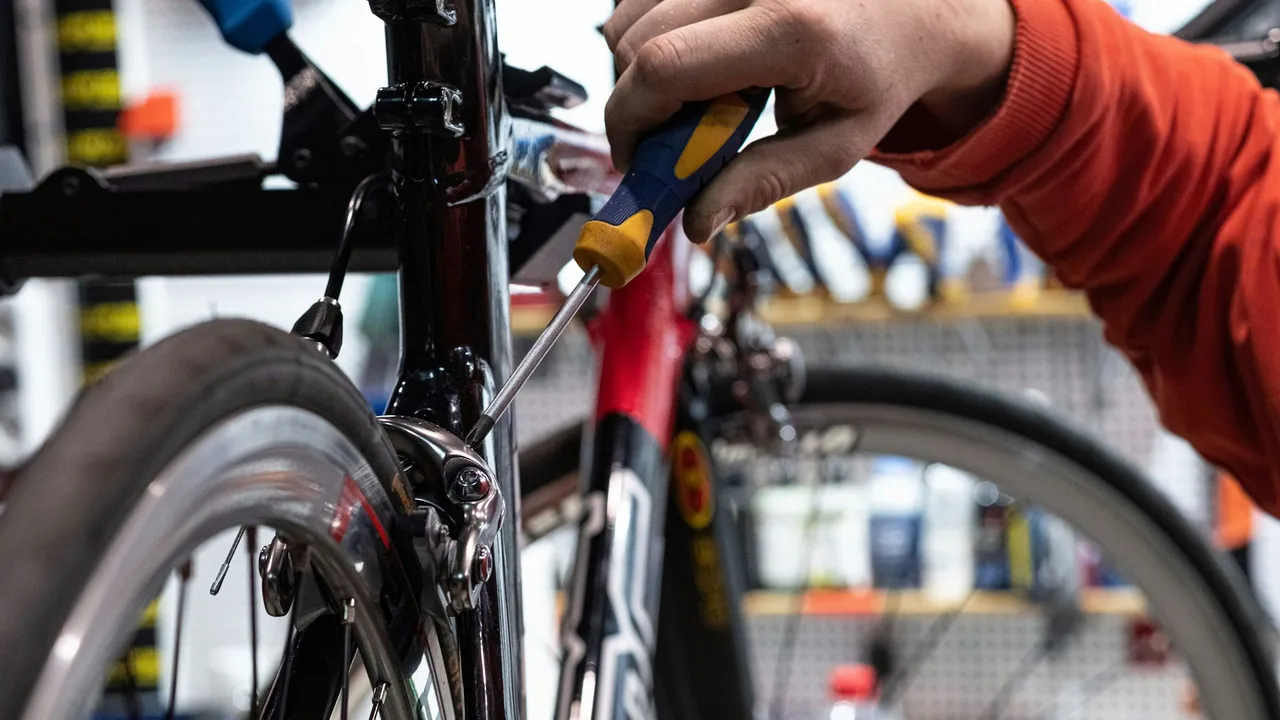
Do these early, because finding them late means either riding a compromised bike or not going.
Chain wear. A chain checker costs 12 dollars and takes five seconds. Past 0.75 percent, replace it, and replacing it late means replacing the cassette too. A worn chain under a loaded bike on a steep climb is the most common way a drivetrain fails mid-trip.
Brake pads. Look at the pad material, not the lever feel. Under about 1 mm of pad, replace before you leave. Loaded descending eats pads far faster than day riding, and a pad that lasts a month of commuting can be gone in three days of loaded mountain descents.
Tyres. Cuts, sidewall damage, worn tread on the centre. Tubeless sealant older than a few months has probably dried out and needs topping up. This is also the moment to fit the wider tyre you keep meaning to try, rather than the evening before.
What Tyre Width and Pressure for a Loaded Gravel Bike?
Widths by surface, a pressure starting point that accounts for your kit weight, and why the number on the sidewall is the wrong place to start.
Work around the bike in one direction so you do not skip anything.
Wheels. Spin each one. Watch for wobble, listen for rubbing, squeeze pairs of spokes to feel for a loose one. Check the axles or quick releases are tight.
Bolts. Stem, seatpost clamp, bottle cages, rack, any accessory mount. A quarter turn check on each. Everything you fitted yourself gets checked twice, because that is where loose bolts live.
Drivetrain. Shift through the whole range. Check the derailleur hanger is straight by sighting from behind. Lube the chain and wipe it, because a wet chain collects grit and a dry one wears fast.
Brakes. Squeeze both hard. Look for a lever coming back to the bar, which means air or a leak, and look for the pads sitting square on the rotor or rim.
Bags and mounts. Fit them loaded. A rack bolt that is fine empty is not necessarily fine with 8 kg on it, and this is the only time you will find out before the road does.
Fixing a Broken Spoke in the Field
What to do when a spoke goes 60 km from anywhere: stop the wheel rubbing, true it roughly by feel, and know when to stop riding it.
Ten minutes around the block, with everything on the bike, packed the way you will actually pack it.
This is the step people skip and it is the one that catches heel strike on panniers, a seatpack rubbing the tyre, a bag blocking a bottle, and the specific rattle that will drive you insane by kilometre 40. All of those are trivial to fix in a driveway and miserable to discover 60 km out.
Ride a kerb. Get out of the saddle. If something is going to shift, it shifts in the first ten minutes and you want that to happen where your tools are.
5 Rookie Bikepacking Packing Mistakes (And How to Fix Them)
Overloading your rear tire and bringing your living room will destroy your ride. Here are 5 amateur packing mistakes and the exact gear used to solve them.
The check changes the repair kit. If the chain and pads are fresh, you are carrying spares against damage rather than wear.
Plug kit and a spare tube, tyre levers, a pump with a gauge, a multitool with a chain breaker, a quick link, a spoke key and an emergency spoke, two Voile straps and some tape. That covers the failures that actually happen.
What it does not cover is the ones you rode into knowingly. No tool in that list replaces a brake pad you should have changed at home.
A week for anything that might need a part, and the night before for everything else. The distinction matters: discovering a worn chain the evening before departure means either riding it worn or not going. Discovering it a week out means ordering a chain.
Punctures, broken chains, worn brake pads and bolts that vibrated loose. Almost nothing exotic. Every one of those is visible in a twenty minute check and three of the four are preventable entirely, which is why the check is worth doing rather than trusting to luck.
A chain checker tool costs about 12 dollars and tells you in five seconds. Past 0.75 percent wear the chain starts eating the cassette, and a chain that snaps on day two of a trip is one you could have replaced for 25 dollars at home. This is the highest-value tool in the list.
Check them, yes. Rack bolts, cage bolts, stem, seatpost clamp and anything you have fitted yourself. Loaded riding on washboard is the harshest vibration most bikes see, and the bolts that come loose are always the ones nobody checked since fitting.
Ride it if it is cosmetic, delay if it is structural. Worn pads, a stretched chain or a cracked rim are not things to ride into remote terrain with a loaded bike. The trip you postpone by a week costs less than the one you abandon at kilometre 60.
Your water tastes like a shower curtain because something is growing in the hose. Here is the field clean, the deep clean, and how to stop it coming back.
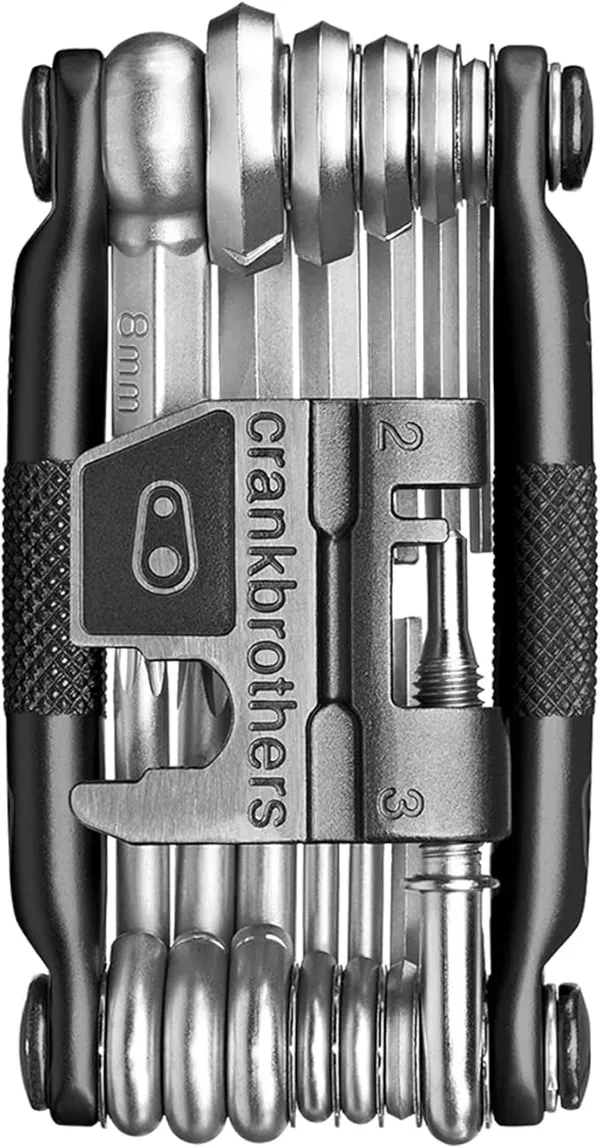
The multi-tool, pump and spares that turn a ride-ending mechanical into a twenty-minute roadside stop. Five picks we would carry on a remote gravel route.
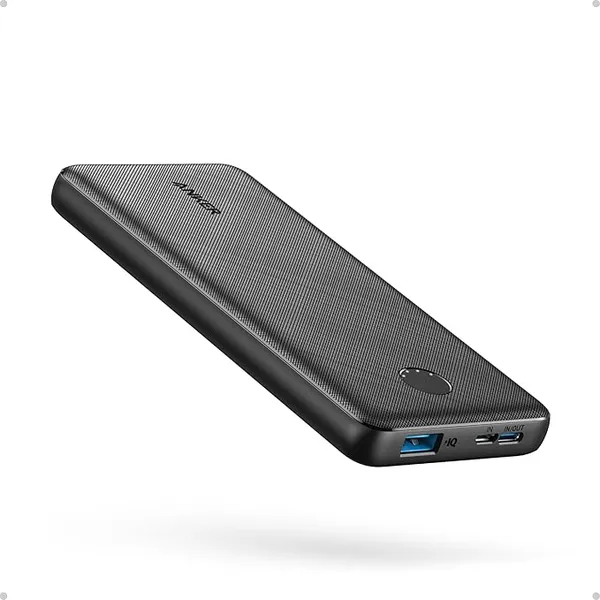
Seven ways to keep a GPS, lights and a phone alive for three days. Capacity per gram, the losses between rated and delivered mAh, and when a dynamo makes sense.

GravelPacker is a research desk, not a test lab. We read the spec sheets, the long-run owner reports and the forum threads where things break, then score what survives that reading against a rubric we publish. We say so plainly because a review you can check is worth more than one you have to trust.