Maintenance
Best Bikepacking Repair Kit: 7 Tools That Get You Home
The multi-tool, pump and spares that turn a ride-ending mechanical into a twenty-minute roadside stop. Five picks we would carry on a remote gravel route.
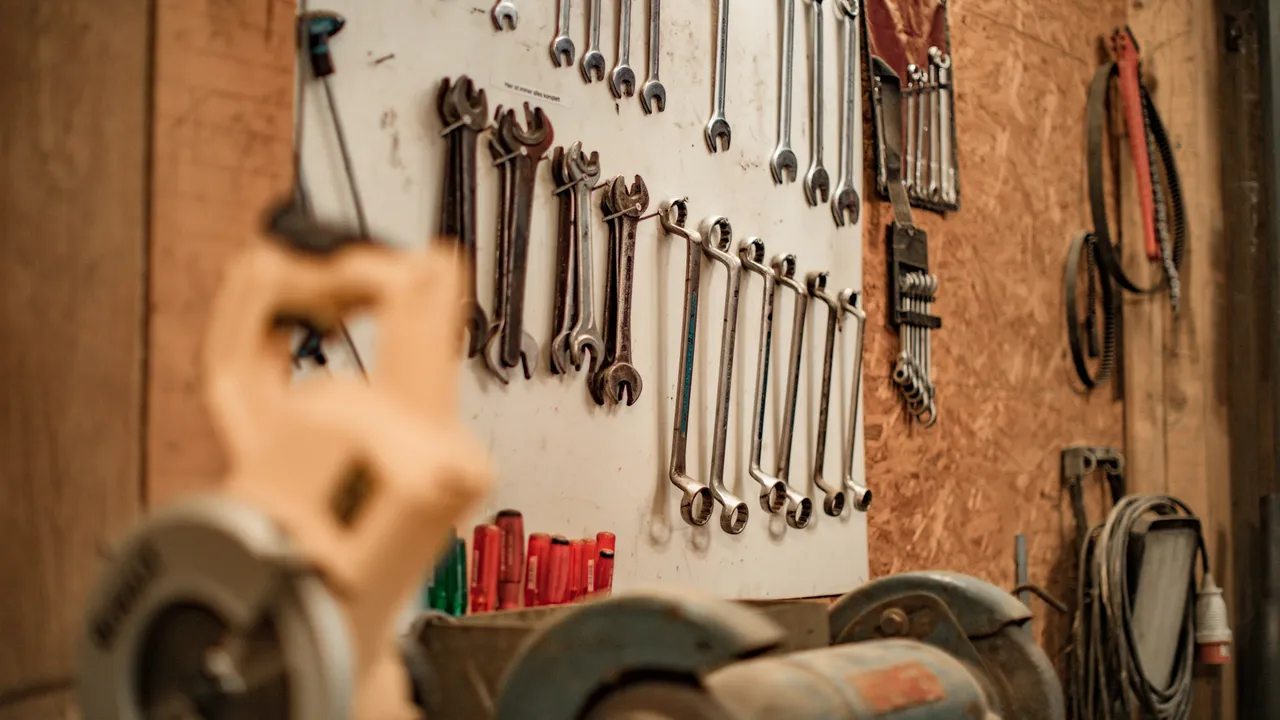
If you are 60 miles into a desert solo mission and every vibration from the washboard is met with a metallic tink-tink-tink from your frame bag, you will eventually lose your mind. It is not just annoying to listen to for hours on end. Trail noise is a symptom of friction, and friction is the ultimate enemy of longevity.
Most bike noise that riders take to a shop is not a loose bottom bracket. It is a poorly secured multi-tool vibrating against a CO2 cartridge, or a zipper pull hitting the frame. When you are riding through technical chunk, your loose tools are effectively acting as miniature hammers inside your bags.
Silence is not just about peace of mind. A silent bike indicates a stable load, and a stable load is a reliable load. Here is how to silence the cockpit, in order of effect.
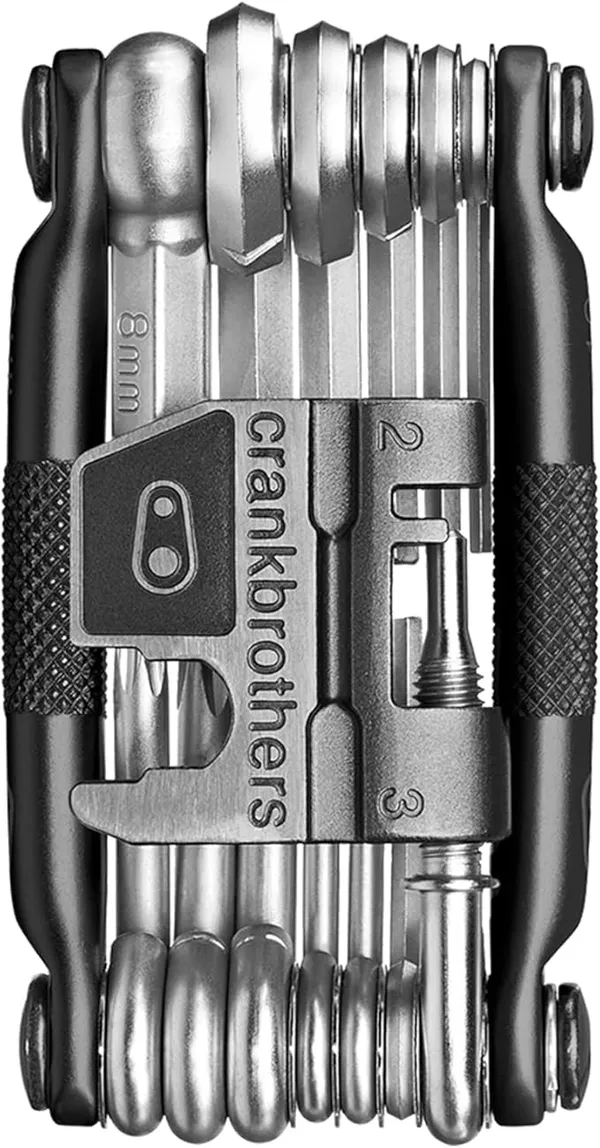
Throwing a bare multi-tool like the Crankbrothers M19 into a loose frame bag pocket is a rookie mistake. It will inevitably shift and find a way to tap against something hard.
Organised pockets do not solve this. Use a dedicated canvas tool roll, or wrap the tool tightly in a shop rag. A simple microfiber cloth held together with a heavy rubber band kills all the rattle and gives you a clean surface to work on when you fix a chain in the mud.
If you use a top-tube gas tank bag for your heavy tools, the rattle is even worse because it is closer to your ears. For these bags, line the floor with adhesive-backed foam. It is a permanent silencer for anything dropped in mid-ride.
The Ultimate Bikepacking Gear List for Beginners (2026 Guide)
Everything you actually need for a first multi-day gravel trip in 2026, from bags to sleep systems, with the kit we would skip and why.
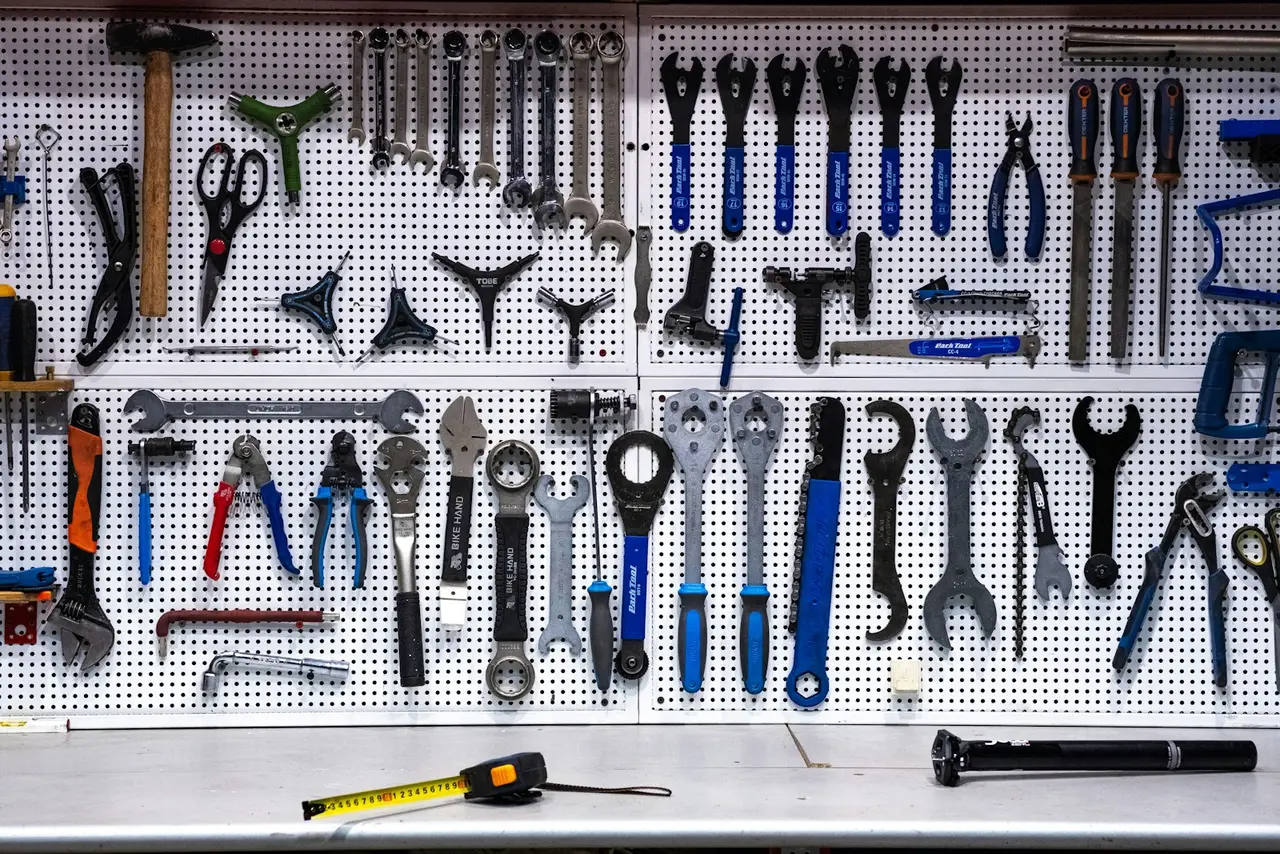
The loudest and most destructive clicks on a bike come from metal-on-metal contact. If you carry CO2 cartridges, they absolutely must be sleeved. Wrapping a spare rubber tube around the threads is a free and permanent fix.
Plastic tire levers are quiet, but if you insist on using metal downhill levers, they need to be completely nested inside a rag or securely taped together. Tiny spare parts like valve nuts and quick links should live in a tiny plastic baggie. You should then shove that baggie deep into the center folds of your spare tube.
8 Best Bikepacking Handlebar Bags for Every Budget (2026)
From a 20-litre roll and pouch set for multi-day trips to thermal-insulated lunchboxes for day rides, we compare 8 budget handlebar bags for gravel bikepacking.
Replace every factory metal zipper pull with a loop of 2mm paracord. It sounds like a trivial detail until you are riding through a silent pine forest. All you want to hear is your own breathing instead of a metallic orchestra.
Check your bag mounting points constantly during your first ride. If a heavy tool is sitting directly against the side of a frame bag strapped to the downtube, it will vibrate the tube itself. This turns your entire frame into a massive hollow resonator.
Use small pieces of high-density foam as bumpers between bag and frame at every high-impact contact point. This does not just stop the maddening noise. It physically stops the vibration from slowly fatiguing the bag fabric and rubbing through your frame finish.
If you cannot ride in total silence, you will not hear when the real mechanical problems start. A quiet bike lets you hear the first subtle sign of a rubbing brake rotor or a dry chain. You can fix it long before it becomes a ride-ending failure.
A rattle is not only irritating. It masks the sounds that tell you something is going wrong.
A dry chain, a loose cassette lockring, a cracking spoke and a bottom bracket starting to fail all announce themselves quietly first. On a bike that already clatters, the first time you notice any of them is when they stop being subtle.
Riders who silence their cockpit tend to catch mechanicals earlier, which on a remote route is worth more than the peace and quiet.
Putting loose tools in a pouch moves the noise rather than removing it. The tools still knock against each other inside the bag.
Wrap them so nothing can move relative to anything else. A cloth tool roll does this properly and doubles as something to kneel on and to wipe your hands with. A wide rubber band around a multi-tool stops the individual bits fanning out and clicking, which is the specific noise most people are chasing.
Anything metal that has to share a pocket with another metal object needs something between them. A single sock does more than another zipped compartment.
Once the tools are quiet, the next rattle becomes audible. Work through the usual sources in order.
Bottle cages are the most common. Check the bolts, and if a bottle rattles in the cage, a strip of tape or an old inner tube section inside the cage arm fixes it.
Cable and hose ends slap against the frame on rough ground. Reroute or add a small adhesive frame protector where they contact.
Quick links and spare bolts kept loose in a top tube bag are surprisingly loud. Tape them to a card or keep them in a small tin.
Anything mounted with a rubber shim will loosen as the rubber compresses over a season. Retorque bar and stem hardware to spec rather than to feel.
The test takes a minute. Lift the bike a few centimetres and drop it onto both wheels on a hard surface, then listen.
Do it fully loaded, because an empty bike tells you nothing about how a packed one behaves. Repeat after the first day on the road: webbing stretches, foam compresses and things that were silent in the garage will have found room to move.
If you can hear something and cannot place it, ride a short section standing up. Most rattles that only appear under load are in the cockpit or the seat pack, and standing changes the loading enough to isolate them.
Because that is where components have enough room to move. A rattle that appears on washboard and disappears on tarmac is nearly always a loose accessory, a bottle in its cage, or tools knocking together in a bag rather than anything structural.
Wrapped rather than contained. A cloth tool roll stops everything moving relative to everything else, and a rubber band around the tool itself stops the bits fanning out and clicking. A zipped pocket alone just moves the noise.
Yes, because it masks the sounds that warn you about real problems. A dry chain, a loose lockring and a failing bottom bracket all start quietly. On a noisy bike you notice them late, which matters more the further you are from a shop.
Lift the loaded bike a few centimetres and drop it onto both wheels on a hard surface, then listen. If it only appears under load, ride a short section standing up, which changes the loading enough to isolate cockpit and seat pack noise.
Always. Webbing stretches, foam compresses and straps bed in. Things that were silent in the garage will have found room to move by the end of day one, and that is the cheapest time to fix them.
The multi-tool, pump and spares that turn a ride-ending mechanical into a twenty-minute roadside stop. Five picks we would carry on a remote gravel route.
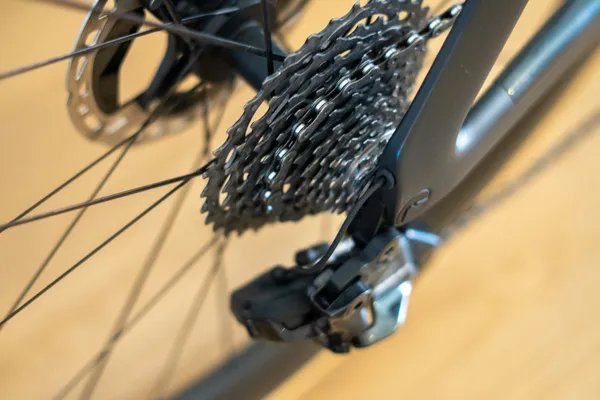
Chain slap chews through paint and carbon on rough gravel. Protection, clutch tension and chain length fixes that silence it for good.
The quilts, bags and pads that pack down small enough for a seat pack and still get you through a cold night. Ten picks from ultralight to budget.

GravelPacker is a research desk, not a test lab. We read the spec sheets, the long-run owner reports and the forum threads where things break, then score what survives that reading against a rubric we publish. We say so plainly because a review you can check is worth more than one you have to trust.