On this page

The Ultimate Bikepacking Gear List for Beginners (2026 Guide)

Trying to figure out exactly what to pack for your first bikepacking trip is overwhelming. We have stripped the noise down to the absolute unyielding essentials.

Published February 13, 2026
Edited by Louis Raveton
When you purchase through links on our site, we may earn an affiliate commission. Here's how it works.
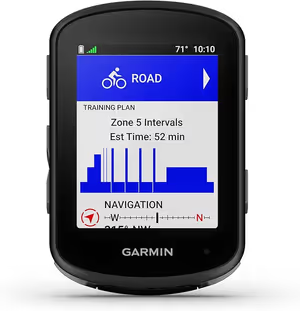
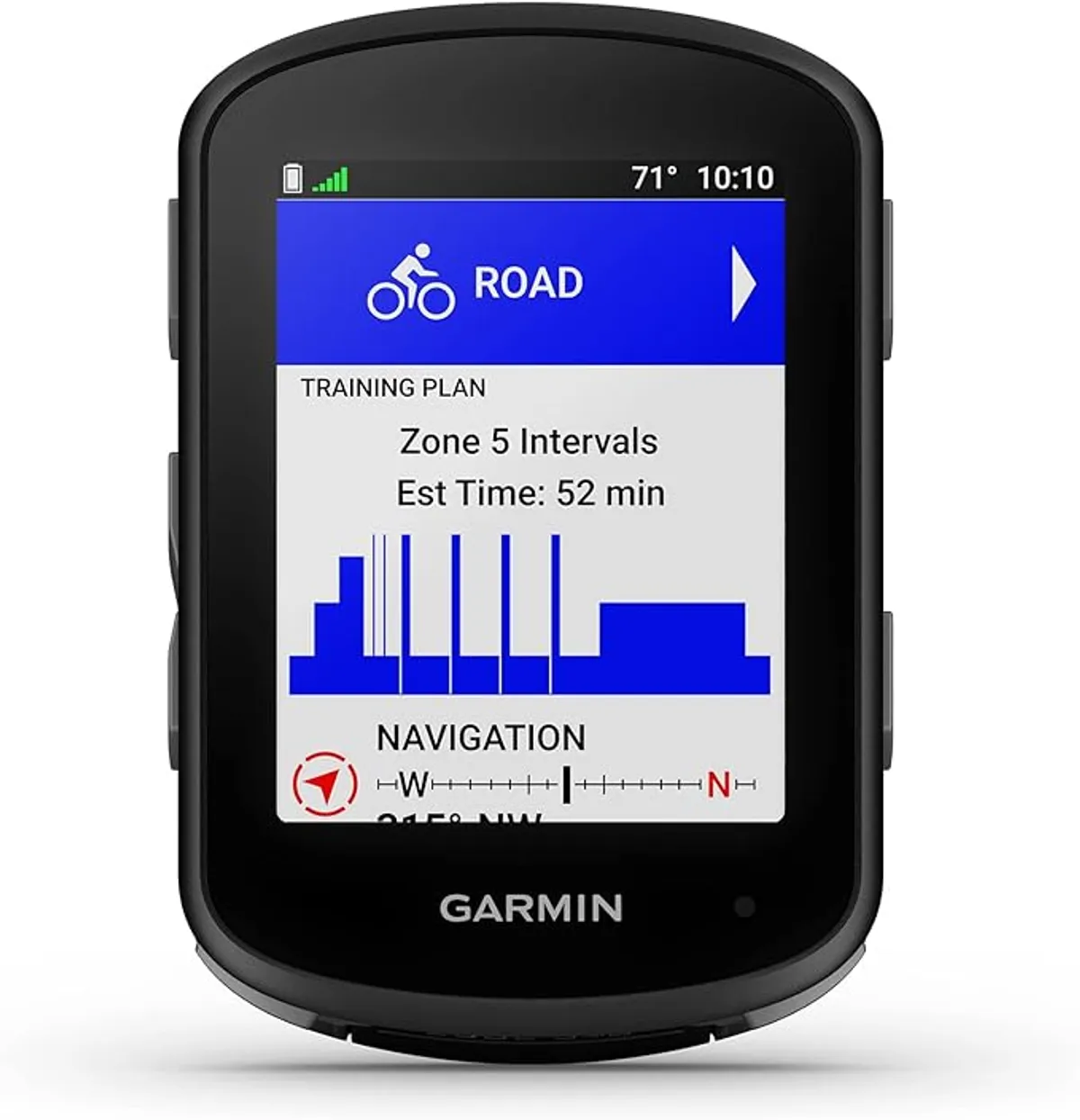
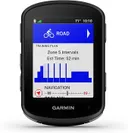
Garmin Edge 540 Cycling Computer, our top pick in The Ultimate Bikepacking Gear List for Beginners (2026 Guide)

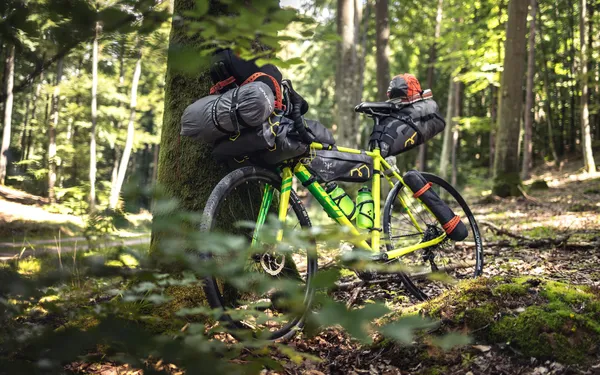
The biggest mistake beginners make is packing their irrational fears. You start thinking about what happens if you get cold, hungry, or snap a derailleur. Before you know it, your bike weighs fifty pounds and handles exactly like a grocery cart with a broken wheel.

For your first trip, you absolutely do not need every shiny gadget under the sun. You need reliable shelter, a warm sleep system, a way to boil water, and a way to navigate. This list focuses on high-performance gear that strikes the brutal balance between manageable weight and actual durability.

These are the core items you buy once and keep for a decade of abuse. If an item is not on this list, you probably do not need it for your first overnighter. Leave the heavy camp chairs and excessive spare clothing at home.

Editor's Choice

  • Buttons work in rain and gloves
  • True turn-by-turn routing with rerouting
  • Integrates with Varia radar
$327.99
Checked Aug 2026
Buy on Amazon

Quick Comparison

Sort
Best for Route Navigation
  • Controls Buttons, not touchscreen
  • Navigation Full turn-by-turn with routable maps
  • Battery Long, with battery saver mode
  • Ecosystem Garmin Connect and Varia integration
Best for Solo Shelter
  • Capacity 1 Person
  • Weight 3.3 lbs
  • Material 20D Ripstop Nylon / PU4000mm
  • Poles 7001 Aluminum
Best for Rail Transport
  • Dimensions 85 x 33 x 69 cm
  • Compatibility 20 inch folding bikes
  • Weight 1.2kg
  • Feature Oxford fabric
Best for Fast Boiling
  • Weight 371g
  • Boil_Time 100 sec / 0.5L
  • Volume 1 Liter
  • Power 9000 BTU/h
Best for Frame Storage
  • Mounting Multi-point hook-and-loop
  • Material Reinforced, water-resistant
  • Access Side zip
  • Warranty Blackburn lifetime
Best for Stream Refill
  • Weight 57g
  • Filter_Life 100,000 gallons
  • Filter_Type 0.1 Micron Hollow Fiber
  • Compatibility Standard 28mm threads
Best for Weekend Power
  • Weight 180g
  • Capacity 10,000 mAh
  • Dimensions 3.6 x 2.3 x 0.9 in
  • Output 5V / 2.4A
Best for Rack Commuting
  • Capacity 9.5 Liters
  • Dimensions 15.3 x 6.9 x 7.9 in
  • Material EVA / Polyester
  • Feature Refective strips
Best for Rack Touring
  • Capacity 10 Liters
  • Material 600D Polyester
  • Attachment Velcro Straps
  • Feature Built-in bottle holder
Best for Phone Navigation
  • Capacity 1.1 Liters
  • Material EVA Hard Shell / TPU
  • Feature Touchscreen phone case
  • Attachment 3x Adjustable Velcro straps
Best for Gear Protection
  • Capacity 2 Liters
  • Weight 190g
  • Dimensions 6.5 x 4.2 x 10 in
  • Material Waterproof TPU
Best for Summer Overnighter
  • Weight 770g
  • Temp_Rating 15°C - 30°C
  • Dimensions 83 x 30 in
  • Material Nylon / Polyester
Best for Field Repair
  • Weight 175g
  • Functions 19 tools
  • Material 6150 Hi-Ten Steel
  • Includes Chain tool / Spoke wrenches
Best for Urban Visibility
  • Lumen_Output 400 Front / 60 Rear
  • Battery USB Rechargeable
  • Modes 4 Lighting Modes
  • Water_Resistance IPX4 Rated
Best for Weekend Trips
  • Weight 104g
  • Group_Size 1-2 People
  • Trip_Duration 1-2 Days
  • Feature Waterproof DryBag

Our Recommendations

Garmin // Best For Route Navigation //
4.4 (533 ratings at the retailer)

Garmin Edge 540 Cycling Computer
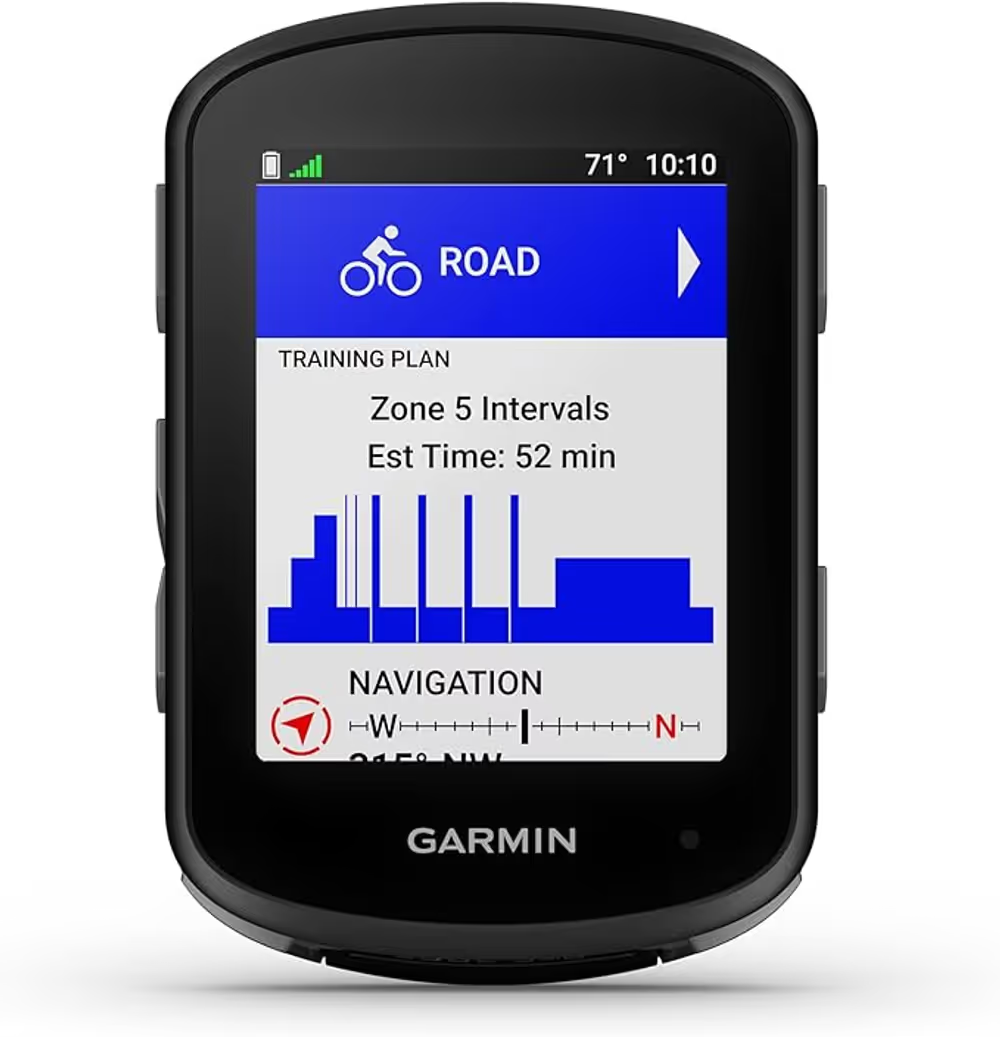
Product shot of Garmin Edge 540 Cycling Computer by Garmin
Best For Route Navigation

Tech Specs

Controls
Buttons, not touchscreen
Navigation
Full turn-by-turn with routable maps
Battery
Long, with battery saver mode
Ecosystem
Garmin Connect and Varia integration
Buttons work with cold wet fingers, which is when you need the map most.

Touchscreens fail in exactly the conditions where navigation matters. Wet fingers, thick gloves and driving rain all defeat capacitive screens, and a device you cannot operate is worse than no device because you stop to fight it. Buttons work regardless, which is the strongest argument for the 540 over its touchscreen siblings.

Read the full review

Garmin's routing is the other reason people pay this much. Turn-by-turn on routable maps, rather than a breadcrumb line you follow by eye, is the difference between navigating and guessing at a junction. Course rerouting when you go wrong is where cheaper units drop out entirely.

It also pairs with the Varia radar, which for anyone linking gravel sectors with road miles is a genuine safety feature rather than a gadget, putting approaching traffic on the same screen you are already looking at. That integration is a real part of what the price buys and it is not something the budget units can replicate.

The objection is straightforward. It costs five times the competent budget units, and for a rider who mostly follows a pre-loaded GPX on known roads the extra buys convenience rather than capability. Battery life is strong but not class-leading, and the screen is small if maps are your main use.

Full review, score breakdown & specs

The Verdict

The dependable choice if you can absorb the price. Button control and Garmin's routing are worth real money on a route you do not know.

GravelPacker score How we score
4.4/5
Durability
4.5
Performance
4.5
Usability
4.5
Value
4
  • Buttons work in rain and gloves
  • True turn-by-turn routing with rerouting
  • Integrates with Varia radar
$327.99
Checked Aug 2026
Buy on Amazon

The Good

  • + Buttons work in rain and gloves
  • + True turn-by-turn routing with rerouting
  • + Integrates with Varia radar
  • + Mature ecosystem and long support life

The Bad

  • Five times the price of capable budget units
  • Small screen for map reading
  • Overkill for following a pre-loaded GPX
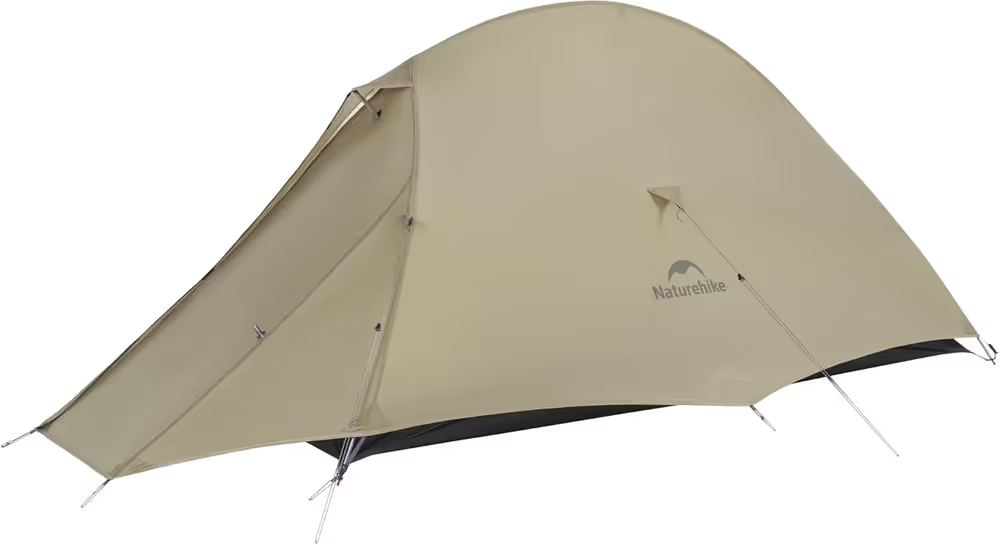
Naturehike // Best For Solo Shelter

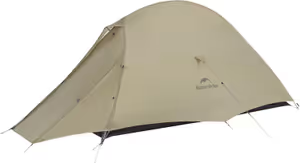
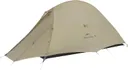
Naturehike Cloud-Up 1 Ultralight Backpacking Tent

Product shot of Naturehike Cloud-Up 1 Ultralight Backpacking Tent by Naturehike
Best For Solo Shelter

Tech Specs

Capacity
1 Person
Weight
3.3 lbs
Material
20D Ripstop Nylon / PU4000mm
Poles
7001 Aluminum
Legitimate solo shelter for 1.5kg. The minimalist's sanctuary.

When going minimalist, every square inch of your pack counts. The Cloud-Up 1 takes the proven blueprint of the Cloud-Up 2 and trims it down for the solo rider. It's a semi-freestanding design, meaning it uses a single Y-shaped pole for the main structure, requiring two stakes at the foot end. This keeps the weight down to a very respectable 1.5kg for the 20D nylon version.

Read the full review

Inside, it's tight (don't expect to be doing yoga in here) but it's exactly what a minimalist needs: a dry, bug-free place to sleep. This high-quality gear is designed specifically for the rigors of multi-day bikepacking adventures across varying terrain. It represents a solid investment for anyone looking to build a reliable and ultralight setup without compromising on essential features or durability.

The vestibule is just bug enough for your shoes and a small bag. The 20D silicone-coated nylon is surprisingly resilient and has kept me bone dry through several Scottish downpours. It's the perfect choice for the solo minimalist who wants a 'real' tent experience without the 'real' tent weight or price tag. This high-quality gear is designed for specifically for the rigors of multi-day bikepacking adventures across varying terrain. It represents a solid investment for anyone looking to build a reliable and ultralight setup without compromising on essential features or durability.

Full review, score breakdown & specs

The Verdict

The king of budget 1-person tents. Light, reliable, and perfectly sized for bikepacking.

GravelPacker score How we score
4.1/5
Durability
4
Performance
4.5
Usability
3.5
Value
4.5
  • Genuine ultralight weight
  • Resilient 20D Nylon
  • Compact pack size
$79.99
At time of review
Buy on Amazon

The Good

  • + Genuine ultralight weight
  • + Resilient 20D Nylon
  • + Compact pack size

The Bad

  • Tight interior space
  • Semi-freestanding (needs stakes)
  • Small vestibule
Rhinowalk // Best For Rail Transport

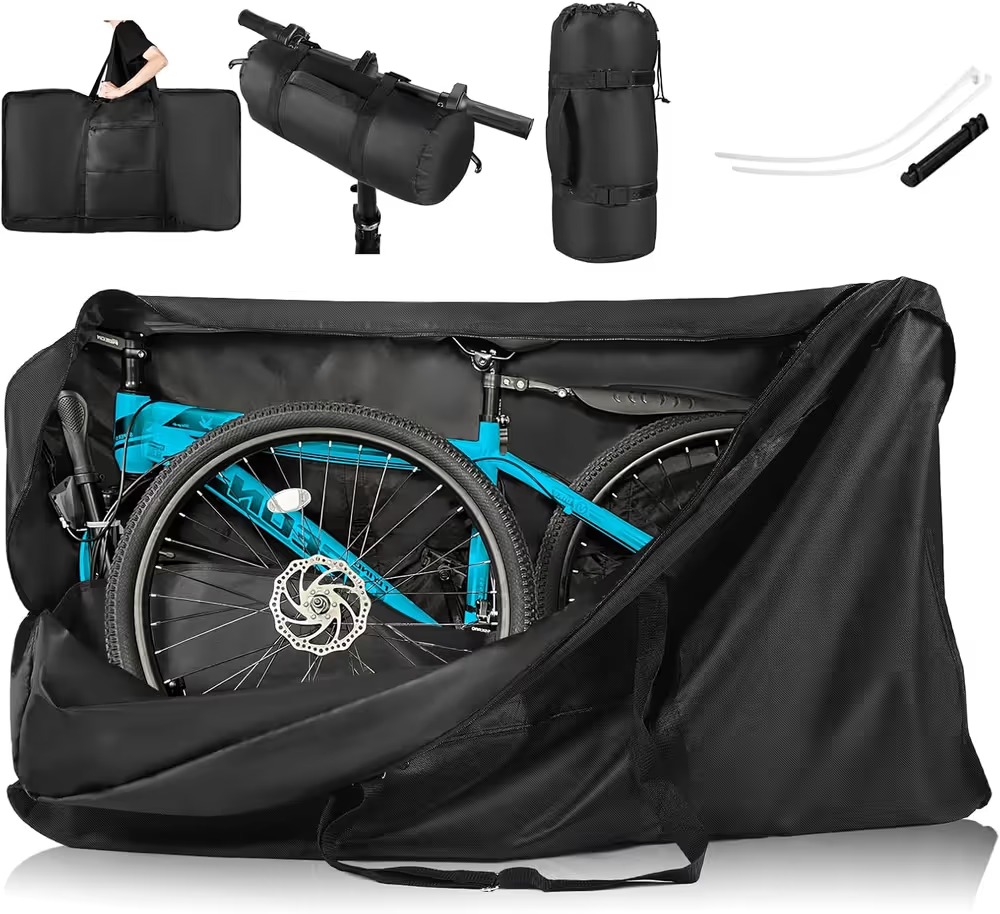
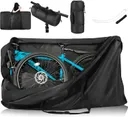
Rhinowalk Bike Transport Bag

Product shot of Rhinowalk Bike Transport Bag by Rhinowalk
Best For Rail Transport

Tech Specs

Dimensions
85 x 33 x 69 cm
Compatibility
20 inch folding bikes
Weight
1.2kg
Feature
Oxford fabric
A 1.2kg Oxford shell for getting a folder onto a train.

At 85 x 33 x 69cm it swallows a folded 20-inch bike, and that specific dimension is the entire point: most rail operators require a bike to be fully enclosed rather than merely covered, and a folder in a proper bag travels as luggage rather than as a bicycle needing a reservation. The Oxford fabric is tough enough to survive being dragged across platforms and stacked under other people's suitcases, which is more abrasion than a bike bag normally sees. At 1.2kg it also stuffs down small enough to carry with you at the far end, so you are not choosing between a bag at the start and a bag at the finish.

Read the full review

Be clear about what it does not do. This is a soft bag with no internal padding or frame, so it protects against dirt, chain grease and scuffing, not against impact — it is not an airline case, and checking a bike in it is asking for a bent derailleur hanger. The 20-inch sizing is also strict: a full-size gravel bike will not go in, wheels off or otherwise. Within its intended job, though, it is the difference between a multi-modal trip being simple and being an argument with a guard.

Full review, score breakdown & specs

The Verdict

Solves one problem completely: getting a folded bike aboard without a fight. It is a dirt and scuff barrier, not armour, and only for 20-inch folders — but within that, it is exactly right.

GravelPacker score How we score
4.0/5
Durability
4
Performance
4
Usability
4
Value
4
  • Full enclosure satisfies most rail operators' bike rules
  • Oxford fabric survives platform dragging and stacking
  • Packs down at 1.2kg to carry with you at the far end
$49.99
At time of review
Buy on Amazon

The Good

  • + Full enclosure satisfies most rail operators' bike rules
  • + Oxford fabric survives platform dragging and stacking
  • + Packs down at 1.2kg to carry with you at the far end

The Bad

  • No padding — protects from dirt, not from impact
  • Sized for 20-inch folders only, not full-size bikes
  • Not suitable for airline checked baggage

Also rated

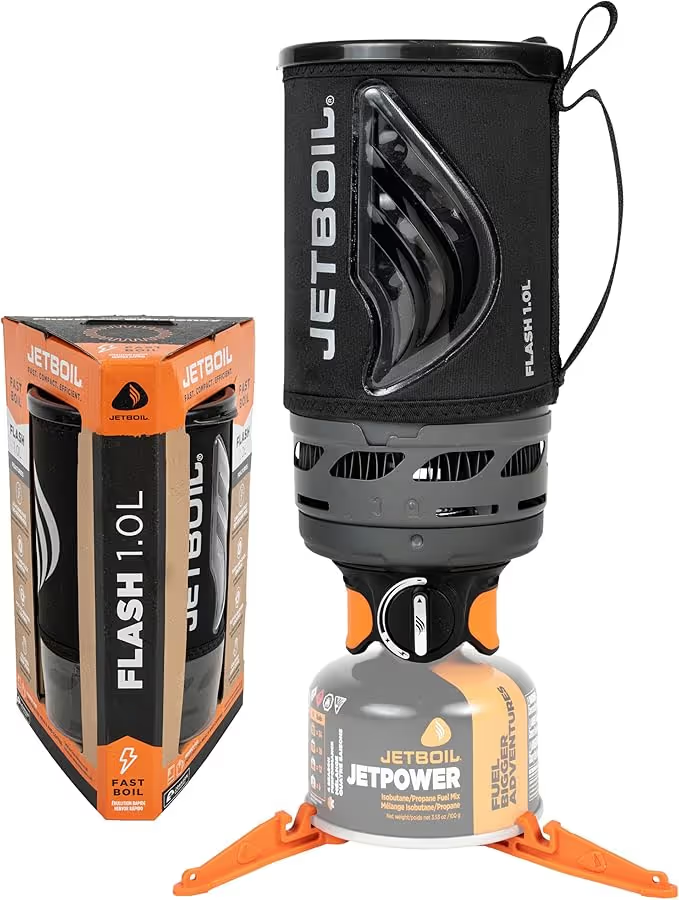
4. Jetboil

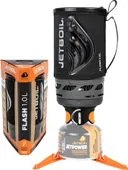
Jetboil Flash Camping Stove

4.1 /5

The Flash is not a cooking system. It is a water boiler with a heat exchanger welded to the cup, and judged as that, very little touches it.

Weight
371g
Boil_Time
100 sec / 0.5L
Volume
1 Liter
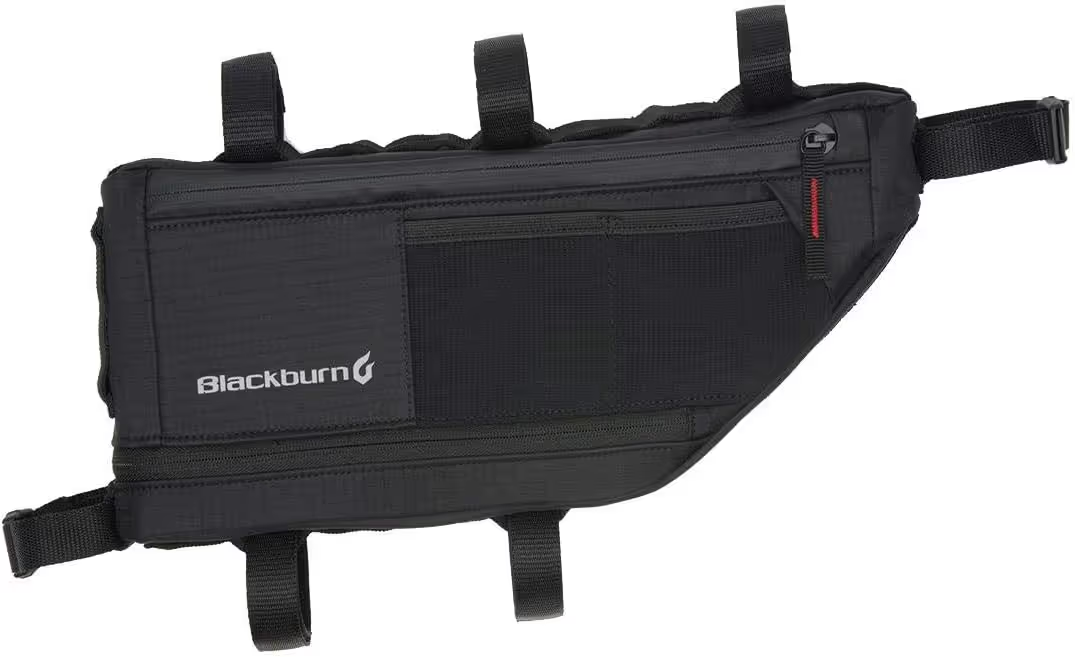
5. Blackburn

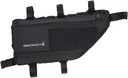
Blackburn Outpost Frame Bag

4.1 /5

The Outpost sits between the budget bags and the boutique ones, and its argument is mounting flexibility plus a warranty that is actually honoured.

Mounting
Multi-point hook-and-loop
Material
Reinforced, water-resistant
Access
Side zip
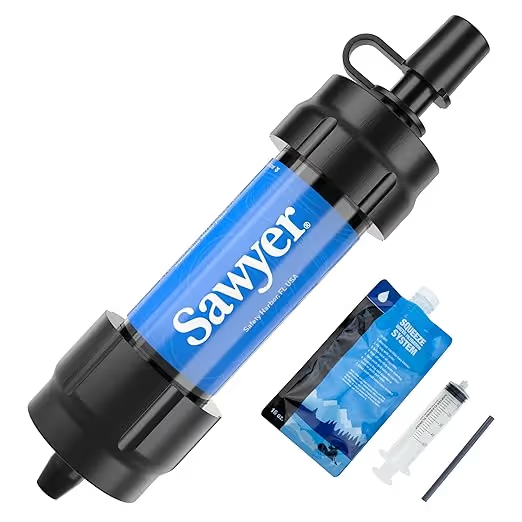
6. Sawyer

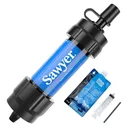
Sawyer Mini Water Filtration System

4.0 /5

The Mini is the smallest credible way to make questionable water drinkable, and its rated filter life is so far beyond any realistic touring use that it is effectively a buy-once item.

Weight
57g
Filter_Life
100,000 gallons
Filter_Type
0.1 Micron Hollow Fiber
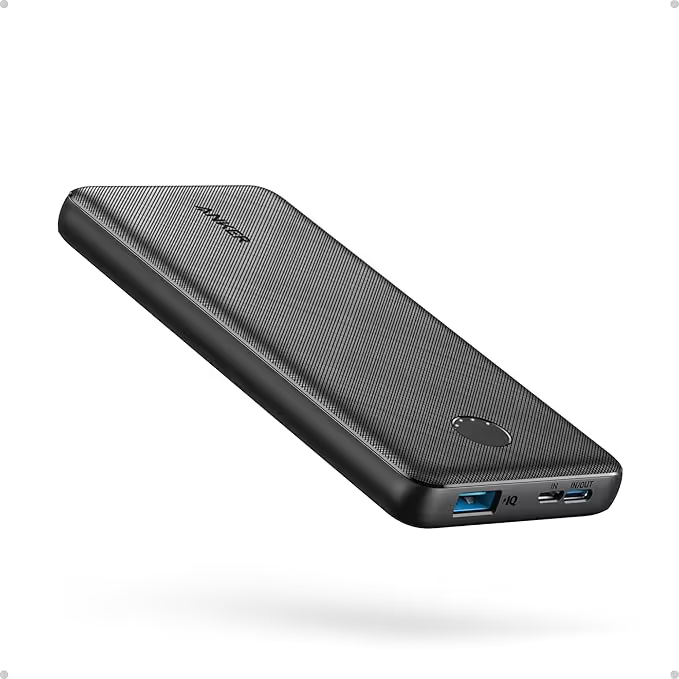
7. Anker

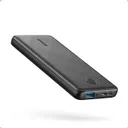
Anker Portable Charger 10000mAh

4.1 /5

Power bank capacity is a packing decision, not a spec race. At 10,000mAh and 180g this sits exactly where a two-to-three-day gravel trip needs it to.

Weight
180g
Capacity
10,000 mAh
Dimensions
3.6 x 2.3 x 0.9 in
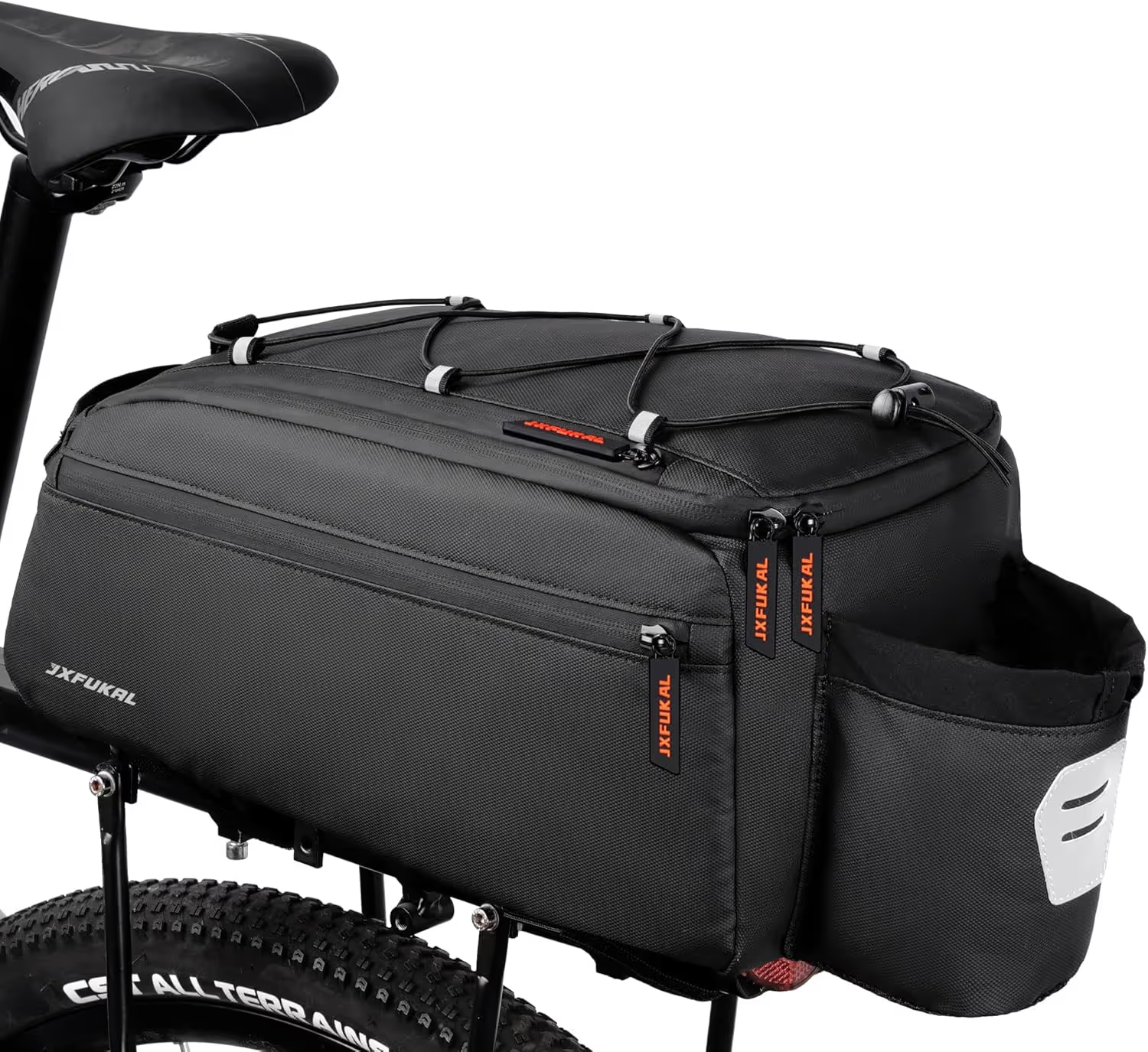
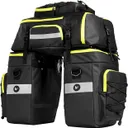
8. JXFUKAL

JXFUKAL Bike Trunk Bag

4.1 /5

Most cheap trunk bags collapse into a sad pouch the moment they are half empty. The EVA panelling here is the reason this one still looks and works like a box.

Capacity
9.5 Liters
Dimensions
15.3 x 6.9 x 7.9 in
Material
EVA / Polyester
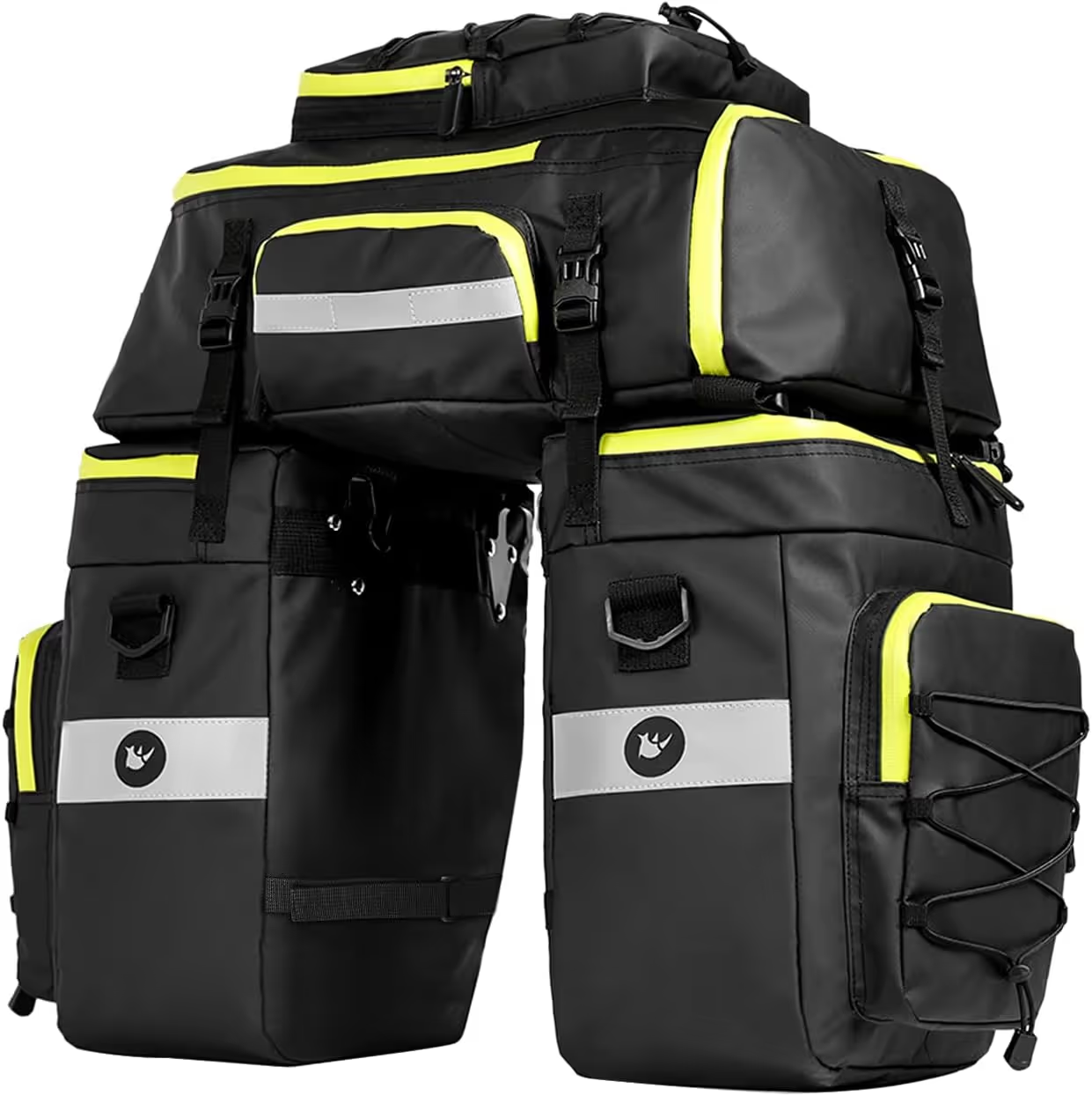
9. UBORSE

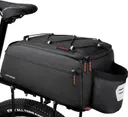
UBORSE Bike Trunk Bag

3.9 /5

A straightforward rack-top bag whose most useful feature is the one most reviews ignore: the side bottle pocket, which gives back the cage a frame bag took away.

Capacity
10 Liters
Material
600D Polyester
Attachment
Velcro Straps
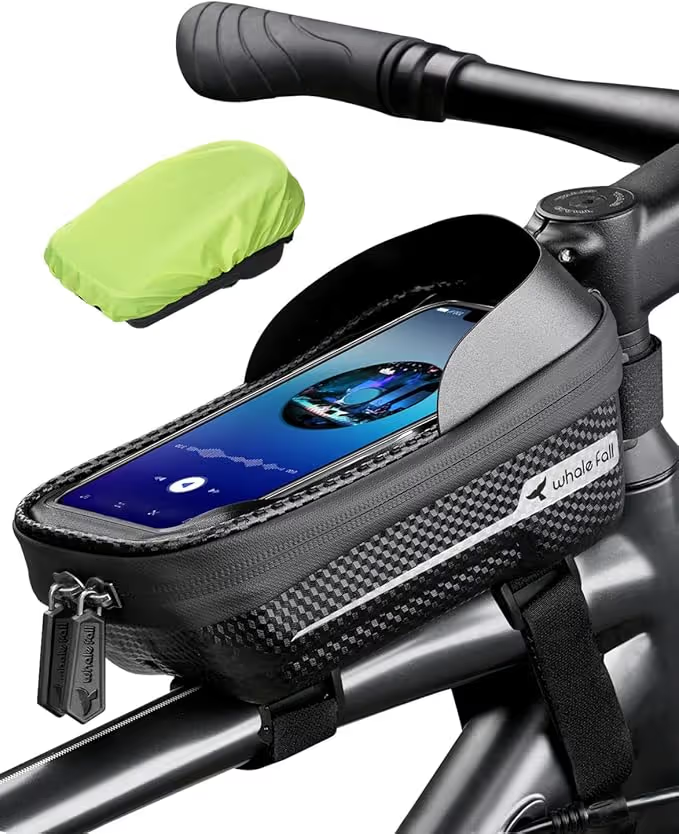
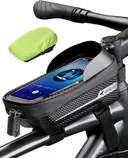
10. Whale Fall

Whale Fall Bike Front Frame Bag

4.1 /5

An essential for any beginner bikepacker who needs quick access to navigation and small essentials while keeping their gear protected from the elements.

Capacity
1.1 Liters
Material
EVA Hard Shell / TPU
Feature
Touchscreen phone case
11. NDakter

NDakter Waterproof Saddle Bag

3.8 /5

The NDakter 2L Saddle Bag is a high-capacity, waterproof seat pack that offers a stable, budget-friendly alternative to expensive boutique bags.

Capacity
2 Liters
Weight
190g
Dimensions
6.5 x 4.2 x 10 in
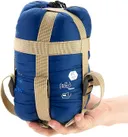
12. ECOOPRO

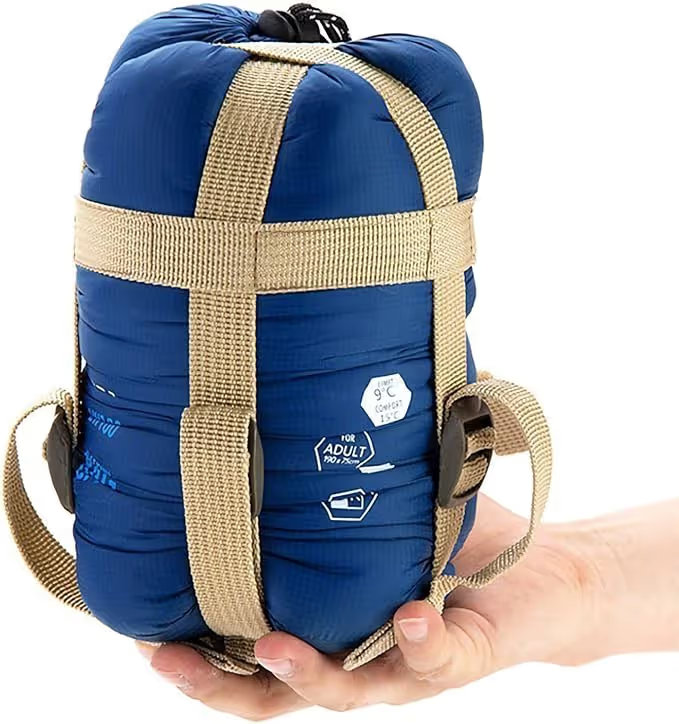
ECOOPRO Warm Weather Sleeping Bag

3.6 /5

Rated 15°C to 30°C, this is unambiguously a warm-weather bag, and the single most common way people are disappointed by it is buying it for shoulder-season nights.

Weight
770g
Temp_Rating
15°C - 30°C
Dimensions
83 x 30 in
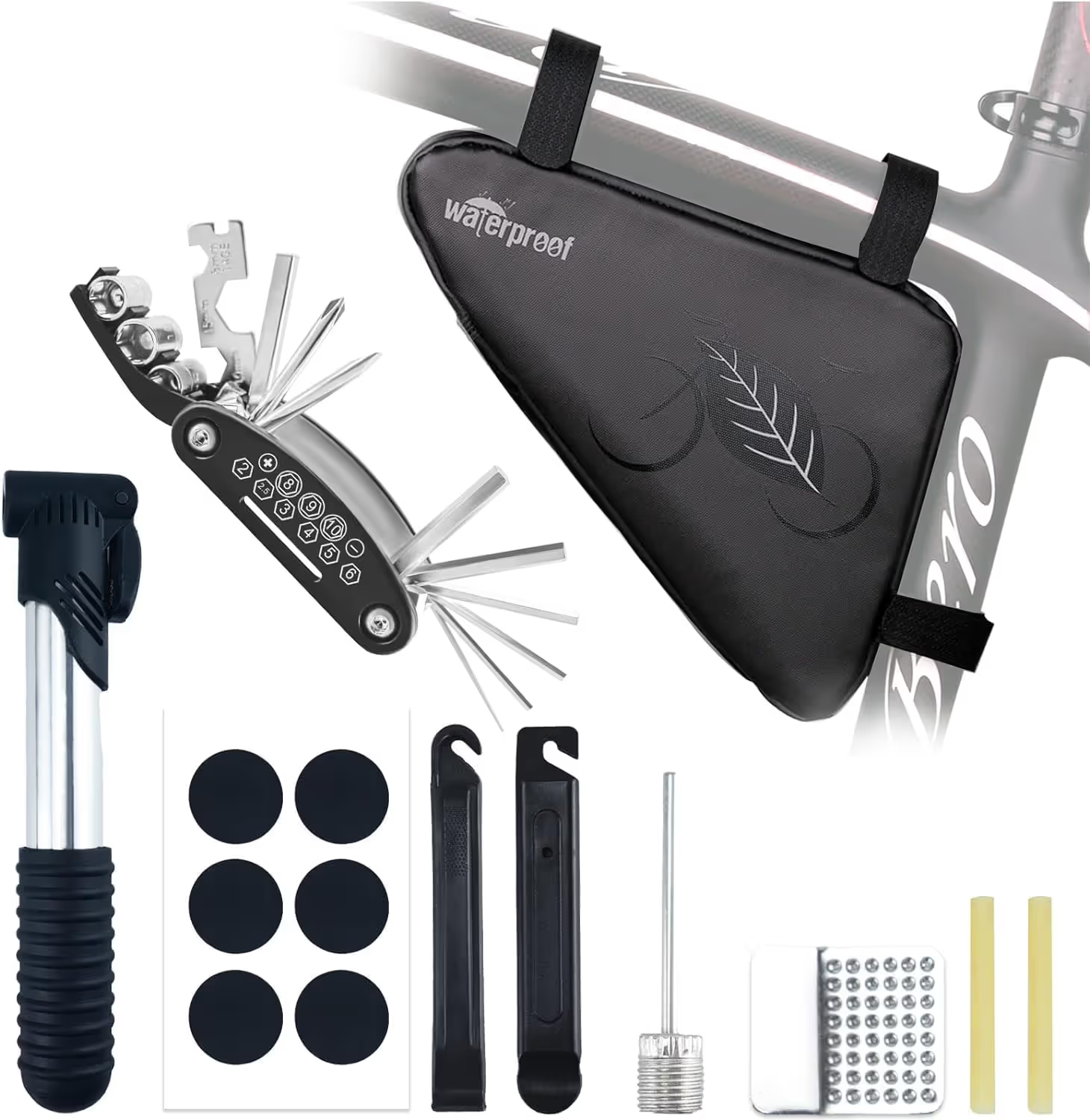
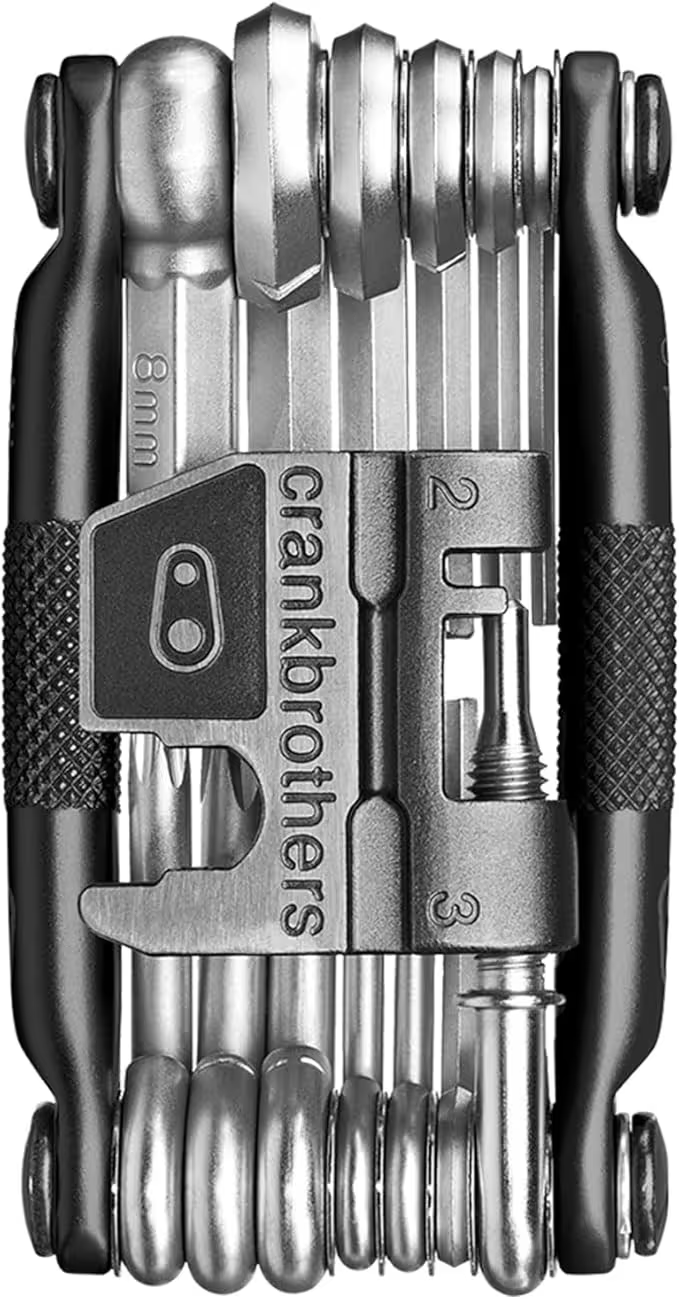
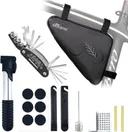
13. Crankbrothers

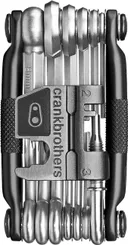
Crankbrothers M19 Multi-Tool

4.3 /5

Most multi-tools are judged on how many functions they list. The M19 is worth carrying because of one of them: the integrated chain breaker is strong enough to be used in anger.

Weight
175g
Functions
19 tools
Material
6150 Hi-Ten Steel
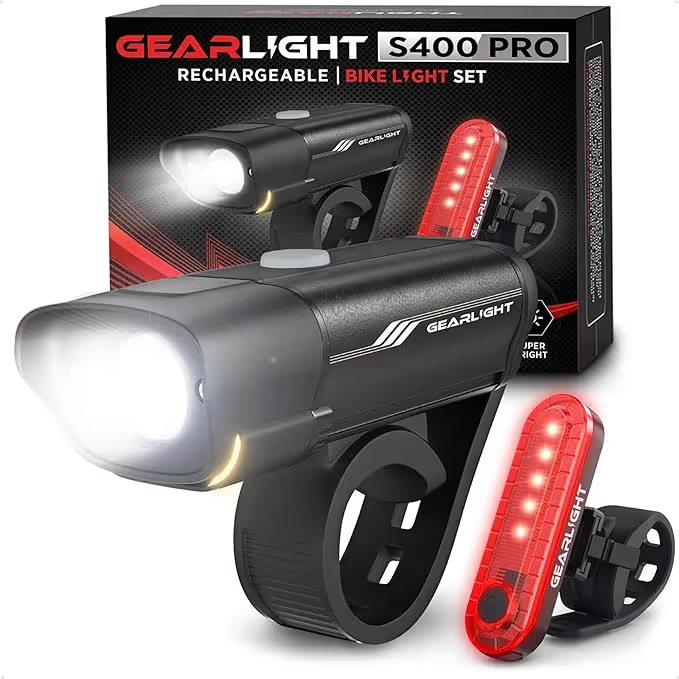
14. GearLight

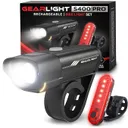
GearLight Rechargeable Bike Lights

3.9 /5

This is a be-seen set, not a see-with set, and understanding that distinction is the difference between it being good value and being dangerous.

Lumen_Output
400 Front / 60 Rear
Battery
USB Rechargeable
Modes
4 Lighting Modes
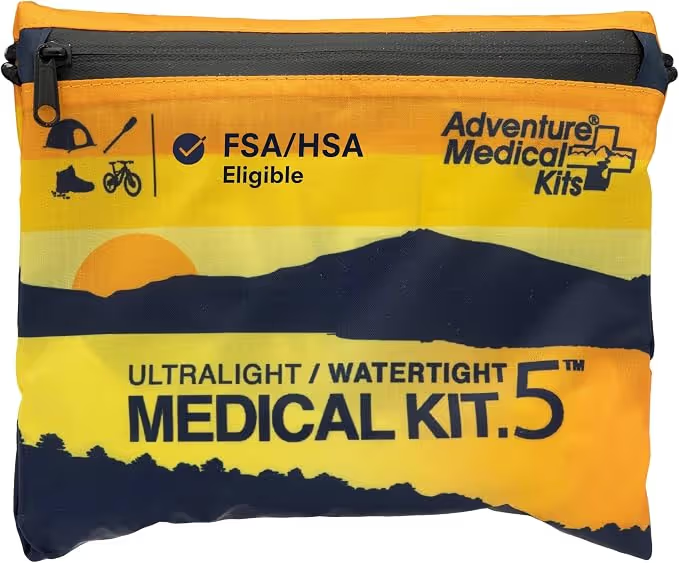
15. Adventure Medical Kits

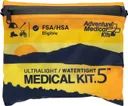
Adventure Medical Kits Ultralight/Watertight .5

4.3 /5

The .5 exists because most riders carry either no first aid kit or one far too large to bring. At 104g in a waterproof bag, this is the one that stays in the seatpack.

Weight
104g
Group_Size
1-2 People
Trip_Duration
1-2 Days
Buying Advice

What to look for

Your core gear falls into The Big Three: Shelter, Sleep System, and Pack. Get these categories right, and the rest of the trip is remarkably easy. For specific setups, check our guides on the Best Bikepacking Seatpacks and Best Handlebar Bags.

1. Shelter: Tent vs Bivy

For beginners, we always recommend a freestanding tent over a minimalist bivy. It is undeniably heavier, but it offers a psychological sanctuary from bugs and rain that a bivy sack simply cannot match. A 2-person tent gives you enough room to bring your muddy gear inside and keep it completely dry.

Related Read

5 Rookie Bikepacking Packing Mistakes (And How to Fix Them)

Overloading your rear tire and bringing your living room will destroy your ride. Here are 5 amateur packing mistakes and the exact gear used to solve them.

2. Sleep System: Warmth is King

Do not skimp on your sleeping pad under any circumstances. The cold ground will suck the heat out of your core faster than the ambient air. You need an insulated air pad with an R-value of at least 3.0 for three-season use. The valve on the Therm-a-Rest NeoAir is notoriously stiff, but the warmth is unmatched.

3. Navigation: Phone vs GPS

Your phone is great until it starts pouring rain or the battery unexpectedly dies in the cold. A dedicated GPS unit like the Wahoo ROAM is fully waterproof and has a battery that lasts all day. The friction point is that syncing routes via Bluetooth can be incredibly temperamental in areas without cell service.

The Weight Trap

Usually, lighter gear is exponentially more expensive and noticeably less durable. For beginners, you must aim for the practical middle ground. Do not buy the lightest dyneema tent that will rip on a rogue branch. Buy the slightly heavier nylon one that can handle serious abuse while you learn the ropes.

Related Read

The Broken Chain Reality: Field Repair Basics for Rocky Tech

A broken chain is a mechanical death sentence in the backcountry. Learn the basics of field repair, including how to use a chain tool and master links.

Methodology

How we chose

This list is built for the first hard weekend: a two-day loop in variable weather, ridden by someone who has never bikepacked before and has no spares to fall back on. Three filters produced it.

1. Can you operate it cold, tired and in the dark?

Freestanding tents over ones needing taut guy lines. Stoves that light without a technique. We weighted this above weight savings throughout, because the failure mode for a beginner is giving up, not carrying 200g too much.

2. Durability before grams

Ultralight gear asks for careful handling that first-timers haven't learned yet. We favoured heavier fabrics and simpler mechanisms, and read owner reports for what tears, cracks or rattles loose in the first season.

3. Does it physically fit the bike?

This is the constraint beginners discover too late. We checked published pack dimensions against standard drop-bar widths and against small-frame triangle geometry, and we flag every product whose stated size is close to the limit rather than assuming it will work out.

Q&A

Frequently Asked Questions

How heavy should my bike be?

For a weekend trip, aim for a total gear base weight of under 10kg, excluding your food and water. If you are over 15kg, you are definitely overpacking clothes or unnecessary spare parts. A lighter bike translates directly to a more enjoyable riding experience.

Do I really need a filtered water bottle?

Yes, you absolutely do. Unless you want to carry five liters of heavy water, you must filter from natural streams. The Sawyer Squeeze removes bacteria effectively, but the included bags are fragile and prone to bursting under pressure.

Can I just use a backpack?

You can, but your lower back will hate you by mile twenty. A heavy backpack raises your center of gravity drastically and causes severe chafing. Put the heavy gear directly on the bike frame and keep your back free.

Do I need special bike shoes?

Not necessarily. Flat pedals and stiff approach shoes are fantastic for bikepacking because you can hike-a-bike comfortably over unrideable terrain. If you insist on riding clipless, choose mountain bike shoes with deeply recessed cleats so you can actually walk around camp.

Keep Riding

More Gear →
Reviewer

The GravelPacker Desk

GravelPacker is a research desk, not a test lab. We read the spec sheets, the long-run owner reports and the forum threads where things break, then score what survives that reading against a rubric we publish. We say so plainly because a review you can check is worth more than one you have to trust.