Shelter
The Best Bikepacking Tents: 7 Shelters That Fit on a Bike
Seven bikepacking tents compared on packed pole length first, from an $80 solo shelter to a bike-specific Big Agnes. Packed size, pitch order, and where each one gives out.
The standard advice is that a solo rider buys a one-person tent because it is lighter. In our catalogue that advice is close to worthless:
| Tent | Capacity | Weight | Packed | Price |
|---|---|---|---|---|
| Naturehike Cloud-Up 1 | 1 person | ~1.5kg | — | $79.99 |
| Naturehike Cloud-Up 2 | 2 person | 1.5kg | 40 x 13cm | $119.99 |
| Naturehike Star River 2 | 2 person, freestanding | 1.9kg | — | $119.99 |
The Cloud-Up 1 and Cloud-Up 2 are, on published figures, the same weight.
That is not a manufacturing quirk, it is how small tents work. Most of the mass is poles, pegs, floor and fly — the structural minimum. Making the tent wide enough for a second person adds fabric, and fabric is the light part. Below about 2kg, capacity and weight decouple almost entirely.
So the one-person tent in this range costs you $40 less and buys you nothing in grams. The question is not "which is lighter" — it is what is the extra floor worth to you.
Not a second person, most of the time. It is for your luggage.
Four loaded bikepacking bags — seat pack, bar roll, frame bag, cockpit bag — occupy roughly the footprint of a second sleeper once they are off the bike. In a 1P tent they go in the vestibule, which means they are outside in the weather and you are reaching through the door for anything you need at 2am.
In a 2P tent everything comes inside, you sleep on one side and your kit lives on the other, and wet gear dries overnight instead of staying wet.
That is the real trade. Two hundred grams and forty dollars against getting your kit inside.
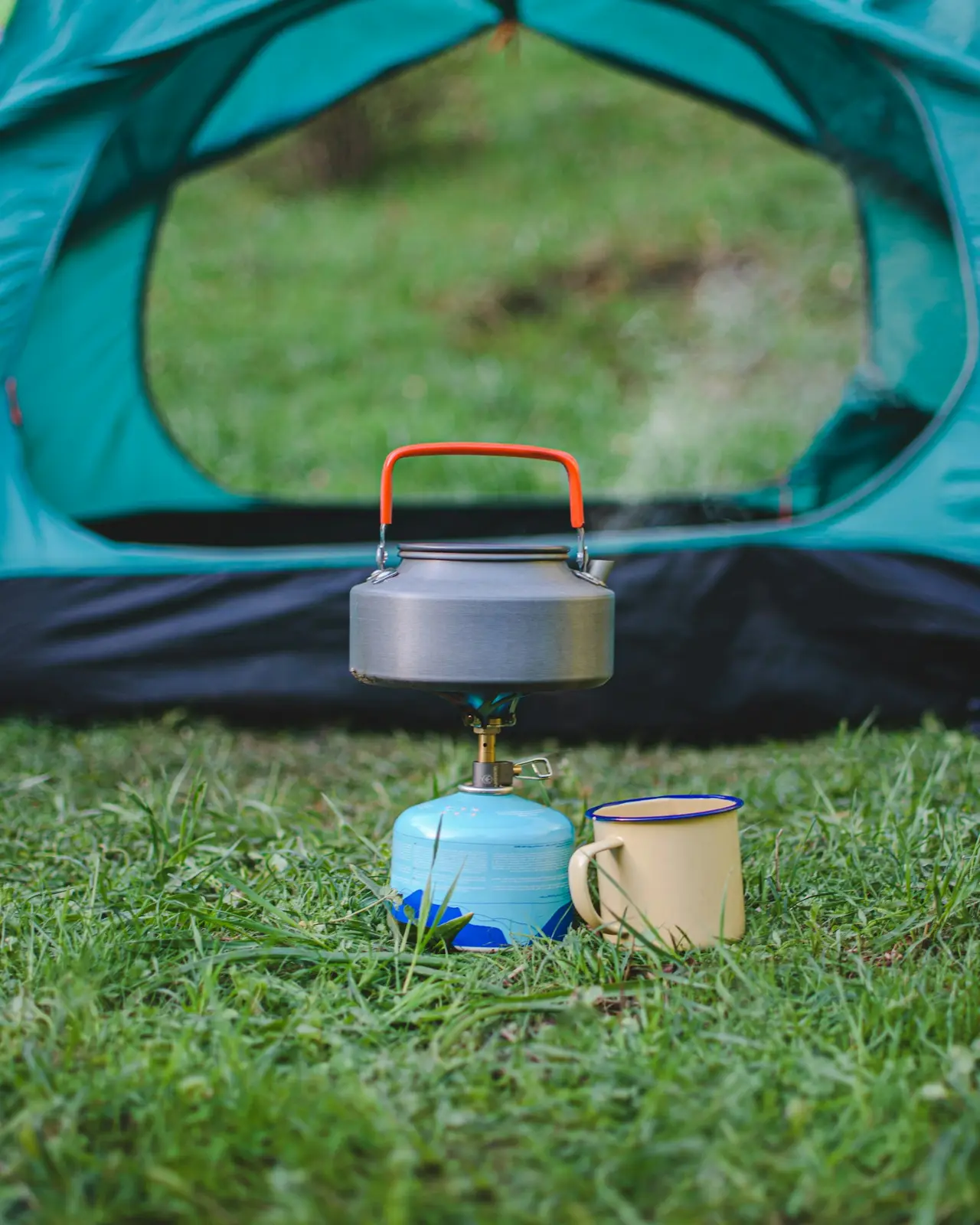
The Star River 2 costs 400g over the Cloud-Up 2 for the same capacity and the same price, and the difference is that it stands up without pegs.
On a hiking trip that is a luxury. On a bike it is closer to a necessity, because of where bikepacking camps actually are: gravel pull-offs, hardstanding behind a village hall, a bothy floor, the corner of a campsite that has been compacted by cars all summer. Pegs do not hold in any of that.
A non-freestanding tent in those places means guying to the bike, to fence posts, to rocks — which works, and which you will do badly in the dark in the rain. 400g removes the entire category of problem.
If you are choosing one thing to spend weight on in a shelter, spend it here rather than on going from 2P to 1P.
The lightest shelters on the market pitch with trekking poles and have no poles of their own. On foot that is free weight, because you were carrying the poles anyway.
On a bike you are not carrying poles. So either you buy dedicated poles — which puts most of the weight back and adds something long and awkward to strap on — or you commit to finding a way to prop the tent every night, which is fine until the one night it isn't.
This is one of the places where hiking gear advice transfers badly to bikepacking, and it is worth knowing before you read a weight comparison written for hikers.
The objection to a bigger tent is usually packing rather than weight, and it dissolves once you stop carrying it as one lump:
Splitting the tent this way also puts its weight low and central rather than all behind the saddle, which handles better than the alternative.
How to Pack a Frame Bag Without Wrecking the Handling
The frame bag is the only place weight is genuinely free. Here is what belongs in it, what does not, and the packing order that keeps the bike steady.
For a solo rider on a bike, in this price range:
At 1.5kg the shelter is still the heaviest single item in a complete kit — about a third of it — so this is the decision worth spending time on, and "get the smaller one" is the wrong shortcut.
What Does a Complete Bikepacking Setup Actually Weigh?
Two complete overnight kits, itemised from product weights: 5.15kg for $413, or 4.67kg for $581. The interesting part is where the weight actually sits, and it is not where most people look.
Often barely. In our catalogue the Cloud-Up 1 and Cloud-Up 2 are within grams of each other, because most of a small tent's weight is poles, pegs and floor rather than the fabric that makes it wider. Check the actual figures rather than assuming.
Yes, if you split it. Poles go along the top tube or in a frame bag, the fly and inner go in the bar roll or seat pack. A 2P tent carried as one lump is awkward; carried as three parts it disappears into a normal setup.
It helps more on a bike trip than a hiking one, because bikepacking campsites are more often gravel, hardstanding or a shelter floor where pegs will not hold. A freestanding design costs a few hundred grams and removes that whole category of problem.
They are the lightest option and they assume you are carrying poles. On a bike you are not, so you either carry dedicated poles — which cancels most of the saving — or you commit to always finding something to prop them with. Most bikepackers end up freestanding.
None, if you leave it outside, which most people do. The reason to want a bigger vestibule is bags and wet kit rather than the bike itself — four loaded bikepacking bags take up roughly as much floor as a second person.
Seven bikepacking tents compared on packed pole length first, from an $80 solo shelter to a bike-specific Big Agnes. Packed size, pitch order, and where each one gives out.
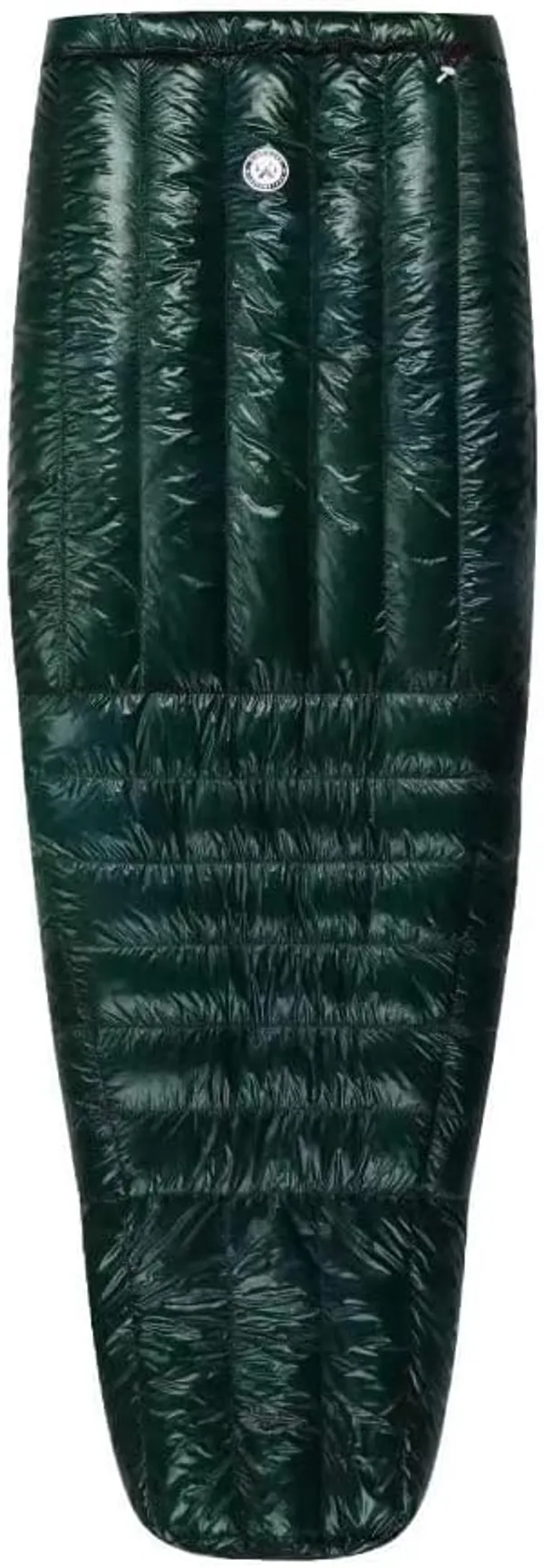
A 509 g 800FP quilt against a roomy 650FP bag about a third cheaper. Compared on warmth per gram, season range, shell, drafts and price.
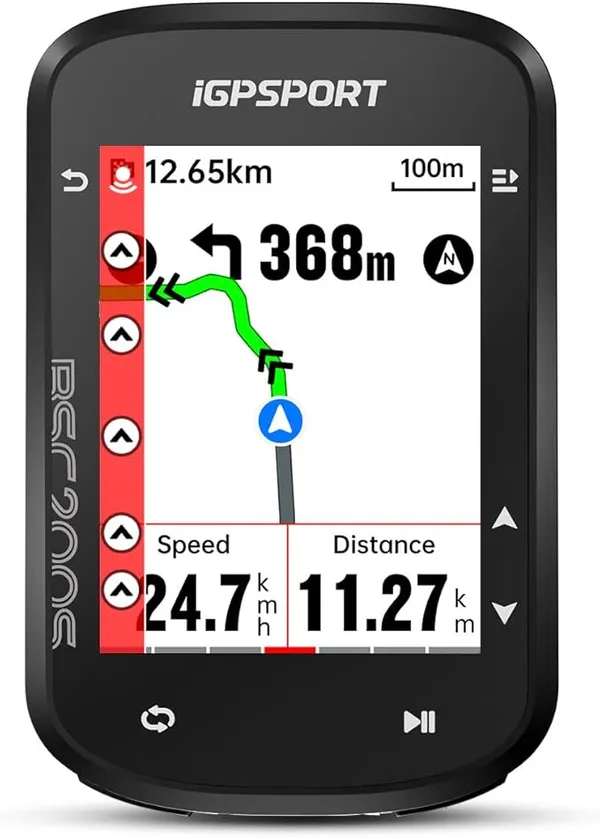
Five head units from $30 to $150, ranked on the one thing each trades away against a $328 Garmin Edge 540: the map, rerouting, buttons or battery.

GravelPacker is a research desk, not a test lab. We read the spec sheets, the long-run owner reports and the forum threads where things break, then score what survives that reading against a rubric we publish. We say so plainly because a review you can check is worth more than one you have to trust.