Clothing
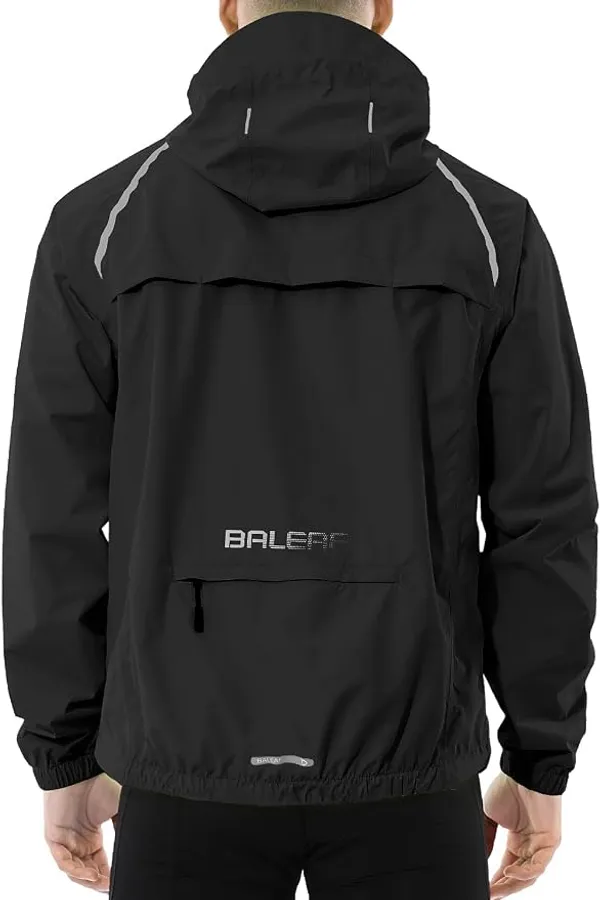
The Best Rain Jackets for Bikepacking
Seven packable shells from $20 to $50, judged on cut and packed size rather than membrane marketing. Why a hiking jacket fails on drop bars.
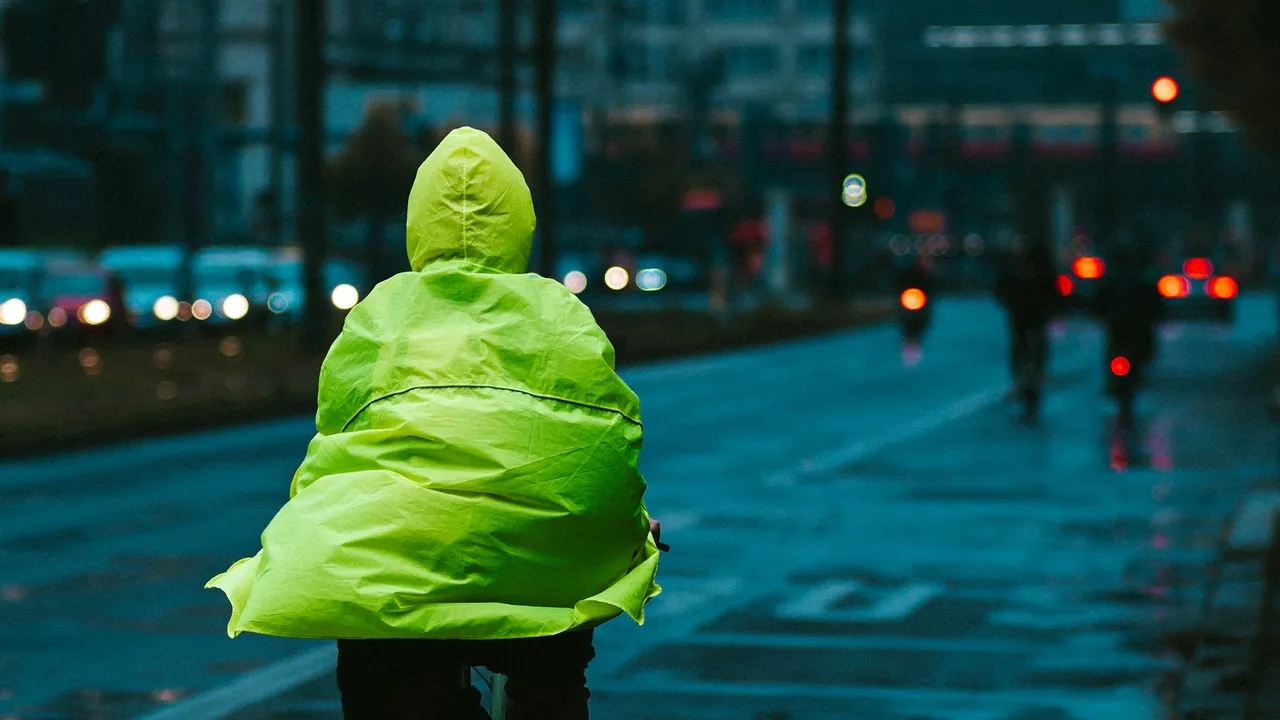
Most people solve rain by buying a better jacket, and a decent jacket is genuinely a solved problem. Then they go out and are still miserable, because the failure is at the ends.
Hands and feet lose heat fastest, get wet first, and are the two parts you cannot ignore. A rider with a warm torso and hands that will not work a brake lever is in a worse position than one who is damp everywhere but functional.
So the money and the thinking should go to extremities, and almost nobody allocates it that way.
Waterproof gloves work for roughly two hours. After that, water runs down your sleeves, over the cuff, and sits inside the glove where the membrane now keeps it against your skin.
The better model is warm while wet. Thin merino liners or neoprene keep working when soaked, they drain rather than filling, and they are thin enough that you can still operate a lever and a zip. That last part matters more than it sounds when you are trying to get a snack out at kilometre 80.
The actual solution is bar mitts. They keep the weather off entirely, let you ride in a glove you can feel through, and are the only thing here that removes the problem rather than managing it. They look ridiculous. Everyone who has used them in a Pacific Northwest October has stopped caring.
Are Bikepacking Bags Actually Waterproof?
Most bikepacking bags are water resistant, not waterproof. What welded seams, roll-top closures and IP ratings actually mean, and what to do about it.
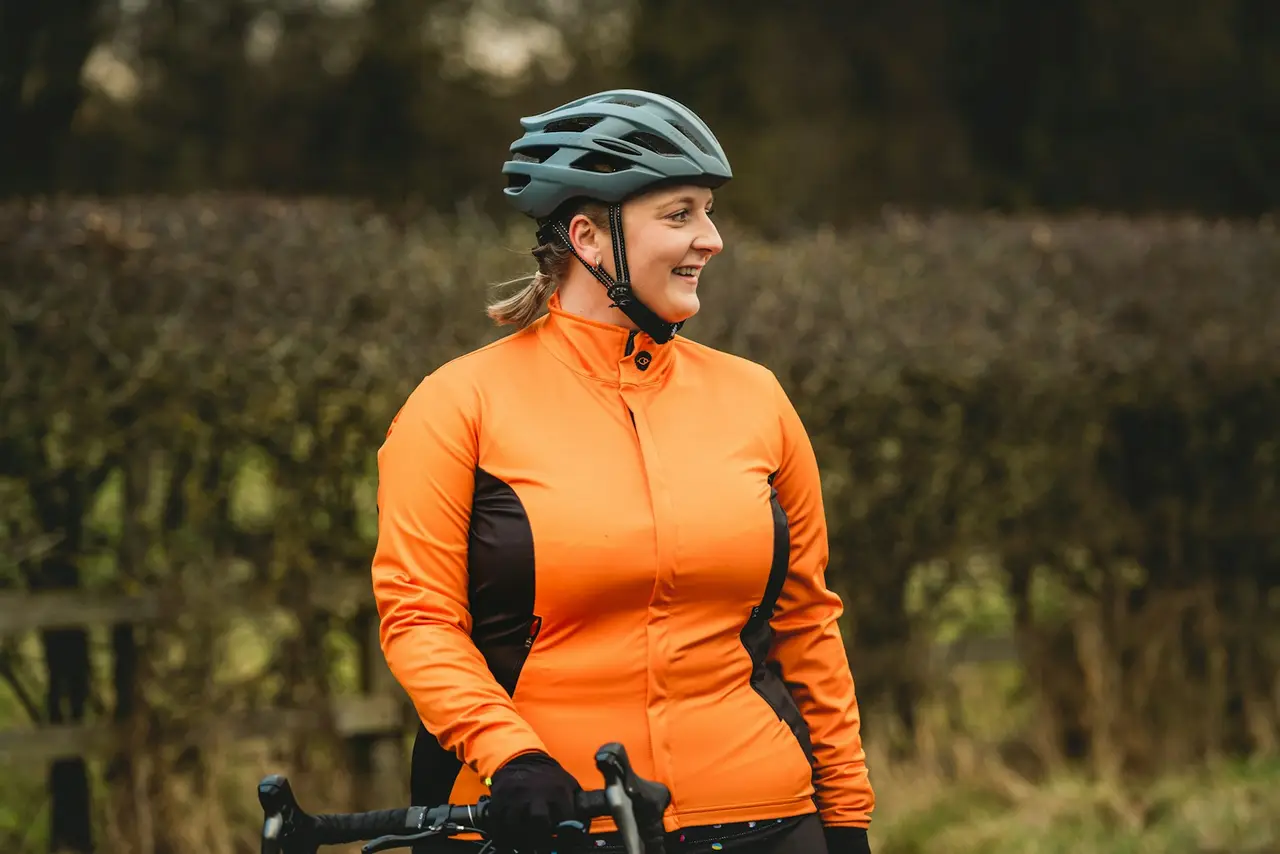
Water runs down your legs. It does not matter what the overshoe claims, and it does not matter how good the shoe is.
So the goal is feet that work while wet. Wool socks, because they hold warmth when soaked and synthetics do not. Shoes that drain rather than pool, which usually means the mesh trail shoe rather than the sealed one. And over-trousers if it is cold enough to bear them, because they interrupt the water running down your leg, which is the actual mechanism.
The one rule that is not negotiable: carry a pair of dry sleep socks that never get ridden in, ever, under any circumstances. That pair is the difference between a bad night and a fine one, and every rider who has broken this rule remembers the night they did.
One wet day is an inconvenience. Three consecutive wet days is a different situation, because nothing dries.
The thing that changes is that you stop trying to dry kit and start rotating it. Wet riding kit goes back on wet in the morning, which is horrible for ninety seconds and then irrelevant. Dry camp kit stays sealed in a bag and is never worn on the bike.
Riders who try to dry their riding gloves overnight end up with two wet pairs. Riders who accept one wet set and protect one dry set stay functional for a week.
The Wet Quilt Save: Drying Down on the Road
What a wet down quilt actually costs you overnight, how to dry one on the bike with no sun, and the point at which you should have brought synthetic.
Heated insoles and heated gloves, for bikepacking. They work and they need charging, and your charging budget is already spoken for by a GPS and a phone.
Expensive membrane gloves, for anything longer than a couple of hours. You are paying for a claim that gravity defeats.
Anything that has to stay dry to keep working. On a wet multi-day trip the correct assumption is that everything gets damp, and the kit that keeps you comfortable is the kit that does not mind.
Three Days in the Oregon Coast Range
A 187 km loop through the Tillamook State Forest and the Nehalem valley. Logging-road gravel, reliable water, and rain that tests every claim on your bags.
For about two hours, then water runs down your sleeve into the cuff and they hold it against your skin. That is worse than a wet glove that drains. This is why experienced wet-weather riders often run thin neoprene or wool rather than a membrane glove: the aim is warm while wet, not dry.
Bar mitts, by a wide margin. They keep wind and rain off your hands entirely and let you ride in thin gloves you can still operate levers with. They look absurd and they are the only thing in this article that solves the problem rather than managing it.
You do not, on a multi-day trip. Water runs down your legs into your shoes regardless of the overshoe. The goal is feet that stay warm while wet and dry overnight, which means wool socks, shoes that drain, and one pair of dry sleep socks that never get ridden in.
Better than waterproof gloves, because gravity is on your side less. They keep water out for most of a day if your trousers cover the cuff. They also stop your feet breathing, so on a warm wet day you end up damp from the inside instead. Useful in the cold, pointless in the mild.
Worth it below about 10°C, a sweatbox above it. The bigger benefit is that it stops water running down your legs into your shoes, which is the actual mechanism behind wet feet. If you only ride in mild rain, skip them and accept wet legs.
Seven packable shells from $20 to $50, judged on cut and packed size rather than membrane marketing. Why a hiking jacket fails on drop bars.
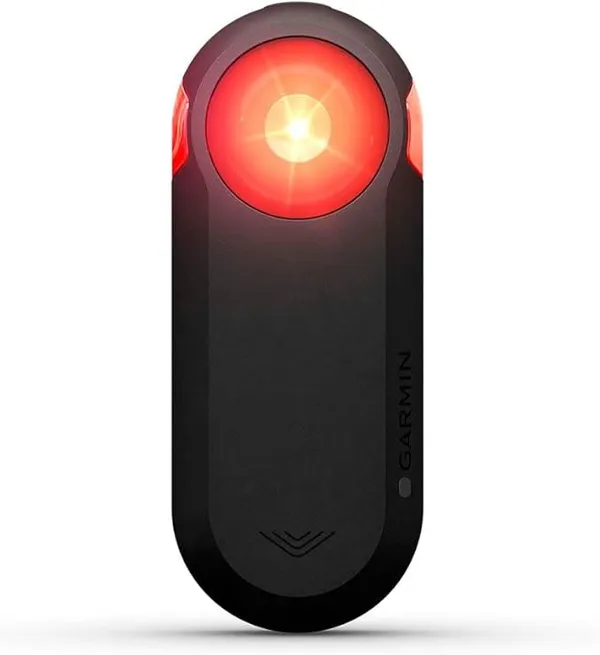
Four pieces covering three different jobs: being seen on a road, seeing an unlit gravel road, and finding things in a tent. Most riders need all three.
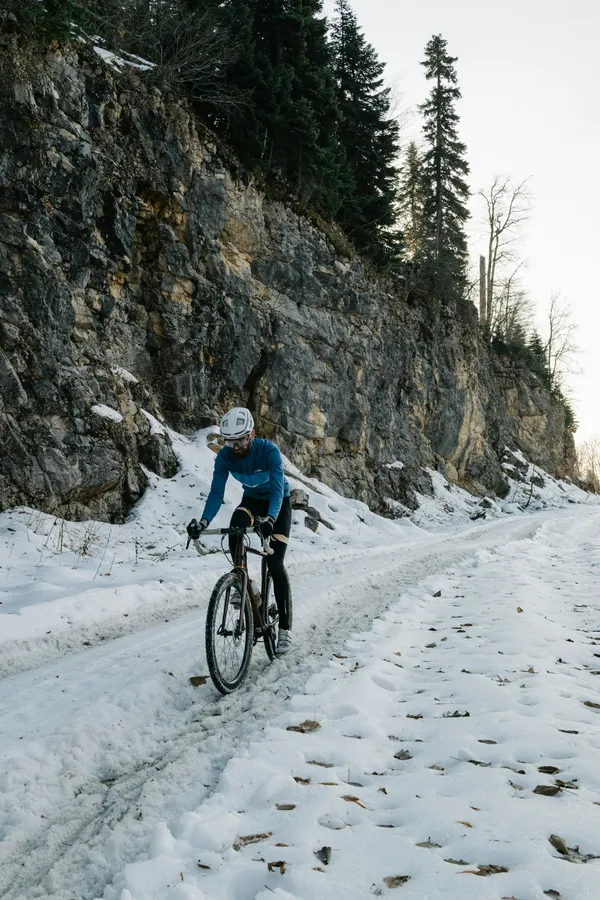
When the temperature drops below your quilt's rating, the 4 AM shivers are inevitable. Six ways to add real warmth to a bag that's underrated for the night you're having.

GravelPacker is a research desk, not a test lab. We read the spec sheets, the long-run owner reports and the forum threads where things break, then score what survives that reading against a rubric we publish. We say so plainly because a review you can check is worth more than one you have to trust.