Guides
10 Best Kindle Books for Bikepackers (Weightless Adventure Reading)
Save weight and space on your next tour with our favorite Kindle reads for bikepackers, from technical maintenance guides to global adventure memoirs.

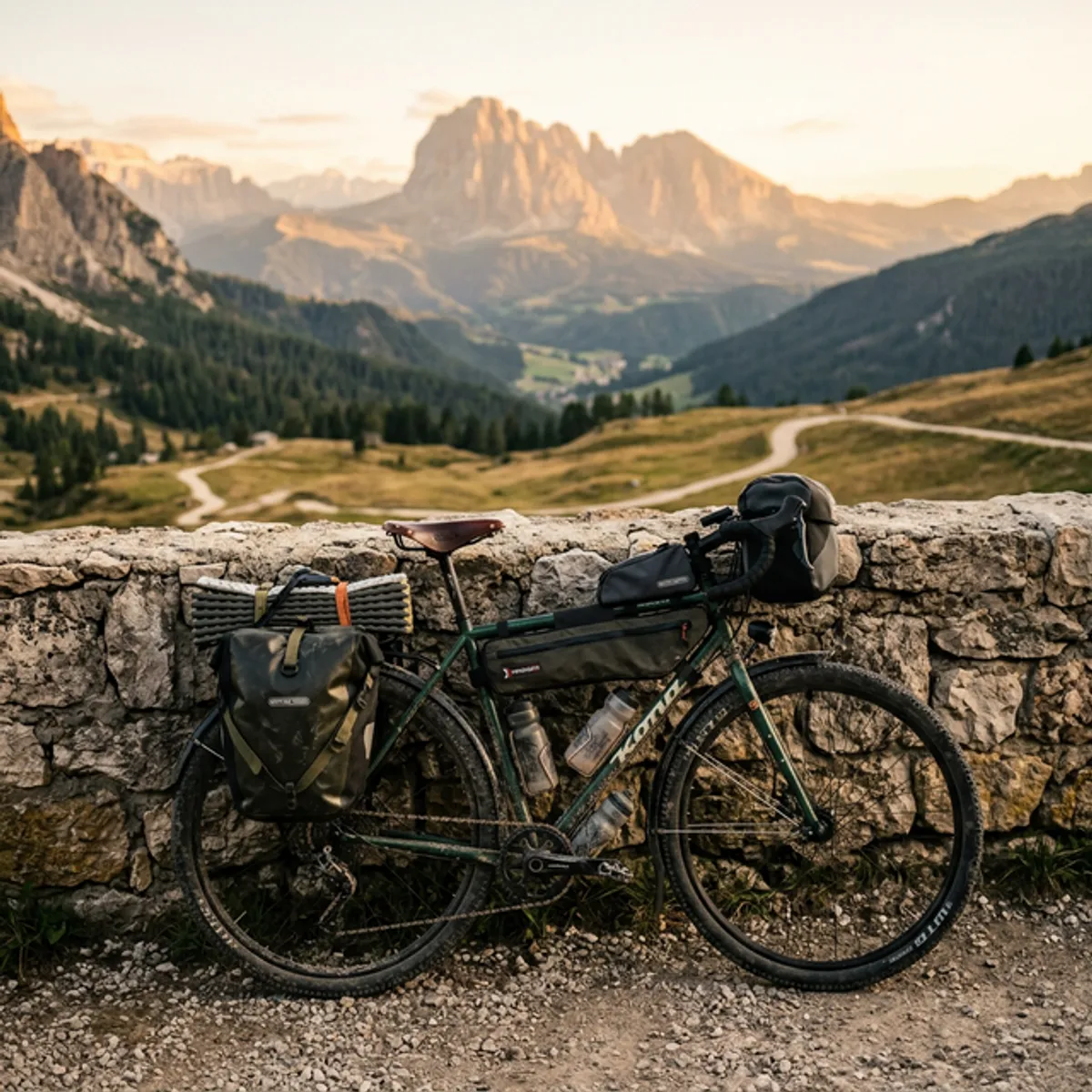
It usually happens under load. You are torqueing up a steep technical climb, you shift a bit too late, and you hear a violent snap. Suddenly your pedals spin freely and you tumble sideways into the dirt.
You look down and your chain is lying in the weeds like a dead snake. If you do not have a chain tool and a master link, you are now a hiker. Pushing a 50lb bikepacking rig for 20 miles to the nearest road is a special kind of hell.
Chain failures are rare with modern 12-speed groupsets. When they happen, they are catastrophic. Here is the realistic guide to surviving a drivetrain disaster in the field.
You cannot fake a chain repair with pliers or a rock. You need two specific pieces of hardware to get moving again.
First, you need a dedicated chain breaker. Most generic multi-tools have weak chain breakers that bend when you apply real torque. I use the breaker on the Crankbrothers M19 because the cast steel body provides enough leverage to actually push a stubborn pin out.
Second, you need compatible master links. Buy two quick links and tape them directly to your brake cables. Make sure they match your exact drivetrain speed, as 11-speed links will bind horribly on a 12-speed cassette.
Jake’s Hack: Tape a spare master link to your derailleur cable housing. It is impossible to lose in the mud. You will not have to dig through your clean saddle bag while your hands are covered in black grease.
Build a high-performance bikepacking setup without the high price. We review the 10 best budget-friendly gear essentials from Amazon for gravel adventures.
Do not panic and start yanking on the derailleur. Assess the damage first. If the outer plates are twisted, you have to remove that entire section of the chain.
Use your chain tool to push the pin out of the damaged link. The friction point here is keeping the chain seated in the tool cradle. If the chain slips while you turn the driver, you will snap the driving pin on your multi-tool.
You want to end up with two narrow inner links facing each other. Wipe the mud off these ends so the new link can seat properly. Insert one half of the master link into each open end of the chain.
Hook the two halves together and pull the chain taut. To seat the link firmly, rotate the pedals so the quick link is on the top run of the drivetrain. Hold the rear brake tight and give the right pedal a firm, violent stomp.
You will hear a loud click. You are back in business.
Avoid overpacking! Our ultimate beginner bikepacking gear list covers every essential for your first multi-day gravel trip, from bags to sleep systems.
Sometimes the chain survives but the derailleur does not. If your derailleur gets sucked into the rear spokes, your trip is not necessarily over. You can bypass the broken derailleur entirely by converting to a singlespeed setup.
Remove the broken derailleur and shorten the chain drastically. Find a gear combination that gives you a perfectly straight chainline from the front chainring to a middle cog. Pull the chain tight and install the master link.
You will need a lot of tension to keep the chain from dropping over rough terrain. It will be a miserable and slow ride. However, you will be pedaling instead of walking.
Warning: Modern full-suspension bikes experience chain growth as the rear suspension compresses. If you make a singlespeed chain too tight on a dual-suspension bike, hitting a bump will snap your frame or destroy your hub. You must lock out your rear shock entirely before riding a field-expedient singlespeed.
Keep your drivetrain clean and shift before the gradient spikes. Always carry a spare master link. Maintenance is cheap, but hiking in cycling shoes is agonizing.
Save weight and space on your next tour with our favorite Kindle reads for bikepackers, from technical maintenance guides to global adventure memoirs.
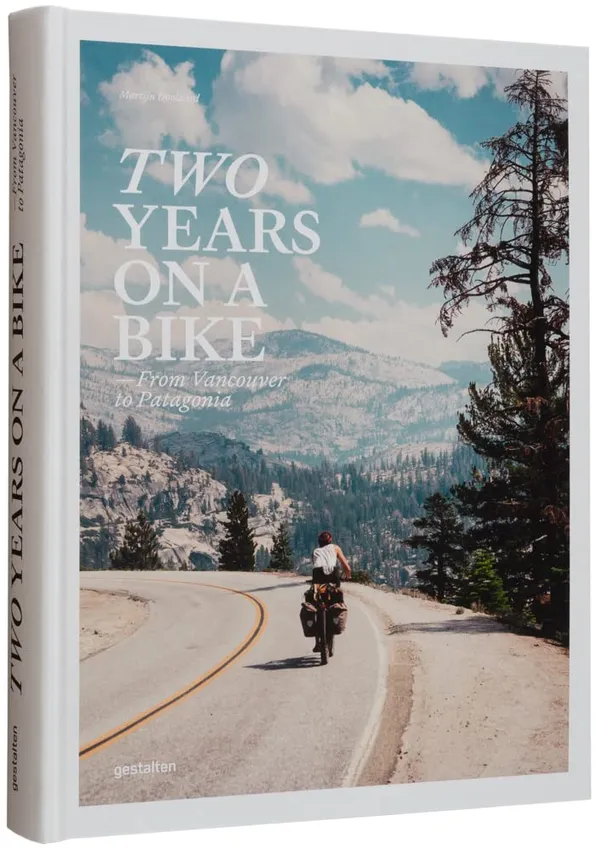
From practical guides like Bikepacking Illustrated to global epics like Two Years on a Bike, we review 13 essential books for every adventure cyclist's library.
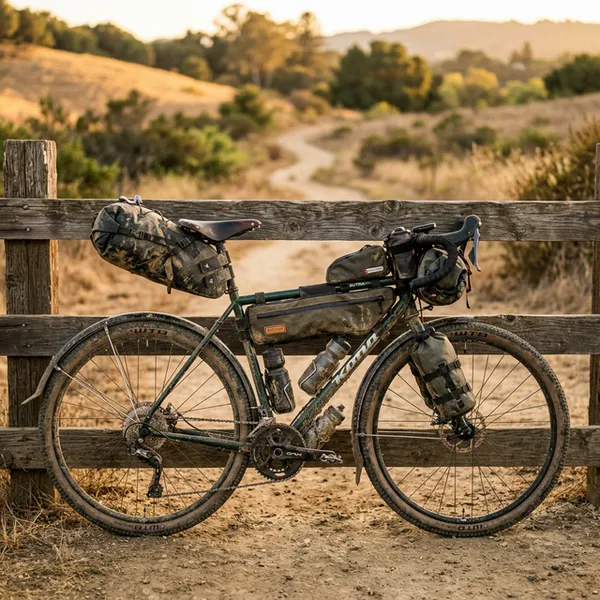
A swaying bikepacking saddle bag destroys your cornering and wastes energy. Learn how to pack your tail bag properly to completely kill the pendulum effect.
Jake has spent the last 5 years pushing his bike through the muddiest backroads of the Pacific Northwest. He isn't a professional racer, but he knows exactly what gear breaks first and what actually lasts when you're 40 miles from the nearest town.