Guides
10 Best Kindle Books for Bikepackers (Weightless Adventure Reading)
Save weight and space on your next tour with our favorite Kindle reads for bikepackers, from technical maintenance guides to global adventure memoirs.
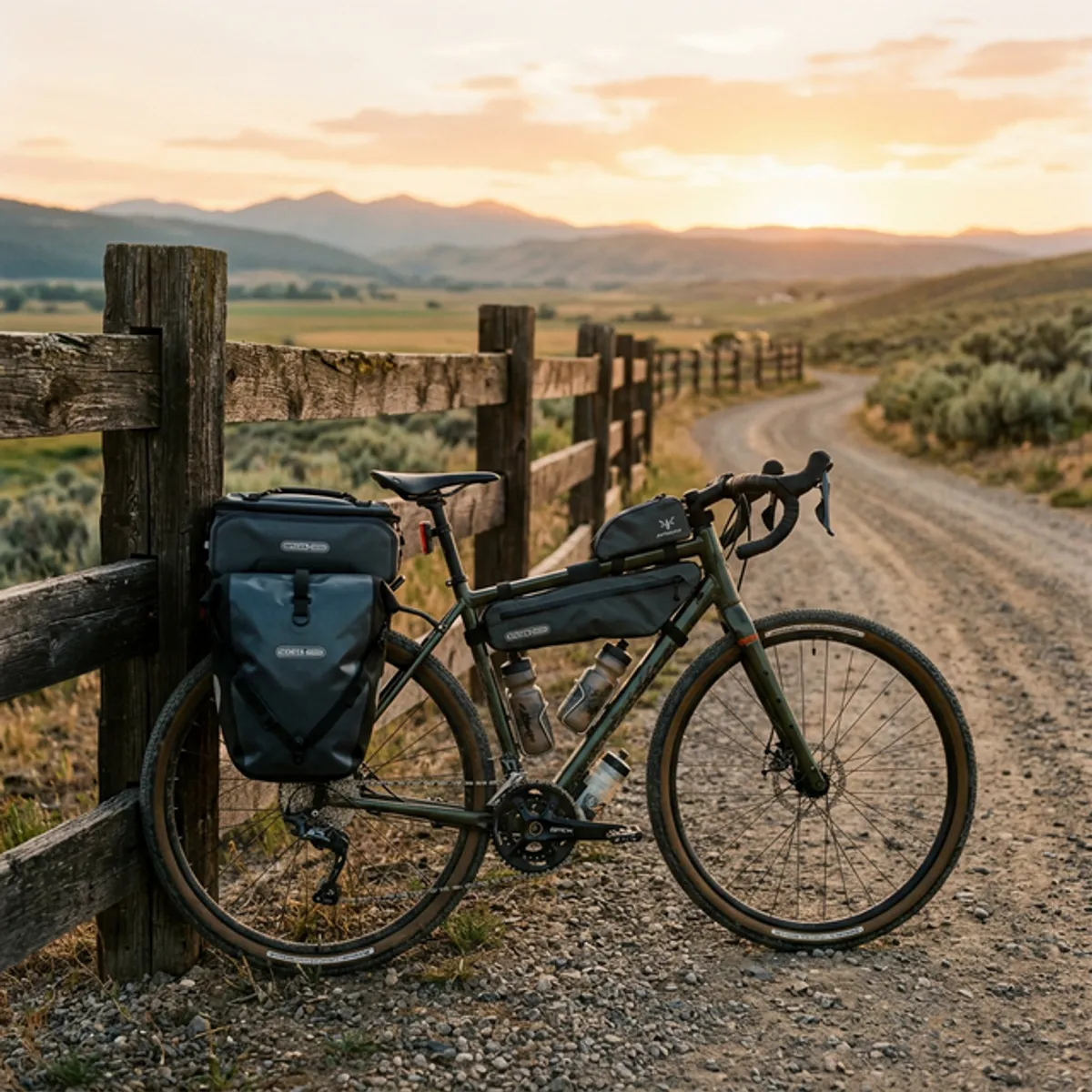
If you have spent any time riding through agricultural land or on rainy gravel, you know the clog of shame. You reach down for your third bottle only to realize the valve is completely encased in a mixture of limestone grit and questionable organic matter from the local cattle ranch.
Feeding yourself a mouthful of cow manure is a great way to end up with a severe stomach bug 100 miles from civilization. Yet that under-the-down-tube real estate is critical for low center-of-gravity weight distribution. You simply cannot afford to lose that liter of water on a dry route.
In the desert, everything is covered in fine abrasive silt. In the Pacific Northwest, everything is covered in a wet grinding paste. Here is how I use that storage space without getting violently ill.
If you are running a standard open valve bottle underneath your bike, you are asking for trouble. You absolutely need a dedicated Dirt Series bottle with an integrated hard plastic mud cap.
I do not care how elite or aerodynamic your bottles are. If they do not have a physical plastic shield over the silicone nozzle, they do not belong on the down tube. I have seen riders try to wipe the mud off with a dirty glove, which just grinds the bacteria further into the seal.
If you cannot buy new bottles right now, you must use a dirtbag fix. Wrap a clean piece of plastic wrap over the valve and hold it tight with a rubber band. It is ugly and highly annoying to remove, but it keeps the pathogens off your drinking surface.
Avoid overpacking! Our ultimate beginner bikepacking gear list covers every essential for your first multi-day gravel trip, from bags to sleep systems.
I never treat my down-tube bottle as my primary drinking source under any circumstances. It is consistently my dirty reserve bottle.
Logic dictates that you should drink from your clean cockpit-mounted bottles first. When those are empty, find a safe spot to stop and manually swap the bottles. Use a clean rag to wipe down the threads of the dirty bottle before you even attempt to take a sip.
Build a high-performance bikepacking setup without the high price. We review the 10 best budget-friendly gear essentials from Amazon for gravel adventures.
Mark’s Rule: If the bottle is too dirty to touch with your bare hands, it is too dirty to put near your mouth. I use my down-tube bottle solely for refilling my Sawyer Squeeze filter bag. This keeps the dirty exterior totally isolated while transferring filtered water into my primary clean bottles.
If your frame is small, you might find your down-tube bottle is actually hitting your front tire on technical descents. Look into a solid cage relocator system like the Wolf Tooth B-RAD mount.
Moving the bottle just two inches higher up the tube can drastically reduce the amount of spray it catches from the front wheel. The friction point here is that moving the bottle up often interferes with your front chainring on a 2x setup. You must test the clearance thoroughly before hitting the trail.
Combining a relocated cage with a long front fender is the ultimate solution for keeping your hydration kit clean. Do not let a mouthful of dirt ruin a multi-day trip. Protect your valves like you protect your chain.
Save weight and space on your next tour with our favorite Kindle reads for bikepackers, from technical maintenance guides to global adventure memoirs.

From practical guides like Bikepacking Illustrated to global epics like Two Years on a Bike, we review 13 essential books for every adventure cyclist's library.
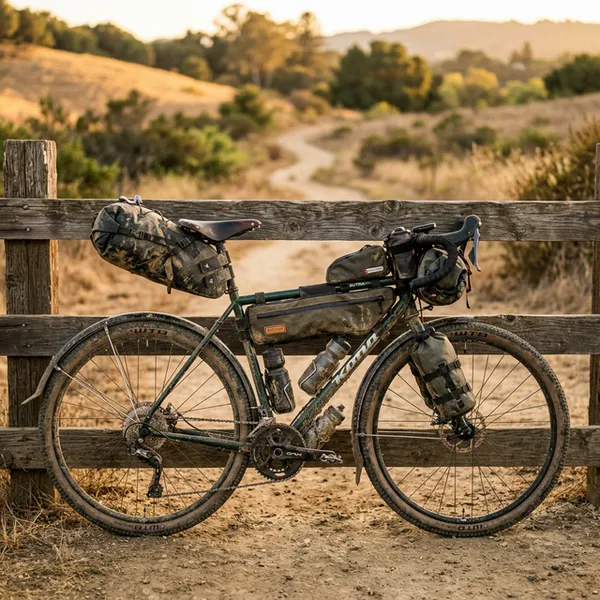
A swaying bikepacking saddle bag destroys your cornering and wastes energy. Learn how to pack your tail bag properly to completely kill the pendulum effect.
Mark is accustomed to carrying his body weight in water across the Southwest. Meticulous about load distribution, if a piece of gear rattles or rubs, Mark will find a way to fix it with a Voile strap and some duct tape.