
Guides
10 Best Kindle Books for Bikepackers (Weightless Adventure Reading)
Save weight and space on your next tour with our favorite Kindle reads for bikepackers, from technical maintenance guides to global adventure memoirs.
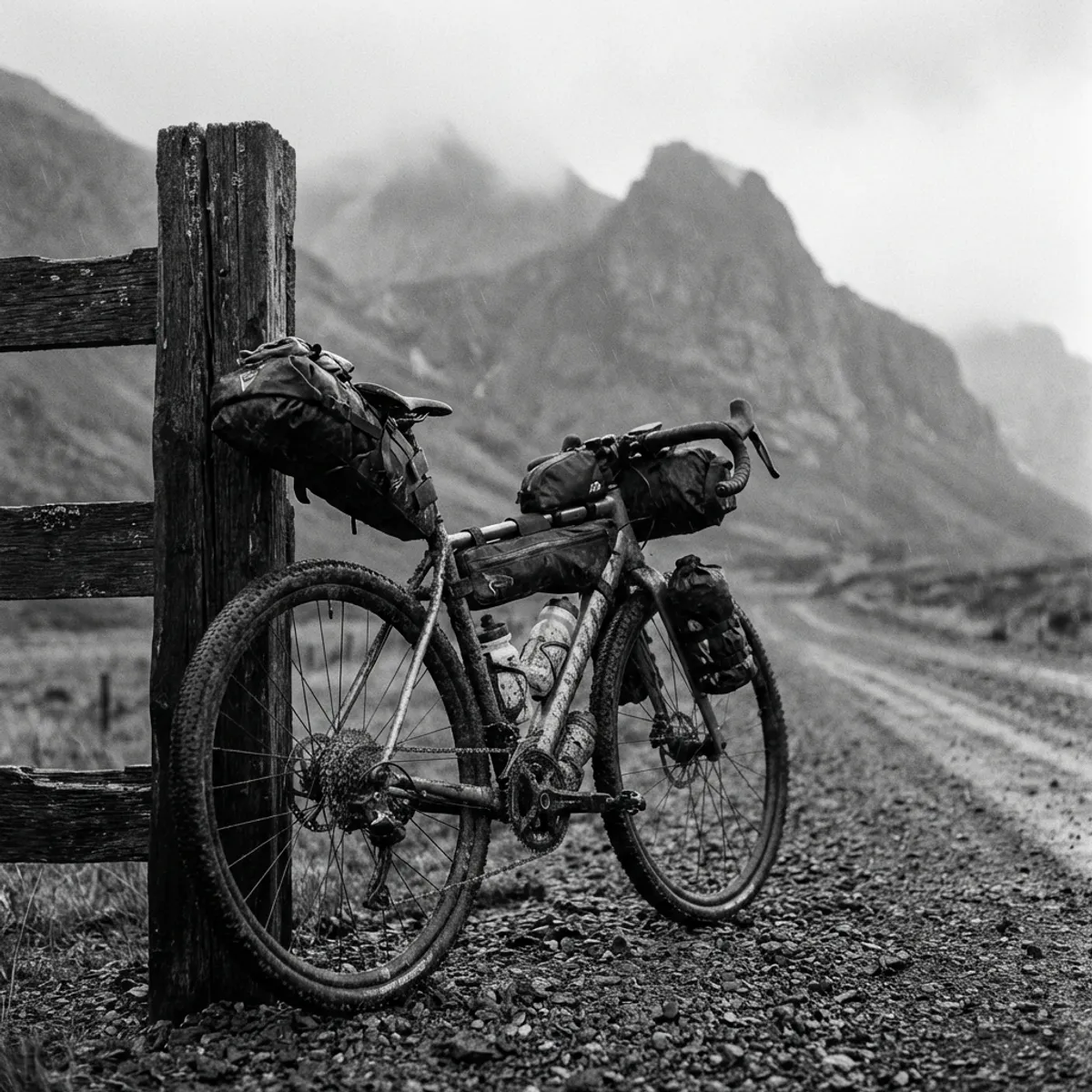
If you are 60 miles into a desert solo mission and every vibration from the washboard is met with a metallic tink-tink-tink from your frame bag, you will eventually lose your mind. It is not just annoying to listen to for hours on end. Trail noise is a symptom of friction, and friction is the ultimate enemy of longevity.
In my experience, ninety percent of bike noise is not a loose bottom bracket. It is almost always a poorly secured multi-tool vibrating against a CO2 cartridge or a zipper pull hitting the frame. When you are riding through technical chunk, your loose tools are effectively acting as miniature hammers inside your bags.
Silence is not just about peace of mind. A silent bike indicates a stable load, and a stable load is a reliable load. Here is exactly how I silence the cockpit.
Throwing a bare multi-tool like the Crankbrothers M19 into a loose frame bag pocket is a rookie mistake. It will inevitably shift and find a way to tap against something hard.
I do not care if the bag has specialized organized pockets. You must use a dedicated canvas tool roll or wrap your tool tightly in a shop rag. A simple microfiber cloth held together with a heavy rubber band kills all the rattle and gives you a clean surface to work on when you fix a chain in the mud.
If you use a top-tube gas tank bag for your heavy tools, the rattle is even worse because it is closer to your ears. For these bags, I install adhesive-backed foam lining directly onto the floor of the bag. It acts as a permanent silencer for anything you drop in there mid-ride.
Avoid overpacking! Our ultimate beginner bikepacking gear list covers every essential for your first multi-day gravel trip, from bags to sleep systems.
The loudest and most destructive clicks on a bike come from metal-on-metal contact. If you carry CO2 cartridges, they absolutely must be sleeved. Wrapping a spare rubber tube around the threads is a free and permanent fix.
Plastic tire levers are quiet, but if you insist on using metal downhill levers, they need to be completely nested inside a rag or securely taped together. Tiny spare parts like valve nuts and quick links should live in a tiny plastic baggie. You should then shove that baggie deep into the center folds of your spare tube.
From 100% waterproof rolls for expeditions to thermal-insulated lunchboxes for day trips, we review 8 top-rated budget handlebar bags for gravel bikepacking.
I aggressively eliminate zipper rattle by replacing every factory metal zipper pull with a custom loop of 2mm paracord. It sounds like a ridiculous minor detail until you are riding through a silent pine forest. All you want to hear is your own breathing instead of a metallic orchestra.
Check your bag mounting points constantly during your first ride. If a heavy tool is sitting directly against the side of a frame bag strapped to the downtube, it will vibrate the tube itself. This turns your entire frame into a massive hollow resonator.
I use small pieces of high-density foam as bumpers between the bag and the frame at every high-impact contact point. This does not just stop the maddening noise. It physically stops the vibration from slowly fatiguing the bag fabric and rubbing through your frame finish.
If you cannot ride in total silence, you will not hear when the real mechanical problems start. A quiet bike lets you hear the first subtle sign of a rubbing brake rotor or a dry chain. You can fix it long before it becomes a ride-ending failure.
Save weight and space on your next tour with our favorite Kindle reads for bikepackers, from technical maintenance guides to global adventure memoirs.

From practical guides like Bikepacking Illustrated to global epics like Two Years on a Bike, we review 13 essential books for every adventure cyclist's library.
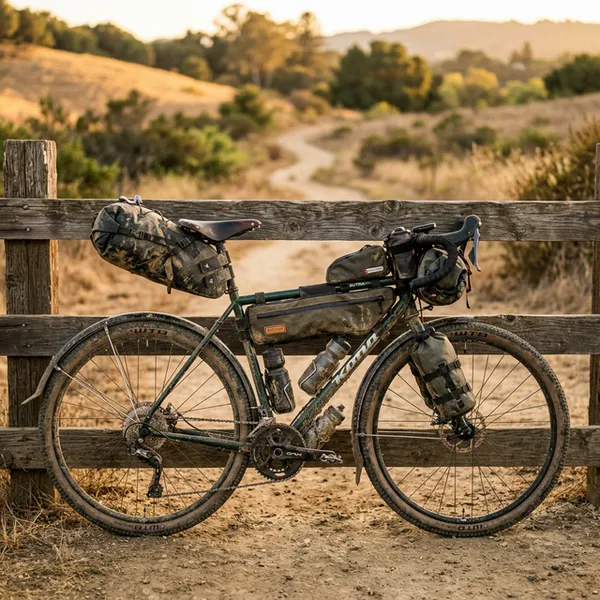
A swaying bikepacking saddle bag destroys your cornering and wastes energy. Learn how to pack your tail bag properly to completely kill the pendulum effect.
Mark is accustomed to carrying his body weight in water across the Southwest. Meticulous about load distribution, if a piece of gear rattles or rubs, Mark will find a way to fix it with a Voile strap and some duct tape.