
Guides
10 Best Kindle Books for Bikepackers (Weightless Adventure Reading)
Save weight and space on your next tour with our favorite Kindle reads for bikepackers, from technical maintenance guides to global adventure memoirs.
There is a specific, sickening feeling you get when you pull your frame bag off after a dusty weekend only to realize your expensive matte paint job has been replaced by raw aluminum or exposed carbon. I learned this the hard way on a descent near Buena Vista. A slightly loose strap and a fine layer of trail grit acted like 80-grit sandpaper, chewing through the clear coat in a single afternoon.
Most riders think the bag is the problem. It isn't. The movement is the problem. If a bag can shimmy even a millimeter, it is actively destroying the finish of your bike. If you are riding in the mud, that destruction happens at double speed.
You don't need a custom $200 bag to fix this, but you do need a pro-active protection strategy. Here is how you kill the "sandpaper effect" permanently.
You cannot rely on the soft backing of the bag straps to protect your paint. Even "soft-touch" velcro will trap grit and grind it into the tube. You need a physical sacrificial barrier between the frame and the strap.
Standard "helicopter tape" (thick Polyurethane tape) is the industry standard for a reason. It is transparent, incredibly tough, and takes the abuse so your frame doesn't have to. I wrap every high-friction area—the headtube, the top tube where the harness hits, and the seat tube—before the bag even touches the bike.
If you are on a budget or don't care about aesthetics, heavy-duty electrical tape or even gorilla tape works in a pinch, though they leave a nasty residue. The goal is simple: let the tape get destroyed, not the bike. If you see the tape starting to cloud or peel, replace it before the next ride.
Build a high-performance bikepacking setup without the high price. We review the 10 best budget-friendly gear essentials from Amazon for gravel adventures.
A frame bag that sways or bulges is a bag that rubs. Most people pack their frame bags too "round," which causes the sides to push outward into your knees and the straps to pull unevenly on the tubing.
We destroyed 7 bikepacking seatpacks on 500km of washboard gravel. Discover the waterproof large saddle bags that actually maintain stability under load.
I've seen hundreds of velcro straps fail because they got gummed up with Colorado silt. Once the velcro loses its "bite," the bag begins to sag, and the rub begins.
If your bag uses cheap velcro, replace the structural straps with Voile straps or heavy-duty TPU gear ties. They provide a mechanical lock that simply cannot slip, regardless of how much mud you throw at them. A $10 TPU strap is much cheaper than a $300 carbon repair job.
If you’ve already got rub marks, don't panic. Clean the area, apply a protective patch, and adjust your mounting. The trail scars are part of the story, but let's try not to make them deeper than they need to be.
Save weight and space on your next tour with our favorite Kindle reads for bikepackers, from technical maintenance guides to global adventure memoirs.
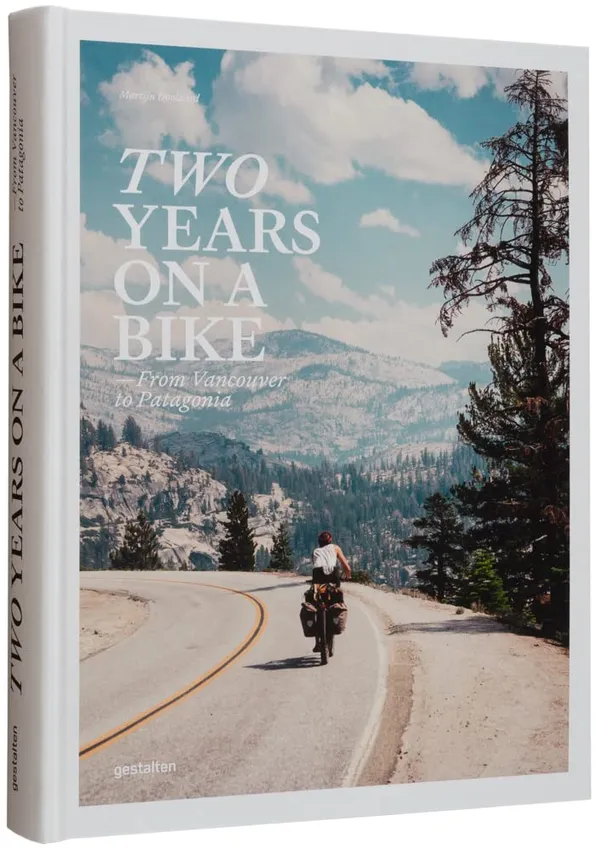
From practical guides like Bikepacking Illustrated to global epics like Two Years on a Bike, we review 13 essential books for every adventure cyclist's library.
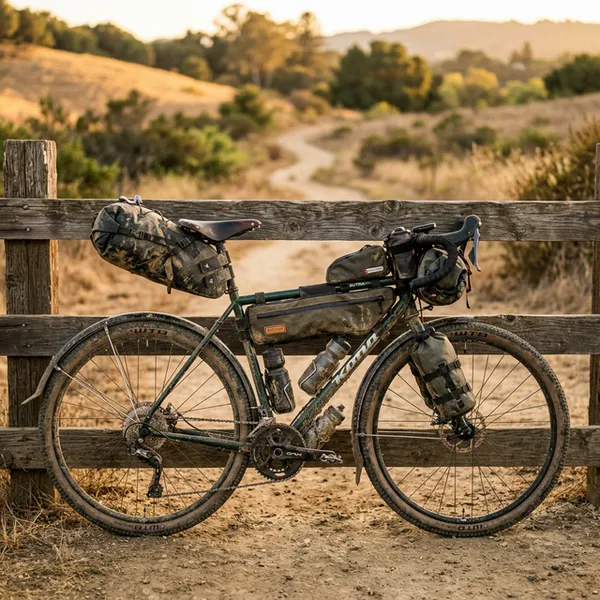
A swaying bikepacking saddle bag destroys your cornering and wastes energy. Learn how to pack your tail bag properly to completely kill the pendulum effect.
Based in Colorado, Ryan is the guy who spends his Friday nights plotting questionable out-and-back routes. He focuses on practical, budget-conscious setups that work. He's learned the hard way that you don't need a $500 tent to sleep well in the woods.